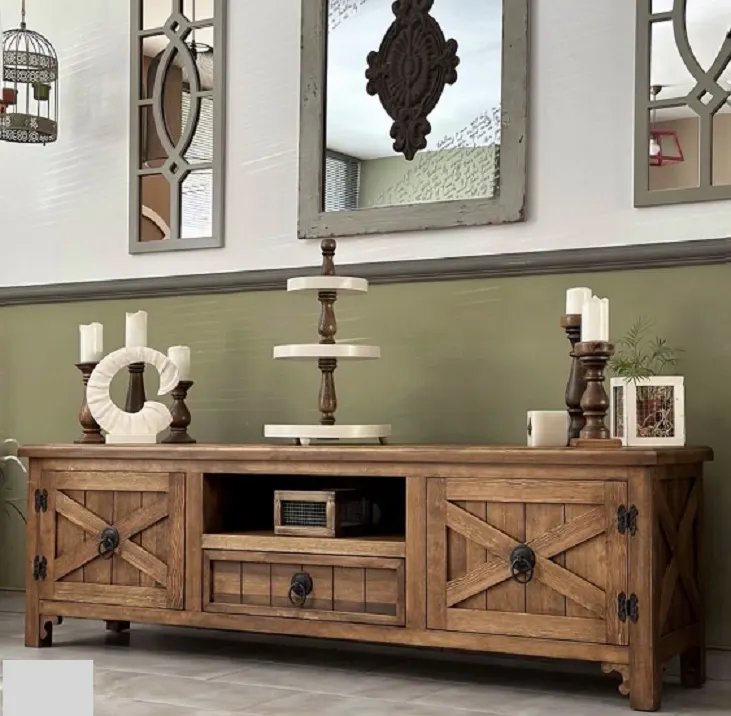
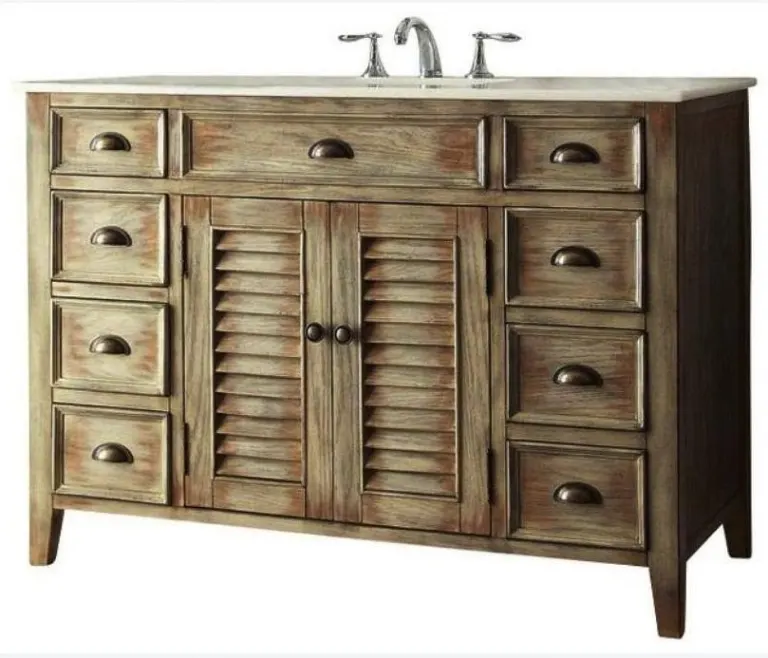
Historic Restoration and Adaptive Reuse of Antique Timber Sideboards into Solid Wood Bathroom Vanity Models: Heritage Joinery, Plumbing Retrofitting, and Period Waterproofing
Converting century-old timber sideboards, apothecary chests, and architectural salvage pieces into functional wet-zone washstands blends irreplaceable historical patina with contemporary residential utility. Historic restoration and adaptive reuse of antique timber sideboards into solid wood bathroom vanity models enables architects, heritage homeowners, and boutique hospitality designers—from Bosphorus yalı residences in Istanbul to European townhouses and historic estates—to preserve old-growth craftsmanship while introducing modern sanitary engineering. However, antique dining buffets and dressers were built with water-soluble hide glues, shellac or wax finishes, and full-depth wooden drawers never intended to house pressurized water valves, P-traps, or humid bathroom microclimates.

This comprehensive conservation and wet-zone engineering guide examines historic restoration and adaptive reuse of antique timber sideboards into solid wood bathroom vanity models, detailing non-destructive structural diagnostics, hide-glue reinforcement, precision drawer-to-basin retrofitting, breathable historical vs. catalyzed wet-zone coatings, and reversible plumbing isolation.
1. Structural & Conservation Assessment: Selecting Suitable Antique Timber Pieces
Not every vintage sideboard survives conversion into a bathroom vanity without losing structural integrity or museum-grade collector value. Before modifying an antique piece for historic restoration and adaptive reuse of antique timber sideboards into solid wood bathroom vanity models, evaluate four physical criteria:
1. Ergonomic Height Compatibility (72–86 cm Target Window):
• Low Buffets & Credenzas (70–76 cm tall): Ideal candidates for countertop vessel basins (standing 12–16 cm high), bringing the final hand-washing rim to an ergonomic 85 to 90 centimeters without altering original leg heights.
• Tall Washstands & Dressers (82–88 cm tall): Best suited for undermount or drop-in ceramic basins set beneath a protective honed stone slab, keeping rim elevation comfortable without straining wrists.
2. Old-Growth Hardwood Species Verification: Prioritize dense, closed-grain antiques crafted from old-growth European or American white oak, Circassian/Turkish walnut, Anatolian chestnut, mahogany, or Burmese teak. Avoid soft pine chests with wide, unbraced tops unless reinforced underneath with concealed steel angle stretchers.
3. Veneer Thickness vs. Solid Plank Construction: Nineteenth-century and early twentieth-century furniture often features thick 2mm–4mm saw-cut veneers over solid secondary wood cores—which can be safely hand-scraped and refinished. Conversely, mid-20th-century pieces with paper-thin rotary-peeled veneers over failing particleboard delaminate rapidly in bathroom steam and should be rejected.
4. Active Wood-Boring Insect & Rot Inspection: Inspect lower leg bottoms and rear panels for fresh powderpost beetle frass (fine wood dust). If uncertain, subject the piece to non-chemical thermal kiln sterilization (56°C core temperature for 4 hours) or anoxic nitrogen chamber treatment prior to workshop retrofitting.
2. Reversible Joinery Reinforcement and Hide-Glue Stabilization
Antique cabinets built prior to 1940 were assembled using hot animal hide glue—an adhesive that softens and releases when exposed to warm, humid bathroom steam. Executing historic restoration and adaptive reuse of antique timber sideboards into solid wood bathroom vanity models requires stabilizing vulnerable wet-zone joints while respecting heritage craftsmanship:
Structural Component Traditional Antique Construction Wet-Zone Adaptive Engineering Upgrade Preservation Principle
Carcass Mortise & Tenon Joints Water-soluble animal hide glue Inject ANSI Type-I waterproof PVA or structural marine epoxy into loose joints Maintains original mortise geometry without invasive metal brackets
Top Panel Support Thin dust-boards or open top rails Add concealed 20mm kiln-dried oak sub-frame with slotted Z-clips Supports heavy stone slabs & basins without stressing antique apron
Lower Leg End-Grain Raw, unsealed timber resting on wood floors Encapsulate bottom end-grain in two-part marine epoxy + 3mm HDPE glides Prevents wet bathroom tile grout from wicking into aged legs
Back Panel Thin tongue-and-groove pine boards Seal both faces in 2K matte polyurethane; leave 15mm wall ventilation gap Blocks cold-wall condensation while preserving original back boards
3. Precision Drawer Retrofitting for P-Traps and Supply Valves
The defining technical challenge of historic restoration and adaptive reuse of antique timber sideboards into solid wood bathroom vanity models is routing waste drains and hot/cold angle stops through an existing bank of solid wood drawers without ruining the exterior facade.
1. U-Shaped Dovetail Drawer Notch Architecture: Instead of discarding the top drawer and gluing its front permanently shut as a "false front," master cabinetmakers cut a clean U-shaped plumbing bay out of the center of the wooden drawer box, boxing in the cutout perimeter with matching kiln-dried hardwood walls sealed in catalyzed polyurethane. This preserves functional left and right storage pockets on either side of the P-trap.
2. Low-Profile Rear-Offset Telescopic P-Traps: Installing a horizontal offset trap pushes the drain assembly immediately backward against the rear wall, minimizing the required U-cutout depth to just 12–15 centimeters.
3. Upgrading Wooden Runners to Concealed Undermount Slides: Old side-hung wooden drawer runners swell and bind in humid bathrooms. Retrofitting original antique dovetail drawer boxes onto concealed soft-close undermount runners (Blum Tandem) hidden beneath the drawer bottom eliminates sticking drawers while keeping modern hardware completely invisible when closed.
4. Waterproofing Antique Patinas: Preserving Age Without Plastic Gloss
Stripping an antique sideboard down to bare white wood destroys decades of rich oxidation and hand-rubbed patina. In historic restoration and adaptive reuse of antique timber sideboards into solid wood bathroom vanity models, finishers clean and lock in existing character rather than erasing it:
• Dewaxing and Gentle Solvent Cleaning: Remove accumulated furniture wax, oil polish, and grime using mineral spirits and 0000 bronze wool (never steel wool, which leaves microscopic iron filaments that react with oak/chestnut tannins to create black water stains).
• Dewaxed Shellac Barrier Coat (Tie-Coat): Apply two thin coats of 100% dewaxed blonde or garnet shellac over the cleaned antique finish. Dewaxed shellac adheres tenaciously over aged oil patinas while isolating contaminants so modern catalyzed topcoats bond without fisheyes or peeling.
• Dead-Matte Two-Component (2K) Aliphatic Polyurethane Topcoat: Spray three coats of 3%-to-5%-sheen dead-matte 2K aliphatic polyurethane across all six faces of the cabinet—including drawer interiors, underside, and sink cutouts. This creates a waterproof, chemical-proof shield against toothpaste, soap, and steam while maintaining the soft, velvety luster of hand-rubbed antique wax.
5. Countertop and Basin Integration for Heritage Sideboards
Protecting the top horizontal surface of an antique sideboard from standing water ensures multi-decade longevity:
• Honed Stone Over-Top (Maximum Protection): Laying a 20mm to 30mm honed Carrara marble, Afyon White, or soapstone slab over the antique sideboard—anchored via slotted steel clips—protects the original wooden top from water splashes while providing a durable deck for an undermount porcelain sink.
• Exposed Antique Wood Top + Vessel Basin: When showcasing the original aged wood top is essential, encapsulate the wood surface in three coats of catalyzed 2K polyurethane, seal the drain bore with two-part marine epoxy, and mount a hand-hammered copper, brushed bronze, or carved stone vessel sink paired with a wall-mounted spout so no wet faucet base rests on the antique timber.