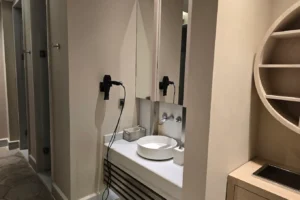
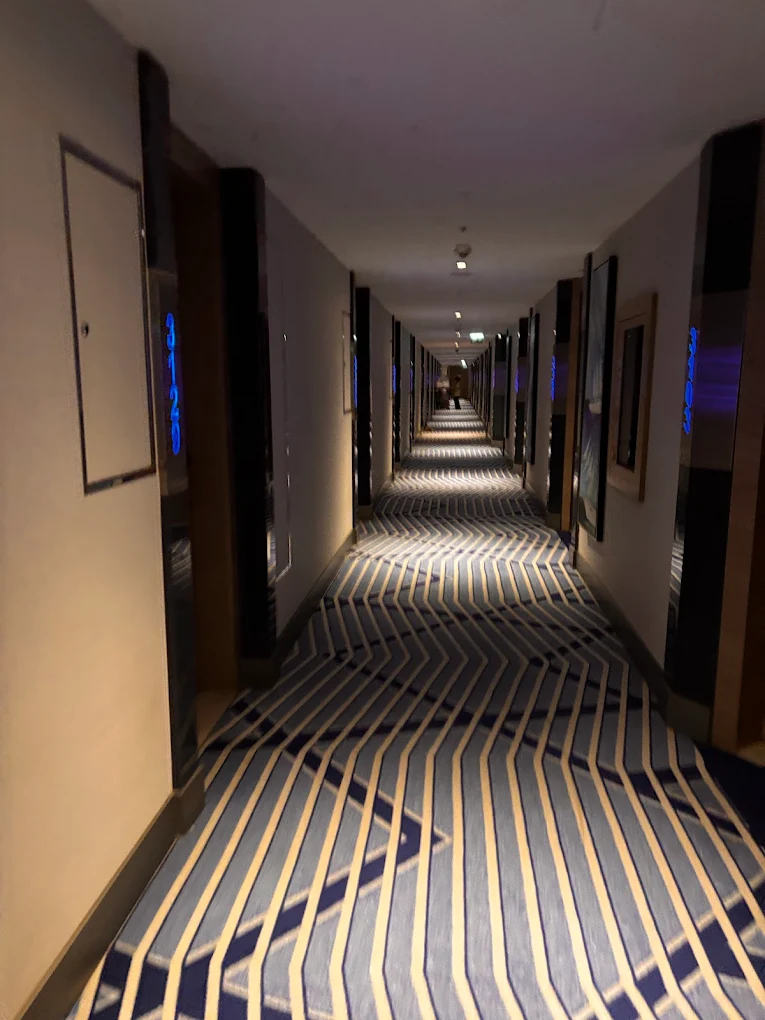
Rustic Hotel Furniture Turkey
The contemporary global hospitality sector is witnessing a profound paradigm shift toward experiential luxury, authentic design narratives, and eco-conscious architectural statements. Within this international matrix, hotel owners, boutique resort developers, procurement directors, and interior architects face the complex task of sourcing furniture that projects raw, organic warmth while simultaneously meeting rigorous commercial durability and strict safety regulations. To balance these competing goals without succumbing to fragile residential construction or unstable raw material selections, global industry professionals increasingly anchor their FF&E (Furniture, Fixtures, and Equipment) procurement strategies within a premier manufacturing destination: Rustic Hotel Furniture Turkey.
Sourcing Rustic Hotel Furniture Turkey grants international buyers direct access to immense automated wood-stabilization plants, ancestral timber artisanship, advanced wood preservation sciences, and comprehensive value engineering frameworks. This exhaustive technical guide provides a deep, structurally comprehensive analysis of the engineering, materials science, regional industrial clusters, international compliance parameters, and project management methodologies that define the production of Rustic Hotel Furniture Turkey.
Rustic Hotel Furniture Turkey
1. The Architectural Philosophy and DNA of Turkish Rustic Hospitality Furniture
A common misconception within interior procurement is that rustic furniture is simple, unengineered, and rough-hewn. In a luxury resort or high-traffic mountain lodge, true rustic aesthetics must be carefully simulated and stabilized using highly sophisticated engineering methods. If raw, unseasoned solid wood timber is placed into a commercial guestroom, it will warp, split, crack, and pull apart at the joints within weeks due to the aggressive humidity and temperature fluctuations caused by hotel energy-management systems turning HVAC units on and off between guest stays. The global ascendancy of Rustic Hotel Furniture Turkey stems from its unique capability to deliver highly authentic, heavily textured, and organic wood designs built upon a foundation of absolute structural stability.
                  ┌─────────────────────────────────┐
                  │  Turkish Rustic Manufacturing   │
                  └────────────────┬────────────────┘
                                   │
         ┌─────────────────────────┼─────────────────────────┐
         ▼                         ▼                         ▼
┌─────────────────┐       ┌─────────────────┐       ┌─────────────────┐
│ Advanced Thermal│       │ Massive Timber  │       │ Global Freight  │
│ Kiln Curing     │       │ Reclaimed Supply│       │ Integration     │
├─────────────────┤       ├─────────────────┤       ├─────────────────┤
│ Computerized    │       │ Deep access to  │       │ Rapid overland  │
│ moisture vacuum │       │ historic barns, │       │ mega-trailers   │
│ chamber curing  │       │ Anatolian oaks, │       │ straight to site│
│ loops (<8% MC). │       │ and olive roots.│       │ across Europe.  │
└─────────────────┘       └─────────────────┘       └─────────────────┘
Complete Material Independence and Sustainable Wood Sources
A primary structural advantage supporting the global market for Rustic Hotel Furniture Turkey is the country’s extensive forestry resources and fully localized industrial supply chain. Turkey sits as a top-tier producer of dense Anatolian Oak, Siberian Larch, Black Sea Walnut, European Ash, and specialized Mediterranean Olive wood.
Furthermore, Turkish manufacturers maintain deep pipelines for authentic reclaimed wood timber—sourcing aged beams, weathered siding, and vintage structural pillars from historic Anatolian villages, old granaries, and decommissioned maritime docks. Because Turkish factories process raw timber directly from localized domestic streams rather than assembling sub-components imported across volatile oceanic shipping lanes, they offer international hotel operators exceptional immunity to global supply shocks, absolute quality tracing from forest to finished assembly, and fixed pricing stability across long-term procurement contracts.
Advanced Industrial Scale Combined with Craft Flexibility
Unlike manufacturing ecosystems that operate exclusively in rigid, high-volume panel processing or slow, non-scalable artisan shops, the infrastructure behind Rustic Hotel Furniture Turkey is built for “mass customization.”
The leading factories run advanced hybrid layouts: heavy automated lines featuring multi-axis CNC routers, automated timber profiling mills, and computerized vacuum kiln chambers run in direct parallel with custom woodworking, manual hand-distressing, and specialized wood-carving ateliers. This enables a single manufacturing campus to simultaneously process a multi-hundred-unit rustic wardrobe run requiring strict dimensional consistency, while hand-sculpting live-edge communal dining tables, aging timber headboards, and texturing massive fireplace mantels for a premium mountain lodge package.
2. Structural Engineering and Mechanical Standards for Rustic Spaces
Residential rustic items often feature weak joints, structural knots positioned in high-stress zones, and unpredictable grain directions that compromise safety. Commercial hotel furniture must withstand continuous, high-impact usage by a transient global clientele of vastly different weights, sizes, and handling behaviors.
When international procurement teams audit suppliers of Rustic Hotel Furniture Turkey, they mandate verifiable laboratory test reporting demonstrating full compliance with rigorous international safety and durability codes.
               COMMERCIAL RUSTIC SEATING FATIGUE & CRUSH TESTING
──────────────────────────────────────────────────────────────────────────
[ Interlocking Mortise Joint ] ──► 5-Axis CNC machined fit with PUR bonding adhesive
[ Seat Core Static Load ]      ──► 2,000 Newtons pressed into solid wood base rail
[ Horizontal Leg Twist Test ]  ──► Outward shearing force applied to base stretchers
──────────────────────────────────────────────────────────────────────────
                Status: Certified under EN 16139 (Test Level 2)
Seating Longevity: EN 16139 and ANSI/BIFMA X5.1
Every rustic dining chair, lounge chair, barstool, and bench engineered within the Rustic Hotel Furniture Turkey framework undergoes rigorous mechanical stress simulations that replicate up to a decade of continuous commercial use.
- European Norms (EN 16139): This standard classifies seating into Test Level 1 (General commercial use) and Test Level 2 (Severe contract use in high-traffic spaces like busy hotel restaurants, rustic open-plan alpine chalets, eco-resort lobby spaces, and high-frequency event halls). Under Test Level 2, a chair frame must withstand a structural static downward load of 2,000 Newtons (approx. 204 kg) applied directly into the center of the seat pan, alongside more than 100,000 cycles of continuous fatigue force slammed into the backrest frame at severe backward angles.
- North American Standards (ANSI/BIFMA X5.1): For operators adhering to American contract parameters, Turkish factories test rustic seating mechanisms for leg strength under sudden outward shearing forces, front and rear stability limits, and high-velocity drop impacts with heavy ballast weights, ensuring the joinery will not fracture under sudden impact.
Table Rigidity and Over-Tip Prevention: EN 1730 and BIFMA X5.5
Rustic hotel environments frequently feature heavy solid timber or live-edge tables. These models face intense tipping stresses when guests lean heavily on the outer edges or children pull on the perimeters. Tables are validated under EN 1730 (Test methods for determining strength, durability, and stability of tables):
- Horizontal Deflection Testing: Tables are subjected to progressive horizontal force loads to calculate frame deflection. A high-quality Turkish rustic table base is engineered to limit top deflection to near-zero margins, keeping heavy ironware from sliding or liquids from spilling when a guest bumps the frame.
- Tipping Risk Evaluation: Engineers calculate the precise weight distribution between the heavy tabletop surface and the floor base plate. Pedestal table designs utilize precision-milled, heavy-gauge cast iron or laser-cut steel ballast frames concealed inside the wood column base to ensure that even if a heavy vertical load is placed on the outermost edge of a live-edge cantilevered top, the table remains safely anchored.
Heavy-Duty Commercial Joinery Protocols for Aged Timbers
To prevent joints from loosening over years of rough daily movement, producers of Rustic Hotel Furniture Turkey avoid generic residential pocket-screws or weak dowels. They construct primary joint structures using advanced engineering layouts:
- Five-Axis CNC Mortise-and-Tenon Connections: Main chair structural rails and table leg boxes are milled out of solid hardwood blocks using high-precision computer-guided routers to form interlocking mortise-and-tenon connections. These joints are pressure-infused with cross-linking polyurethane or polyvinyl acetate (PVA) industrial adhesives, creating a joint that resists deep physical shearing forces.
- Drawboring Traditional Joinery: For ultra-authentic rustic applications, Turkish craftsmen combine modern computer milling with historical drawboring techniques. High-density wood pins are driven through offset holes drilled into the tenon, pulling the joint permanently tight through mechanical tension. This prevents the natural expansion and contraction of timber from loosening the structural joints, allowing the furniture to stay perfectly rigid over decades of heavy service.
3. Materials Science: Stabilization, Curing, and Live-Edge Engineering
The selection of materials for Rustic Hotel Furniture Turkey represents a careful balance between preserving raw organic texturing and implementing strict material stabilization sciences. Working with large, heavy timber sections requires meticulous moisture control and chemical modification to eliminate wood cell collapse and core movement.
The Thermal Kiln Stabilization Process
The single most critical step in producing commercial-grade rustic furniture is timber drying. Freshly cut lumber contains up to 50% water weight within its cell cavities. If built directly into furniture, this wood will shrink, crack, twist, and rot.
- Computerized Vacuum Kiln Curing: Factories producing Rustic Hotel Furniture Turkey route all incoming raw lumber through state-of-the-art computerized kiln chambers. Over multiple weeks, the wood is subjected to precise thermal and vacuum pressure profiles that slowly draw out moisture without causing internal cell collapse or checking cracks.
- Target Moisture Content: For international hotel exports, Turkish manufacturers stabilize all timber down to a strict equilibrium moisture content (EMC) of 6% to 8%. This target ensures that when the furniture arrives in dry, climate-controlled environments like winter-heated ski resorts or desert wellness retreats, the wood remains dimensionally stable and free of structural warping.
       RAW TIMBER (50% Water)
──────────────────────────────────────────────────────────────────────────
[ Step 1: Pre-Air Seasoning ]    ──► Natural outdoor stabilization for 6–12 months
[ Step 2: Vacuum Kiln Chamber ]  ──► Controlled thermal moisture evacuation loops
[ Step 3: De-stressing Cycle ]   ──► Slow cooling to eliminate internal cell tension
──────────────────────────────────────────────────────────────────────────
       FINISHED TIMBER CORE (6%–8% Moisture Content)
Live-Edge Slab Stabilization Techniques
Live-edge tables—where the natural, organic outer perimeter curve of the tree trunk is preserved—are highly sought after for hotel lobby common areas and premium restaurant communal tables. Sourcing Rustic Hotel Furniture Turkey ensures that these massive wood slabs are structurally stabilized using advanced engineering features:
- Concealed Steel C-Channel Reinforcements: On the underside of the live-edge slab, Turkish engineers mill deep cross-grain slots using CNC routing machinery. Heavy-gauge structural steel C-channels are bolted into these slots using oversized oblong bolt tracks. This structural arrangement provides massive anti-bowing resistance while allowing the wood cells to expand and contract subtly across the grain during seasonal climate shifts without cracking.
- Dutchman Joint (Butterfly Key) Inlays: Where natural checks or superficial cracks add character to the rustic wood slab, craftsmen machine hand-fit butterfly or Dutchman wooden keys deep into the face. These geometric inlays mechanically lock the two sides of the crack together, halting further crack propagation while highlighting a beautiful artisan detail.
4. Textile Science, Eco-Leather, and Performance Upholstery
The textile and soft-good components utilized across Rustic Hotel Furniture Turkey contract packages are engineered to complement raw timber aesthetics while surviving extreme, continuous staining and abrasion environments. Bursa and Denizli, the historic capitals of the global weaving and cotton trade routes, host some of the most technologically advanced commercial yarn mills operating internationally today.
       [ Hydrophobic Core Shield ] ──► Halts water, organic juices, and hot coffee at surface
       [ Oleophobic Protection ]    ──► Repels bodily oils, salad fats, and greasy sauces
       [ Flame-Retardant Barrier ]  ──► Woven-in chemical barrier limits smoke propagation
High-Frequency Abrasion Performance (The Martindale Rub Index)
For standard residential seating, a fabric that withstands 15,000 rubs is acceptable. For a hotel restaurant or lobby lounge that cycles hundreds of guests per seat daily, such materials would wear thin, pill, and split within months. Turkish rustic performance fabrics and commercial-grade leathers are engineered to meet outstanding contract benchmarks:
- Severe Contract Specification: Dining chair fabrics are engineered to survive between 50,000 and 100,000 continuous rubs under the standardized Martindale Abrasion Method. This automated testing procedure uses a mechanical rubbing head to drive an abrasive wool fabric against the target textile under high pressure until structural yarn failure occurs.
- Premium Full-Grain Contract Leathers: For high-end rustic luxury, manufacturers source heavy bovine hides from local tanneries. These leathers are aniline-dyed and treated with protective oil-wax matrices that develop a beautiful antique patina over time while resisting deep scratches, color fading, and body oil absorption.
Natural Textures Meet Nano-Technology
To match the organic look of Rustic Hotel Furniture Turkey, interior architects frequently specify coarse linen weaves, textured bouclés, distressed chenilles, or heavy wool plaids. Turkish textile engineers treat these natural-appearance fibers at the molecular yarn level with advanced nanotechnology coatings (such as Teflon or advanced local variants):
- Stain and Fluid Rejection: High-staining liquids—such as red wine, coffee, fruit juices, and animal fats—cannot sink into the inner fabric yarns. Instead, they bead up on the outermost layer, allowing waitstaff to quickly lift the spill away using a clean damp microfiber cloth without leaving permanent ghost stains.
- Antimicrobial Isolation: Fabrics are infused with silver-ion or advanced antimicrobial barriers that neutralize bacteria, prevent food-borne mold generation, and eliminate the sour odors that typically plague heavily used dining chairs, preserving a fresh environment.
5. Regulatory Compliance: Fire Retardancy and Sustainable Safety Systems
Opening an international hotel property requires providing certified validation that every furniture piece complies with local building safety, fire codes, and environmental laws. The Rustic Hotel Furniture Turkey manufacturing base has systematically aligned its chemical composition lines, padding materials, and wood sourcing with rigorous global certification protocols.
International Contract Fire Safety Matrix
Upholstered banquette seating and rustic dining chairs represent a high-risk zone for rapid flame spread and smoke inhalation during localized fire incidents. Turkish furniture suppliers specify and certify soft assemblies to comply with strict international regulatory codes:
| Fire Safety Code | Target Jurisdictions | Core Performance Metric | Testing Verification Overview |
|---|---|---|---|
| BS 5852 (Crib 5) | United Kingdom, Middle East, British Commonwealth | Evaluates flame spread and self-extinguishing times across public upholstered seating. | Utilizes a constructed wooden “crib” structure ignited directly inside the seat-to-back joinery intersection; mandates zero flaming after 10 minutes. |
| CAL Technical Bulletin 117 | North American Markets, International Hotel Chains | Tracks smolder resistance of soft foam fillings, elastic layers, and outer textile skins. | Subjects individual component assemblies to a controlled cigarette smolder test to calculate char length limits and prevent flashover. |
| EN 1021 (Parts 1 & 2) | European Union Member States, Global Cruises (IMO Codes) | Analyzes upholstery response to common localized ignition sources. | Exposes test dining chairs to a smoldering cigarette simulation and a direct match-flame gas burner to track initial flame speed. |
Environmentally Sustainable Wood Sourcing and Low-VOC Finishes
To help developers secure global green building certifications like LEED (Leadership in Energy and Environmental Design) or BREEAM, factories producing Rustic Hotel Furniture Turkey implement strict raw material sourcing controls:
- Traceable Timber Sourcing: Wood products are sourced from forests certified by the FSC (Forest Stewardship Council) or PEFC, ensuring sustainable logging loops, ecological preservation, and verifiable chain-of-custody tracking.
- Low-Formaldehyde and Zero-VOC Chemical Finishes: All composite wood sheets meet the strict European E1 or E0 emission safety laws. Furthermore, traditional solvent-based lacquers have been replaced with advanced waterborne acrylic and UV-cured polyurethane topcoats. These modern coatings emit negligible Volatile Organic Compounds (VOCs), eliminating toxic off-gassing and ensuring safe indoor air quality (IAQ) inside enclosed dining areas.
6. Industrial Clusters and Regional Specialization Matrix
The global competitiveness of the Turkish furniture industry is anchored within concentrated regional industrial hubs. The Rustic Hotel Furniture Turkey ecosystem is divided into three distinct geographic manufacturing zones, each operating with specific material focus areas, machinery infrastructures, and capital cost positions.
       ┌────────────────────────────────────────────────────────┐
       │   Turkish Rustic Furniture Manufacturing Clusters     │
       └───────────────────────────┬────────────────────────────┘
                                   │
         ┌─────────────────────────┼─────────────────────────┐
         ▼                         ▼                         ▼
┌─────────────────┐       ┌─────────────────┐       ┌─────────────────┐
│ Istanbul Hub    │       │ İnegöl (Bursa)  │       │ Kastamonu Hub   │
├─────────────────┤       ├─────────────────┤       ├─────────────────┤
│ • Bespoke luxury│       │ • High-volume   │       │ • Sprawling raw │
│   walk-in designs│      │   modular lines │       │   lumber supply │
│ • Mixed-material│       │ • Laser-edge PUR│       │   stabilization │
│   artisanship   │       │   panel lines   │       │ • Industrial kilns│
└─────────────────┘       └─────────────────┘       └─────────────────┘
1. The Istanbul Hub (Masko, Modoko, and Specialized Suburbs)
Istanbul serves as the creative design headquarters and advanced engineering heart of the Turkish hospitality furniture sector.
- Core Technical Competency: Istanbul factories excel at hyper-customization, mixed-material integration, and complex hand-detailing. These facilities work in close collaboration with international interior architects to build complex, one-of-a-kind rustic elements.
- Material Synergies: Istanbul is the definitive hub for fusing distinct materials—incorporating custom metal plating (liquid metals, raw structural steel, oil-rubbed bronze), hand-selected marble slabs, cast glass panels, and detailed marquetry veneers into singular architectural furniture assemblies.
- Target Market Segment: This cluster is optimized for luxury 5-star flagship lodge restaurants, premium specialty dining venues, high-end mountain resort lobbies, and custom boutique hotel bars.
2. The İnegöl (Bursa) Cluster: The Center of Advanced Panel and Upholstery Efficiency
İnegöl features an industrial concentration of highly automated furniture factories running state-of-the-art European production machinery.
- Core Technical Competency: This zone specializes in high-precision modular woodworking and automated upholstery line assembly. The plants utilize computerized automated fabric cutting tables, multi-axis CNC drilling centers, and advanced laser edge-banders that apply edge strips with zero visible glue lines.
- Target Market Segment: İnegöl is the primary sourcing hub for high-volume Rustic Hotel Furniture Turkey contracts targeting large 3-star and 4-star select-service hotel properties, sprawling all-inclusive wilderness holiday resorts, massive international airport bistros, and high-frequency hotel breakfast buffets requiring rapid turnaround times and aggressive price configurations.
3. The Kastamonu and Central Anatolian Hub: Sprawling Raw Timber Powerhouse
Located in the heavily forested northern and central regions of Turkey, this cluster sits directly at the resource source.
- Core Technical Competency: This region specializes in heavy timber harvesting, massive industrial kiln stabilization, structural beam squaring, and raw material processing. It handles the initial heavy processing of massive hardwood logs, live-edge slab slicing, and automated wood texturing.
- Target Market Segment: This hub is optimized for supplying large contract orders of solid structural timber bases, exterior rustic hotel park benches, massive raw wood cladding assemblies, and heavy-duty structural frames that prioritize raw material volume, high stability, and optimal cost positions.
7. Value Engineering (VE) and Technical Design Optimization
A primary advantage of partnering with experienced manufacturers of Rustic Hotel Furniture Turkey is their proactive focus on Value Engineering (VE). Turkish factory engineering teams analyze technical project shop drawings to optimize construction methods, improving durability while lowering capital expenditure (CapEx).
       CONCEPT DESIGN SPECIFICATION                 VALUE ENGINEERED UPGRADE
──────────────────────────────────────────────────────────────────────────
[Solid Unstabilized Wood Doors] ──► [VE Analysis] ──► [Engineered Core + 3mm Thick Veneer Skin]
• High risk of structural bowing                       • Zero risk of core movement/warping
• Inconsistent grain movement                          • Maintains perfect gap reveals
• Vulnerable to humidity splits                        • Lifetime dimensional stability
──────────────────────────────────────────────────────────────────────────
                               Result: Increased Durability & Lower Repair Costs
Implementing Engineered Core Stabilizations for Rustic Casework
A common failure point for cheaper rustic furniture is door and side panel bowing. If a wardrobe door or side panel is built out of thick, unstabilized solid wood planks screwed together edge-to-edge, the natural cross-grain expansion from seasonal humidity shifts will force the door to warp, preventing it from closing correctly and throwing hinge tracks out of alignment.
- The Technical Solution: Turkish value engineers eliminate this structural risk by using a three-layer engineered composite sandwich setup. The core of the panel is built out of cross-banded multi-layer marine plywood or high-density fiberboard. This ultra-stable core is then wrapped in thick (\(3\text{mm}\) to \(4\text{mm}\)) bands of authentic natural reclaimed wood veneer skin or wire-brushed solid oak face boards.
- The Performance Benefit: This technical approach delivers the heavy, deep texture and visual warmth of a solid wood timber block, while providing near-zero core movement. This step ensures the door faces remain flat, hinge rails operate smoothly, and reveals maintain a clean aesthetic over the life of the property.
Concealed Mechanical Wire Tracing within Rustic Headboards
Modern hospitality guestrooms require multiple power systems, low-voltage electronic chargers, and integrated light switches placed directly at the bedside. Fusing these modern conduits with a rugged, organic rustic headboard design requires smart technical coordination:
- Concealed CNC Cable Paths: Before a rustic timber slab or multi-plank headboard undergoes face texturing and finishing, automated CNC machinery cuts hidden wiring paths, terminal junctions, and access plate cutouts directly into the rear face of the wood boards.
- Integrated Smart Power Connections: This engineering step allows electrical wires to route cleanly out of view behind the rustic wood panels. This step ensures that reading lights, dual USB-A/USB-C chargers, and wireless Qi inductive charging coils remain hidden within the timber frame, maintaining a clean rustic feel while delivering modern power comfort.
8. Sourcing Protocols, Quality Gates, and Mock-up Verifications
Sourcing a complex commercial furniture contract across international borders requires a transparent, highly systematic procurement and production project management framework to ensure that Rustic Hotel Furniture Turkey shipments match institutional standards.
┌─────────────────┐       ┌─────────────────┐       ┌─────────────────┐
│  Phase 1: Shop  │──────►│ Phase 2: Mock-up│──────►│ Phase 3: Mass   │
│  Drawings & BOQ │       │  Room Approval  │       │ Production & QA │
└─────────────────┘       └─────────────────┘       └─────────────────┘
Phase 1: Technical Shop Drawing Production and Material Boards
The process begins with the factory’s technical drafting team converting the interior designer’s conceptual renderings into precise manufacturing shop drawings:
- Every metric clearance dimension, internal electrical terminal box layout, drawer runner alignment, and wire exit pathway is documented down to the millimeter.
- Simultaneously, the supplier builds a physical material submittal board featuring labeled samples of the exact wood veneer cuts, laminate swatches, stone pieces, hardware runs, and metal finishes for formal sign-off by the developer before launching any Rustic Hotel Furniture Turkey manufacturing sequences.
Phase 2: The Critical Mock-up Validation Gate
Before a factory releases mass production lines for hundreds of identical wardrobes and dining tables, manufacturing a physical mock-up room sample is a mandatory quality gate.
- The factory produces a single wardrobe internal system exactly matching the shop drawings.
- This sample is evaluated directly at the factory showroom or shipped to the hotel construction site.
- Stakeholders check the model to ensure it meets ergonomic targets, fits cleanly against the wall, matches adjacent cabinetry, and functions correctly with the room’s electronic access panels. Any required modifications are integrated into the master blueprints.
Phase 3: Mass Production and the Four Quality Assurance Gates
Once the mockup sample is formally signed off, mass production begins under a structured Quality Assurance (QA) regimen divided into four clear manufacturing gates:
[ Gate 1: Material Quality ] ──► Audits lumber moisture content (<8%) & timber thickness.
[ Gate 2: CNC Machining ]    ──► Verifies dimensional cutting tolerances down to ±0.5mm.
[ Gate 3: Pre-Assembly ]     ──► Inspects hardware mounting precision and joint glue lines.
[ Gate 4: Final QA Check ]   ──► Tests soft-close actions, power continuity, and leveling.
9. Export Logistics, Customs Protocols, and Packing Architecture
Successfully delivering Rustic Hotel Furniture Turkey shipments to international job sites requires deep expertise in cross-border trade documentation, container layout optimization, and advanced protective packing design.
Fast Transit Corridors to Global Hospitality Markets
- Direct Road Freight to Europe: For hotel projects across Europe, Scandinavia, or the UK, Turkey utilizes a highly efficient land transport infrastructure. Standard mega-trailers and box trucks transport rustic furniture packages directly from factory loading bays straight to the hotel site. This road-based system completely eliminates maritime container handling steps, bypasses oceanic storm delays, and delivers a highly predictable transit window of 5 to 9 days.
- Global Maritime Carrier Networks: Turkey features modern container sea ports, including Ambarlı (Istanbul), Gemlik (Bursa), and Mersin, which maintain high-frequency vessel looping schedules connecting directly to major global deepwater hubs.
The EU Customs Union Advantage
Because Turkey belongs to the European Union Customs Union, goods traveling between Turkish production facilities and EU member states move free of customs duties. Exporters issue an A.TR movement certificate, accelerating border customs clearances and protecting international developers from unexpected import fees or hidden tariffs on Rustic Hotel Furniture Turkey delivery packages.
Technical Packaging Engineering for Heavy Timber Freight
Because rustic furniture items are constructed from heavy timber structures, feature unique hand-textured faces, and integrate delicate leather or fabric components, they require substantial protection against moisture absorption and structural crushing during transit. Turkish exporters utilize a multi-layer packaging architecture:
┌────────────────────────────────────────────────────────┐
│        Multi-Layer Protective Packing Profile           │
├────────────────────────────────────────────────────────┤
│ Layer 1: Polyethylene Micro-Foam Wrap                  │
│   ↳ Blocks ambient humidity and prevents light scuffs. │
├────────────────────────────────────────────────────────┤
│ Layer 2: High-Density Edge Protectors                  │
│   ↳ Reinforces corners against crushing forces.       │
├────────────────────────────────────────────────────────┤
│ Layer 3: 5-Ply Heavy BC-Flute Corrugated Carton        │
│   ↳ Absorbs external structural impacts.               │
├────────────────────────────────────────────────────────┤
│ Layer 4: ISPM-15 Certified Heat-Treat Pallet/Crate     │
│   ↳ Prevents forklift damage & meets quarantine laws.  │
└────────────────────────────────────────────────────────┘
10. On-Site Installation and Long-Term Asset Management
The ultimate success of a hotel furniture investment depends heavily on the precision of the final installation phase. Imprecise leveling or incorrect wall anchoring on-site can lead to door misalignment, binding drawers, and premature structural failure. Sourcing premium Rustic Hotel Furniture Turkey packages typically includes detailed technical field installation support.
Professional Supervisor Field Deployment
Leading Turkish manufacturers deploy experienced field installation supervisors directly to international hotel job sites. These specialists coordinate closely with local construction crews, translate shop drawings, manage assembly tracking sequences, and interface with the principal fit-out contractor to ensure that heavy timber components and floating cabinetry line up flawlessly with wall-embedded architectural anchors.
Essential On-Site Installation Rules
- Site Climate Conditioning: Furniture must never be unboxed or installed in a cold, damp, unconditioned construction zone. The hotel’s permanent building HVAC systems must be active for at least 48 to 72 hours beforehand to stabilize ambient humidity levels between 40% and 60% and temperatures between 18°C and 24°C. This step prevents natural wood substrates from absorbing excess moisture and swelling.
- Precision Leveling Calibration: Floor levels in real-world construction sites are rarely perfectly flat. Installers must use precision laser levels to adjust each wardrobe’s heavy-duty concealed leveling glides. This step ensures that wardrobe frames stand completely plumb, adjacent seams align cleanly with headboard tracks, and drawers slide smoothly without gravity drifting open or closed.
[ Correct Base Alignment ]                 [ Incorrect Base Alignment (Table Wobble) ]
 ┌───────────────┐                          ┌───────────────┐
 │░░░░░░░░░░░░░░░│                          │░░░░░░░░░░░░░░░│
 │               │                          │ \             │
 │ Surface Sits  │                          │   \ Surface   │ ◄── Binds, Wobbles,
 │ Perfectly     │                          │     \ Rocks   │     & Spills Liquids!
 │ Level         │                          │       \       │
 └───────────────┘                          └───────────────┘
Preventative Asset Care for Hotel Facilities Teams
To maximize the operational lifespan of internal storage furniture assets, hotel engineering departments should follow a regular preventative maintenance routine across their Rustic Hotel Furniture Turkey installations:
- Structural Torque Verification: Every six months, inspect and tighten structural connection bolts on high-frequency items like luggage racks, heavy chairs, and desk bases to counteract structural vibration stresses and wood shifting.
- Hinge Calibration Audits: Periodically adjust hinge set-screws to compensate for subtle structural wall settling, keeping door reveals straight and preventing doors from scraping the base frames.
- Surface Finish Care Program: Clean premium timber and veneered tops using approved pH-neutral sanitizers, avoiding harsh abrasive chemical cleaners or high-chlorine agents that could slowly strip away protective UV lacquers or wax-oil coatings.
Conclusion: Sourcing Blueprint for Hospitality Procurement Directors
Sourcing via the specialized Rustic Hotel Furniture Turkey sector provides a highly compelling balance of upfront capital optimization, technical design freedom, and long-term operating durability. As you plan your project procurement strategy, keep these critical technical guidelines top of mind:
- Match Design Typologies to Regional Clusters: Direct high-volume, modular projects toward the highly automated factories of İnegöl or Kastamonu. Allocate intricate, custom luxury mixed-material briefs and premium live-edge slab pieces to the artisan production houses of Istanbul.
- Enforce Strict Commercial Certifications: Ensure your manufacturer provides documented test compliance evidence for structural stability standards (such as EN 16139 Test Level 2 for seating and EN 1730 for tables) alongside local fire safety protocols (like BS 5852 Crib 5 or CAL 117).
- Leverage Value Engineering Early: Engage your manufacturing partner’s engineering team during the shop drawing phase to optimize joint durability, select stable engineered substrates, and maximize flat-pack container optimization methods for your layout.
- Maintain Production Quality Gates: Never skip the physical mockup room review phase, and ensure every container shipment uses heavy, multi-layered export packing to guarantee your furniture arrives on-site in pristine, installation-ready condition.
By partnering with Turkey’s advanced contract hospitality furniture manufacturers, you can deliver highly functional, durable, and beautiful rustic environments that enhance guest comfort and protect your long-term project value.
To help narrow down the ideal Turkish manufacturing hubs or technical specifications for your hospitality rustic furniture project, please let me know:
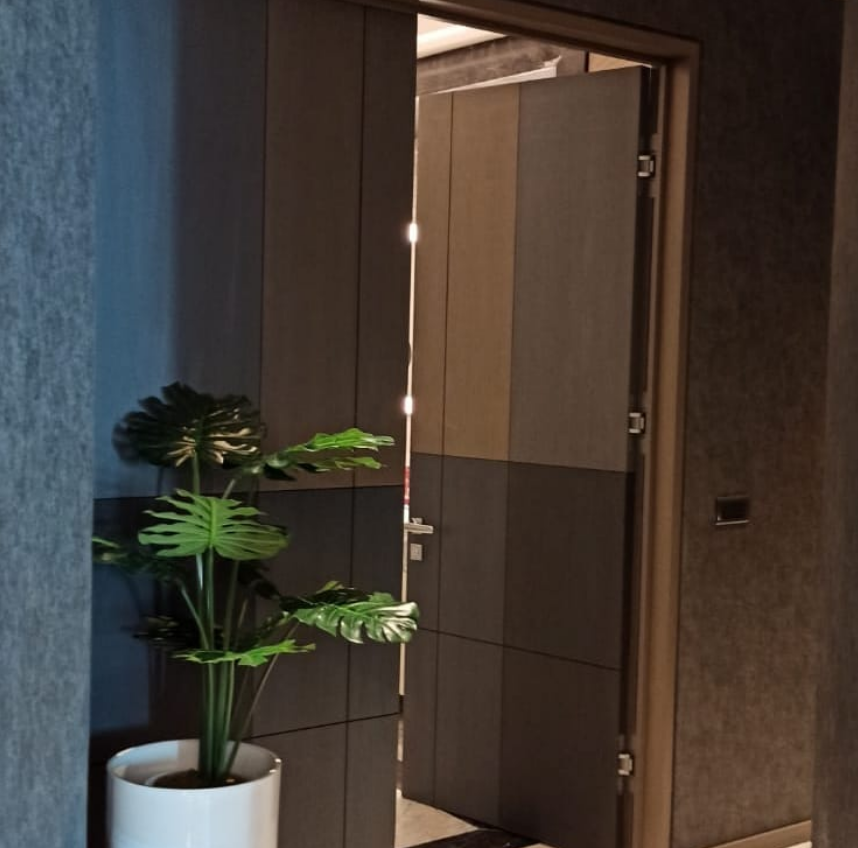
Butik Otel Mobilyaları
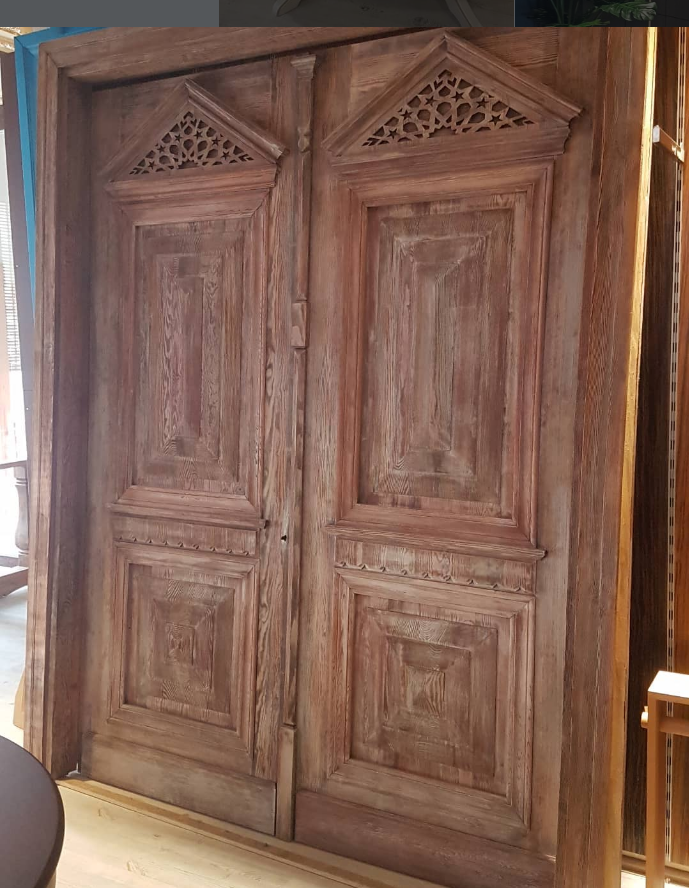
Butik Otel Mobilyaları
Butik Otel Mobilyaları


Butik Otel Mobilyaları

Şunları da sevebilirsiniz
Pozantı Otel Mobilyaları | Adana Otel Mobilya Üretimi
Saimbeyli Otel Mobilyaları | Adana Otel Mobilya Üretimi