Istanbul Hotel Furniture Turkey
Istanbul Hotel Furniture Turkey: The Definitive B2B Blueprint for Luxury Hospitality Sourcing and Interior Engineering
The execution of a luxury hospitality project requires an uncompromising convergence of architectural intent, strict structural engineering, and rigid supply chain management. Within a boutique hotel overlooking the Bosphorus, an expansive resort along the Mediterranean, or a high-yield select-service corporate tower in a European capital, furniture is not an optional aesthetic layout. It is a critical infrastructure asset designed to optimize Average Daily Rates (ADR), withstand the physical stress of rapid guest turnover, and meet strict global compliance metrics. For global hoteliers, contract procurement agents, and elite interior design firms, Istanbul Hotel Furniture Turkey represents the absolute pinnacle of strategic sourcing.
As an international manufacturing capital, Istanbul occupies a unique position. It operates as a geographical and industrial bridge, successfully synthesizing old-world artisanal woodworking traditions with German and Italian multi-axis CNC automation. Unlike regions optimized solely for low-cost, repetitive consumer products, the Istanbul hospitality sector excels at turn-key, high-complexity FF&E (Furniture, Fixtures, and Equipment) and bespoke architectural millwork fit-outs.
Navigating this procurement space successfully demands an in-depth understanding of material physics, surface polymer chemistry, mechanical joinery stress analysis, and international commercial law. This technically exhaustive guide serves as the definitive B2B procurement protocol for sourcing Istanbul Hotel Furniture Turkey, ensuring that your institutional hospitality development finishes on schedule, stays within budget, and achieves structural longevity.
1. The Macroeconomic and Structural Advantage of Sourcing Istanbul Hotel Furniture Turkey
The global procurement focus has shifted decisively toward localized, high-agility manufacturing centers. Sourcing Istanbul Hotel Furniture Turkey provides institutional developers with distinct structural and economic protections that outperform alternative manufacturing hubs.
Geopolitical Supply Chain Resiliency
In a volatile geopolitical landscape marked by severe maritime disruptions, rising container costs, and long canal delays, geographic proximity acts as a critical risk-mitigation strategy.
- EMEA Logistics Integration: Direct, climate-controlled TIR trucking fleets connect Istanbul’s primary industrial zones directly to mainland European construction sites within 4 to 8 days.
- Maritime and Air Hubs: For transatlantic or Middle Eastern projects, containers dispatched from mega-ports like the Port of Ambarlı reach the East Coast of the United States or the Persian Gulf within 12 to 18 days. Istanbul Airport serves as an air-freight epicenter for rapid parts and custom mock-up sample shipments.
- The Customs Union Advantage: Turkey’s long-standing Customs Union agreement with the European Union eliminates import tariffs on industrial manufactured goods, fundamentally lowering the total landed cost of large-scale commercial contracts.
Industrial Clustering and Ecosystem Density
The industrial strength of Istanbul Hotel Furniture Turkey relies on specialized geographical clusters. Within these dense manufacturing ecosystems, master woodworking shops operate alongside metal foundries, stone processing facilities, glass fabricators, and specialized finish laboratories. This structural proximity eliminates supply chain friction, allowing a single principal factory to manage highly complex, multi-material designs without outsourcing components to unvetted third parties.
[MASKO Mega-Cluster] <---> [MODOKO Custom Guilds] <---> [Hadımköy & Dudullu Industrial Zones]
                                        |
                 [Unified Multi-Material Luxury Casegoods Fabrication]
                                        |
                   [Global Hospitality Project Handover Excellence]
The MASKO Cluster
One of the world’s largest organized furniture manufacturing and design complexes. Located on Istanbul’s European side, MASKO houses massive technical design drafting centers and engineering firms specializing in large-scale turnkey guestroom casegoods, architectural wall cladding, and public area fit-outs.
The MODOKO Cluster
Situated on Istanbul’s Asian side, MODOKO functions as a historic hub for elite customization and custom woodworking guilds. This cluster is highly specialized in executing low-volume, maximum-complexity bespoke packages, making it a preferred partner for 5-star presidential suites, historical palace restorations, and luxury boutique properties.
The Hadımköy and Dudullu Industrial Zones
These sectors contain heavy, high-capacity industrial factories equipped with multi-million dollar automated processing machinery, robotic UV-curing spray lines, and massive dry-fitting floors capable of staging furniture for entire hotel wings simultaneously.
2. Material Science: Specifying High-Performance Substrates for Luxury Grades
A common point of failure in contract hospitality environments is specifying materials that cannot survive daily operational stress. Sourcing premium Istanbul Hotel Furniture Turkey requires an understanding of the internal core chemistry and structural substrates used underneath decorative faces.
The Core Stability Matrix
Wide, flat surface planes—such as oversized suite writing desks, headboard backings, main entrance doors, and wardrobe panels—cannot be cut from raw, solid wood planks. Solid wood naturally expands and contracts along its grain lines in response to shifting indoor relative humidity (RH) and ambient temperature. Left unmanaged, wide solid planks will warp, twist, or split along glue joints. Istanbul’s hospitality engineers resolve this challenge by building stable composite panels using high-performance substrates hidden beneath rare decorative veneers.
| Substrate Core Layer | Mechanical & Density Specifications | Optimized Hospitality Application |
|---|---|---|
| High-Density HDF | Density exceeding 820 kg/m³. High internal bond strength; isotropic structure prevents surface telegraphing. | Piano-finish drawer fronts, vanity door surrounds, minibar casings. |
| Multi-Layer Marine Plywood | Cross-laminated structural birch veneers bonded with waterproof phenolic WBP resins. High shear resistance. | Bathroom vanity under-structures, hidden luggage deck chassis, wall panel cleats. |
| Lumber-Core Blockboard | Solid timber core strips finger-jointed edge-to-edge between cross-banded wood veneer layers. High screw retention. | Full-height walk-in closet partitions, oversized acoustic entry doors. |
Rare Wood Veneer Selection and Flitch Matching Protocol
The visible surface of 5-star casegoods relies on premium natural wood veneers. Elite manufacturers of Istanbul Hotel Furniture Turkey source high-grade logs globally, slicing and curing them to a minimum raw thickness of 0.6 mm to 1.2 mm to ensure they can withstand deep wire-brushing and industrial sanding without burning through to the substrate.
- American Black Walnut (Juglans nigra): A foundational wood for luxury interiors, displaying deep espresso undertones, charcoal grain lines, and elegant cathedral patterns. It offers high natural dimensional stability and is highly responsive to natural open-pore matte finishes.
- Olive Ash Burl (Fraxinus excelsior): Highly decorative, chaotic burl structures utilized for statement feature panels, credenza door faces, and desk border inlays.
- Macassar Ebony (Diospyros celebica): An ultra-dense exotic wood displaying dramatic, alternating bands of deep jet-black and warm caramel-brown. Favored for modern contemporary luxury suites, often finished with high-gloss polyester coatings.
Architectural Veneer Flitch Matching Configurations
Procurement specifications must explicitly define the veneer matching layout to guarantee design consistency across the factory floor:
- Book Matching: Consecutive veneer flitches are flipped like pages in a book, creating a perfectly symmetrical, mirrored grain pattern along the furniture faces.
- Slip Matching: Veneer sheets are laid out consecutively without flipping, producing a clean, repeating linear grain movement preferred for contemporary, clean-lined aesthetics.
- Radial / Sunburst Matching: Triangular veneer segments are sliced and joined at a central axis point, forming a dramatic sunburst pattern commonly used on large circular dining tables or statement conference desks within presidential suites.
3. Structural Joinery and Functional Hardware Engineering
The internal joinery of an asset determines its operational lifespan. Five-star hotel furniture is routinely subjected to severe physical stress—such as guests sitting heavily on desk surfaces, slamming oversized wardrobe doors, or loading delicate console tables with heavy luggage. Providers of Istanbul Hotel Furniture Turkey protect their clients’ investments by engineering casegoods around robust commercial joinery standards.
[Bespoke Veneer Face] ---> Hot-Vacuum Bonded to Isotropic HDF Core
                                      |
[Internal Chassis Joinery] ---> Blind Threaded Steel Inserts + M6 Machine Bolts
                                      |
[Functional Hardware Core] ---> Blum / Samet Concealed Soft-Close Movement Arrays
Essential Commercial Joinery Methodologies
- Precision Mortise and Tenon: The benchmark for solid timber seating and structural frames. Tenons are machined to exact friction-fit tolerances and injected with high-strength polyurethane adhesives, providing maximum resistance to multi-directional dynamic twisting forces.
- Blind Threaded Steel Inserts: To ensure structural longevity and facilitate safe international shipping, Istanbul engineers embed threaded steel or brass blind inserts into wood cores rather than driving standard wood screws directly into raw lumber. Structural legs and heavy support rails are locked down with metric M6 or M8 machine bolts, creating a steel-to-steel connection that can be tightened indefinitely during routine property maintenance without stripping the wood fibers.
- English Dovetail Drawer Boxes: Drawer boxes within luxury walk-in closets and nightstands are constructed using solid oak or beech planks joined via interlocking English dovetails at all four corners. This interlocking structure prevents drawer fronts from separating from the main box under rapid pull forces.
- Solid Wood Edge Banding: On veneered tables and desk surfaces, premium manufacturers apply a solid wood edge band (3 mm to 5 mm thick) before the face veneer is pressed. This hidden solid edge protects the vulnerable perimeter from being chipped or crushed when housekeeping carts or heavy luggage impact the furniture.
Premium Institutional Functional Hardware Integration
Elite operators in the Istanbul Hotel Furniture Turkey sector utilize exclusively world-renowned, cycle-tested functional hardware components from globally recognized brands such as Samet (Turkey), Blum (Austria), and Häfele (Germany).
- Soft-Closing Institutional Hinges: Wardrobe and minibar doors are fitted with concealed, all-metal hinges tested to survive a minimum of 100,000 open/close cycles. Integrated hydraulic dampening elements are mandatory to eliminate the corridor noise caused by guests slamming doors.
- Under-Mount Full-Extension Drawer Slides: Drawer systems must utilize heavy-duty, synchronized under-mount slides with load ratings of at least 40 kg to 60 kg per drawer. This prevents drawer sag and track derailment when guests inevitably use open drawers as stepping mechanisms or overload them with heavy items.
4. Multi-Material Synthesis: Metallurgy, Stonework, and Custom Leathers
A defining characteristic of Istanbul Hotel Furniture Turkey is the ability of factories to seamlessly fuse diverse, high-contrast materials into unified furniture designs within a single manufacturing facility. This vertical integration eliminates the risk of dimensional errors that commonly occur when components are outsourced to multiple uncoordinated sub-contractors.
Architectural Metal Work and Plating Chemistry
Modern luxury designs frequently feature metal accents embedded into timber casings. Istanbul factories utilize dedicated metal fabrication sectors capable of processing structural steel, stainless steel, and solid brass.
- PVD (Physical Vapor Deposition) Plating: Rather than relying on cheap metallic paints or standard electroplating, premium components are finished inside PVD vacuum chambers. Titanium molecules are vaporized and deposited onto stainless steel structures, creating an ultra-hard, scratch-resistant surface with finishes ranging from brushed champagne gold to polished gunmetal black.
- Solid Brass Inlays: Artisans route precise channels into veneered panels and insert solid brass bars flush with the wood face before final sanding. The entire assembly is then sealed beneath a uniform topcoat to prevent the brass from oxidizing or tarnishing over time.
Precious Stone and Marble Management
Five-star hospitality interiors heavily utilize natural marble, quartzite, and granite accents on horizontal surfaces like nightstand tops, minibar counters, and console surfaces.
- Substrate Backing Protection: Natural stone is inherently brittle and susceptible to cracking along natural fault lines. Turkish fabricators laminate stone slabs (typically 15 mm to 20 mm thick) to aluminum honeycomb or high-density marine plywood backings. This distributes weight evenly and protects the stone during ocean transport and guest handling.
- Anti-Stain Penetrating Sealers: To protect premium marbles (such as Calacatta, Nero Marquina, or domestic Mugla White) from acidic spills like coffee, wine, or citrus juices, the stone surfaces undergo vacuum-impregnation with fluorocarbon-based hydrophobic penetrating sealers.
Premium Leather Upholstery Paneling
Headboards, desk blotters, and wardrobe doors within VIP suites frequently feature tailored leather detailing.
- Full-Grain Bovine Leathers: Manufacturers utilize premium European hides treated with aniline dyes to preserve the natural softness and breathability of the leather.
- Technical Fire-Retardant Foams: Hidden beneath the leather panels are layers of high-resilience, combustion-modified ether (CMHR) foams. These foams provide superior ergonomic support and conform strictly to global fire containment regulations.
5. High-Performance Surface Coating Engineering and Chemistry Shielding
The clear finish applied to Istanbul Hotel Furniture Turkey acts as an invisible shield. It must preserve the deep visual characteristics of rare wood veneers while protecting the asset from mechanical impact and chemical exposure.
Acrylic-Polyurethane Non-Yellowing Systems
For high-end wood finishes, Turkish factories utilize multi-coat, two-pack (2K) acrylic-polyurethane systems. These coatings create a highly cross-linked polymer matrix that delivers excellent surface hardness while remaining flexible enough to absorb natural wood movement without cracking.
- UV Protection: The integration of chemical UV absorbers prevents light-colored woods (like bleached oak or sycamore) from turning yellow and stops dark walnuts from fading under direct sunlight through hotel windows.
High-Gloss Polyester (Piano Finish) Engineering
For mirror-like high-gloss aesthetics, manufacturers implement a meticulous multi-layer process:
- Polyester Barrier Application: Multiple thick layers of a high-solid polyester sealer are sprayed onto the veneered substrate to fill every wood pore completely.
- Curing and Stabilization: The panels are transferred to climate-controlled chambers to cure, allowing the chemical layers to settle and stabilize.
- Meticulous Wet-Sanding: The cured surface is wet-sanded using progressively finer abrasive papers, moving from 800-grit up to ultra-fine 3000-grit.
- Mechanical Buffing: The panel is polished on large-diameter rotary buffing wheels using premium compounds, producing a mirror-flat, ultra-high-gloss finish that accentuates the depth of rare wood burls.
Dead-Matte Open-Pore Texturing
For contemporary luxury concepts that emphasize natural wood textures, factories utilize dead-matte open-pore finishes (1% to 5% Gloss Units). These topcoats seal the timber fibers against moisture and oils while leaving the natural grain ridges and pores exposed, retaining the tactile sensation of raw wood.
Chemical Resistance Compliance
The coatings applied across the Istanbul Hotel Furniture Turkey supply chain are formulated to meet international testing criteria, notably EN 12720 (Assessment of surface resistance to cold liquids). The furniture surfaces must survive extended contact with:
- High-alcohol perfumes, cosmetics, and nail polish removers.
- Acidic liquid spills (hot coffee, citrus juices, carbonated sodas, and red wine).
- High-strength chemical disinfectants utilized by housekeeping staff for infection control.
6. Intelligent Infrastructure: Low-Voltage LED and Smart Wire Management
Modern hotel furniture no longer functions as a passive timber structure. It acts as an active electronic asset that must interface seamlessly with a property’s guestroom management systems (GRMS). Top manufacturers of Istanbul Hotel Furniture Turkey integrate advanced low-voltage wire tracking directly into their shop drawing protocols.
[Mains AC Input] ---> Hidden Service Hatch ---> Step-Down LED Driver (12V/24V)
                                                       |
               [Concealed Proximity Switch] <----------+----------> [Recessed High-CRI LED Strip]
Concealed CNC Wire Raceways
During the structural routing phase, multi-axis CNC machinery cuts hidden vertical and horizontal wire channels (raceways) into the interior structures of headboards, nightstands, and writing desks. This ensures that no loose wires or exposed conduits are visible to the guest.
- Maintenance Access Latches: Transformer drivers (12V or 24V step-down units) are never sealed permanently within casegoods. Istanbul engineers design removable backings, magnetic access panel slots, or false drawer bottoms. This setup allows hotel facilities engineering teams to service or replace electrical components within minutes without damaging the furniture’s decorative exterior faces.
Intelligent Micro-Switching and Ambient Lighting Integration
- Magnetic Proximity Arrays: Wardrobe interiors and minibar cabinets feature recessed magnetic reed sensors. Opening the door automatically engages a smooth, dimmable illumination loop across high-CRI (Color Rendering Index > 90) LED strip lights, showcasing clothing or glassware colors accurately.
- Hidden Surface Wireless Charging: Induction wireless charging modules are routed directly into the underside of solid wood or stone nightstand tops. Guests can charge mobile devices simply by placing them on the wood surface, completely hiding plastic charging pads and unsightly cables.
7. Regulatory Compliance, Fire Retardancy, and Sustainability Standards
Operating in the global B2B luxury procurement sector requires strict compliance with international fire containment, environmental tracking, and indoor air safety standards. Non-compliant furniture can lead to severe legal penalties, delayed property handovers, or the voiding of commercial building insurance policies. Factories within the Istanbul Hotel Furniture Turkey network maintain extensive global testing certifications to satisfy these requirements.
International Fire Safety Classification Codes
Wood, fabrics, and foams are inherently combustible; therefore, luxury hospitality furniture must be treated to delay ignition and minimize toxic smoke propagation. Turkish manufacturers utilize fire-retardant timber saturations, specialized non-flammable foam formulations, and fire-rated clear coats that comply with the following global benchmarks:
- European Union (EN 13501-1): Achieving a minimum of B-s1, d0 classification, indicating exceptionally limited flame spread, minimal smoke contribution, and zero burning droplets or particles during a thermal event.
- United Kingdom (BS 5852 & BS 476): Rigid adherence to British source 5 (Crib 5) protocols for upholstered furniture seating elements in public spaces.
- United States (ASTM E84 / UL 723): Standard test methods for surface burning characteristics of building materials, critical for wall paneling and fixed millwork compliance in American commercial properties.
Indoor Air Safety: Formaldehyde Emission Limits
Cheap, poorly manufactured particleboard and adhesives continuously off-gas formaldehyde into sealed, air-conditioned hotel rooms, presenting long-term health risks to guests.
- E1 and CARB Phase 2 Compliance: Vetted manufacturers of Istanbul Hotel Furniture Turkey utilize core boards and resin systems that conform strictly to the E1 European Standard and the California Air Resources Board (CARB) Phase 2 regulations. This ensures that formaldehyde emission rates are safely below restricted limits, preserving indoor air quality and helping project developers accumulate valuable points toward achieving prestigious LEED or BREEAM green building ratings.
Sustainable Forest Management and Chain of Custody
Modern hospitality brands enforce strict Environmental, Social, and Governance (ESG) policies. Sourcing furniture made from illegally logged or clear-cut forests can expose a brand to severe legal and reputational damage.
- FSC and PEFC Integration: The Turkish domestic forestry sector is tightly regulated by the state’s General Directorate of Forestry (OGM), which enforces sustainable harvesting and replanting cycles. For international verification, premier Turkish factories maintain verified Forest Stewardship Council (FSC) or PEFC Chain of Custody (CoC) certifications. This comprehensive tracking system provides a paper trail confirming that every log processed can be traced back to an ethically and sustainably managed forest.
8. Sourcing Decision Matrix: Comparing Global Production Hubs
To assist corporate procurement officers and hotel developers in performing a rigorous risk-and-value analysis, this matrix evaluates how Istanbul Hotel Furniture Turkey compares directly against alternative global hospitality manufacturing hubs.
| Sourcing Performance Metric | Istanbul Furniture Hubs | Southeast Asian Competitors | Western European Competitors |
|---|---|---|---|
| Material Sourcing & Agility | Exceptional: In-house integration of rare wood burls, PVD metals, glass, stone, and leather under a single facility. | Limited: Highly optimized for uniform mass-runs; struggles with low-volume multi-material custom design elements. | Exceptional: Elite material execution and historical design heritage, but severely constrained by extreme labor overheads. |
| Bespoke Structural Customization | High: Rapid translation of complex designer concepts into custom millimetric 3D CAD/CAM software assemblies. | Low: Strong preference for catalog standardization; custom changes add significant lead-time delays. | High: Outstanding bespoke design and engineering execution, but commands substantial financial price premiums. |
| Transit Timelines to EMEA | Fast: 4-8 days via overland trucking networks; rapid Mediterranean sea lanes. | Slow: 30-45 days via maritime freight; highly vulnerable to ocean shipping bottlenecks and canal delays. | Fast: Highly localized, but localized domestic freight rates are exceptionally expensive. |
| Regulatory & ESG Compliance | Rigorous: Full industrial alignment with European E1 formaldehyde emissions, FSC forestry tracking, and EN fire codes. | Inconsistent: Requires intensive, expensive third-party factory auditing to verify legal wood origins and chemical safety. | Flawless: Maximum regulatory compliance, though compliance costs heavily impact the final unit price. |
9. The B2B Procurement Project Lifecycle: Concept to Container Loading
Procuring hundreds of rooms of custom Istanbul Hotel Furniture Turkey requires a systematic, milestone-driven project management workflow to eliminate errors before mass manufacturing begins on the factory floor.
[Phase 1: 3D Laser Scanning] ---> [Phase 2: Technical Shop Drawings] ---> [Phase 3: Sample Approval]
                                                                                   |
[Main Production Execution]  <--- [Phase 5: Factory Dry Fitting]     <--- [Phase 4: Mock-Up Suite]
Phase 1: As-Built Laser Scanning and Field Verification
The procurement process never begins with a factory immediately cutting wood. Instead, the buyer hands over the interior designer’s conceptual layouts. For high-complexity installations, top manufacturers will send their own surveyors directly to the international project site. Utilizing advanced 3D laser scanners, they capture the exact as-built dimensions of the concrete shell, allowing them to pre-engineer gaps for out-of-plumb walls or uneven screeds before manufacturing begins.
Phase 2: Technical Shop Drawing Production
The factory’s internal engineering team translates artistic concept drawings into highly technical, millimetric shop drawings and exploded 3D construction assemblies. Every structural anchor point, hardware clearance profile, wire routing channel, and material intersection is defined at this stage and submitted to the client’s project director for official sign-off.
Phase 3: The Curation of Custom Sample Submittal Boxes
To ensure absolute aesthetic alignment, the factory prepares and couriers a physical sample submittal box to the procurement team and interior designer. This box includes:
- Material Swatches: This box contains 30×30 cm wood finish swatches showcasing the selected timber species, wire-brushing textures, and specified gloss levels.
- Range Samples: For natural woods, manufacturers include a range showing the natural “Light,” “Medium,” and “Dark” variations of the timber [INDEX]. This defines clear boundaries for what will be accepted during final inspection, preventing post-delivery disputes over natural grain characteristics.
- Component Samples: Physical cross-sections of custom PVD metal trims, stone edge profiles, upholstery leather swatches, and working functional hardware mechanisms are included for approval.
Phase 4: The Critical Mock-Up Suite Review
For institutional luxury developments, the execution of a full prototype or “Mock-Up Suite” is a mandatory risk-mitigation step.
- Real-World Staging: The factory manufactures one complete, flawless set of the specified guestroom furniture and installs it either on-site at the hotel property or inside a dedicated mock-up bay on the factory floor.
- Multi-Stakeholder Inspection: The hotel owner, operations brand director, and principal interior designer inspect the room in person. They evaluate the comfort of seating ergonomics, verify that hidden wire-management tracks align with electrical wall boxes, test drawer slide clearances, and officially sign off on the quality baseline. Any necessary adjustments are updated in the master CNC production files before mass manufacturing is authorized.
Phase 5: Production Quality Control (QC) Gates
Once mass production is initiated, premium manufacturers enforce strict quality gates across the factory floor:
- Digital Moisture Content (MC) Controls: Kiln-dried solid wood and veneer batches are tested using digital moisture meters to ensure their internal moisture content sits strictly between 8% and 12%. This exact window prevents the wood from shrinking, splitting, or warping when shipped to differing global climates (such as dry desert regions or humid tropical coastal zones).
- Full-Scale Dry Fitting: Before passing to the finishing and lacquering lines, complex cabinetry units and architectural paneling runs are completely pre-assembled without glue on dedicated flat layout floors. This ensures that CNC tolerances are perfect and that all grain flows match flawlessly across contiguous panels.
10. Heavy-Duty Packaging Engineering and Container Logistics Protection
The journey from an Istanbul production plant to an international hotel site involves significant physical movement, heavy vibration, handling shifts, and climatic changes. Improperly packaged luxury furniture can arrive scratched, dented, or structurally compromised due to interior condensation inside sealed maritime containers.
Multi-Layered Packaging Protocols
Premium furniture exporters within the Istanbul Hotel Furniture Turkey sector utilize meticulous, multi-layered defensive packaging configurations engineered to endure long-distance transit:
- Surface Protection: High-density polyethylene (PE) foam wraps or soft, non-woven protective fabrics are wrapped tightly around all finished wood faces and lacquered surfaces to prevent finish burnishing and frictional abrasion caused by transit vibrations.
- Edge and Corner Shock Armor: Thick, multi-ply laminated cardboard corner protectors or molded foam caps are securely taped to every vulnerable edge to absorb severe physical impacts from forklifts and manual handlers.
- Double-Wall Corrugated Boxing: Individual furniture elements are placed inside heavy-duty, double-wall or triple-wall corrugated fiberboard cartons engineered to withstand high stacking pressures inside ocean containers without collapsing.
- Custom Wood Crating (ISPM-15 Certified): For exceptionally fragile architectural millwork, glass-integrated reception bars, or oversized stone-topped tables, factories construct custom external wooden skeleton crates. All timber utilized for these crates undergoes mandatory heat-treatment protocols in absolute compliance with international ISPM-15 standards to eliminate any risk of cross-border pest transmission.
Mitigation of Container Condensation (“Container Rain”)
When shipping containers travel across varying climatic zones—such as moving from a temperate port through humid tropical waters—the interior air cools and heats rapidly, causing humidity to condense on the ceiling and drip downward, a phenomenon known as “container rain.”
- Industrial Desiccant Integration: Logistics teams suspend large, industrial-grade calcium chloride or silica gel desiccant bags inside the container walls to capture excess atmospheric moisture.
- Kiln-Drying Enforcement: By ensuring the initial wood moisture content strictly sits between 8% and 12%, the furniture does not release excess internal water vapor into the sealed container environment, eliminating risks of mold growth or wood swelling during transit.
11. Contractual Engineering and Financial Risk Management
Large-scale luxury procurement contracts require precise legal and financial structures. Establishing clear contractual boundaries protects both the international buyer and the suppliers of Istanbul Hotel Furniture Turkey.
Universal ICC Incoterms Applications
Contracts must explicitly state the selected International Chamber of Commerce (ICC) Incoterms to clearly allocate transportation costs, export/import duties, and the exact physical point where property risk transfers.
- FOB (Free on Board – Designated Turkish Port): The manufacturer bears all costs and risks associated with transporting the finished furniture to a designated port (e.g., Port of Ambarlı, Istanbul) and executing all export customs clearance. Once the containers are lifted past the ocean vessel’s rail, risk transfers entirely to the procurement agent.
- CIF (Cost, Insurance, and Freight): The manufacturer pays for international maritime transit to the buyer’s destination port and provides a marine cargo insurance policy. The buyer remains responsible for import customs clearance, local port destination fees, duties, and final inland transport to the hotel site.
- DDP (Delivered Duty Paid): The most comprehensive risk-mitigation option for hotel developers. The manufacturer retains 100% of the logistical and legal burden. They manage domestic transport, international freight, destination customs clearance, payment of all import duties and local taxes (such as VAT), and handle final curbside delivery directly to the hotel construction site.
Structured Milestone Payments and Financial Instruments
B2B procurement contracts for Istanbul Hotel Furniture Turkey rarely operate on open account terms. They utilize structured milestone frameworks to maintain healthy factory cash flow while protecting the buyer’s capital:
- Advance Production Deposit (30% to 40%): Paid via secure SWIFT bank wire transfer to activate the contract. This capital allows the factory to purchase raw timber blocks, reserve CNC line capacity, and finalize technical shop drawings.
- Progress Milestones (Optional): For massive, multi-phase resort projects, intermediate payments may be tied to physical production achievements (e.g., 20% upon the completion of all raw machining for Phase 1).
- Final Balance Release (60% to 70%): The remaining balance is released upon a successful pre-shipment quality control inspection and against the presentation of essential international shipping documents, including the Bill of Lading (BL), Certificate of Origin, Packing List, and Commercial Invoice.
- Irrevocable Letters of Credit (L/C at Sight): For large institutional or state-backed hotel developments, utilizing an Irrevocable Letter of Credit opened through top-tier international banking institutions offers maximum financial security. The funds are held securely by the banking network and are only released to the manufacturer when they present flawless documentation proving that the exact specified volume of furniture has been produced, cleared for export, and loaded onto the transport vessel on schedule.
12. Operational Maintenance Protocols for Hotel Facilities Management
The long-term Return on Investment (ROI) of a luxury furniture contract does not end upon successful installation. A hotel’s on-site facilities engineering and housekeeping teams must execute precise maintenance protocols to maximize the service life of premium woodwork from the Istanbul Hotel Furniture Turkey industrial network.
Microclimate Calibration
- Relative Humidity Stabilizing: Guestrooms and public lobby zones must maintain a stable relative humidity (RH) level between 40% and 60% year-round. Extreme dryness (below 35%) can cause wood to shrink and joint adhesives to crystallize, while excessive humidity (above 65%) can induce wood swelling.
- Thermal Deflection: During furniture layout planning, ensure that heating vents and powerful air conditioning ducts do not blow conditioned air directly onto wooden headboards or wardrobes. Localized thermal shocks can cause micro-cracking along the protective matte topcoats.
Housekeeping Chemical Restrictions
- The Ban on Silicones: Housekeeping teams must be explicitly instructed to avoid commercial aerosol furniture polishes that contain silicone. Silicone penetrates low-gloss matte finishes, leaving behind an artificial shiny film that alters the designed aesthetic and makes future touch-ups or re-lacquering impossible.
- The Correct Cleaning Protocol: Housekeeping staff should utilize a clean, lint-free microfiber cloth that is slightly damp with a solution of water and a pH-neutral, solvent-free commercial wood cleaner. This effectively removes surface oils, dust, and guest smudges without stripping the protective matte topcoat or clouding the deep texturing of the wood grain.
13. Detailed RFP Blueprint for Vetting Luxury Turkish Furniture Manufacturers
When drafting an international Request for Proposal (RFP) to evaluate manufacturers of Istanbul Hotel Furniture Turkey, sending vague design drawings will result in highly inconsistent pricing. To receive accurate, comparable, and legally binding bids, procurement officers must embed precise technical mandates directly into the RFP documentation. Below is the blueprint format that should be utilized:
Section A: Core Material Requirements
- MDF Substrates: All veneered or lacquered casegoods panels exceeding 12mm in thickness must utilize High-Density Medium-Density Fiberboard conforming strictly to European E1 and CARB Phase 2 formaldehyde emission thresholds. Particleboard is strictly prohibited for structural frame components.
- Moisture Stabilization: All solid wood timber species (such as Beech, Oak, or Walnut) must undergo certified kiln-drying protocols, achieving a documented internal moisture content of 9% (±2%) immediately prior to machining.
- Veneer Specification: Face veneers must be natural wood sliced to a minimum raw thickness of 0.6mm. Reconstituted or engineered veneers are only permitted where explicitly detailed by the interior design specification.
Section B: Joinery and Hardware Mandates
- Seating Structures: All chair and lounge seating frames must be constructed using solid hardwood (preferably European Beech) utilizing deep mortise and tenon joints glued with industrial polyurethane adhesives and reinforced with double-screwed internal corner blocks.
- Functional Hardware: Anonymous or unbranded hardware components are strictly rejected. All concealed hinges, full-extension drawer runners, and wardrobe sliding mechanisms must be specified from certified product lines by Blum, Samet, or Häfele, featuring integrated soft-close dampening and a minimum certified lifespan of 100,000 operational cycles.
Section C: Surface Finish and Fire Standards
- Chemical Resistance: All horizontal top surfaces (desks, nightstands, coffee tables) must be finished with non-yellowing acrylic-polyurethane multi-coat lacquer systems passing EN 12720 protocols for resistance to cold liquids, alcohol, and house cleaners.
- Fire Retardancy: Fixed wall paneling, headboards, and upholstered seating fabrics must be treated to meet local building code fire classifications. Bidders must supply independent laboratory test certificates confirming compliance with EN 13501-1 (B-s1, d0) for European deliveries or ASTM E84 (Class A) for United States installations.
14. Summary and Strategic Sourcing Recommendations
Partnering with premium factories for Istanbul Hotel Furniture Turkey represents a powerful strategic solution for international hospitality developers seeking to maximize their FF&E budgets without sacrificing design intent or structural longevity. By merging deep-rooted artisanal woodworking traditions with automated European manufacturing technologies, Istanbul’s factories are uniquely equipped to handle the high customization demands of upscale hospitality environments.
To ensure absolute success when executing your next commercial furniture contract in Turkey, prioritize these core operational steps:
- Choose the Right Hub: Align your specific design requirements with the proper regional hub. Utilize larger industrial factories for high-volume, standardized guestroom packages, and leverage specialized custom guilds for high-end customization, presidential suites, and complex lobby millwork.
- Enforce a Material Range Sample: Eliminate visual disputes by requiring your chosen manufacturer to provide physical samples showing the light, medium, and dark boundaries of natural wood stains and grain patterns before mass production begins.
- Never Skip the Mock-Up Room: Treat the prototype room phase as a mandatory insurance policy. Evaluating a full guestroom set in a real-world space allows your design and engineering teams to catch and correct dimensional or electrical alignment issues before the factory initiates mass fabrication.
- Lock In Logistical Accountability: Protect your project timeline and financial cash flow by utilizing clear ICC Incoterms (such as FOB or DDP) and structuring balance payments around independent, pre-shipment quality control inspections at the factory floor.
By maintaining this disciplined, technically rigorous approach to procurement, your hotel property will benefit from resilient, beautiful furniture that withstands the demands of daily guest operations while crafting an authentic, unforgettable environment that drives repeat bookings and long-term brand equity.
Butik Otel Mobilyaları
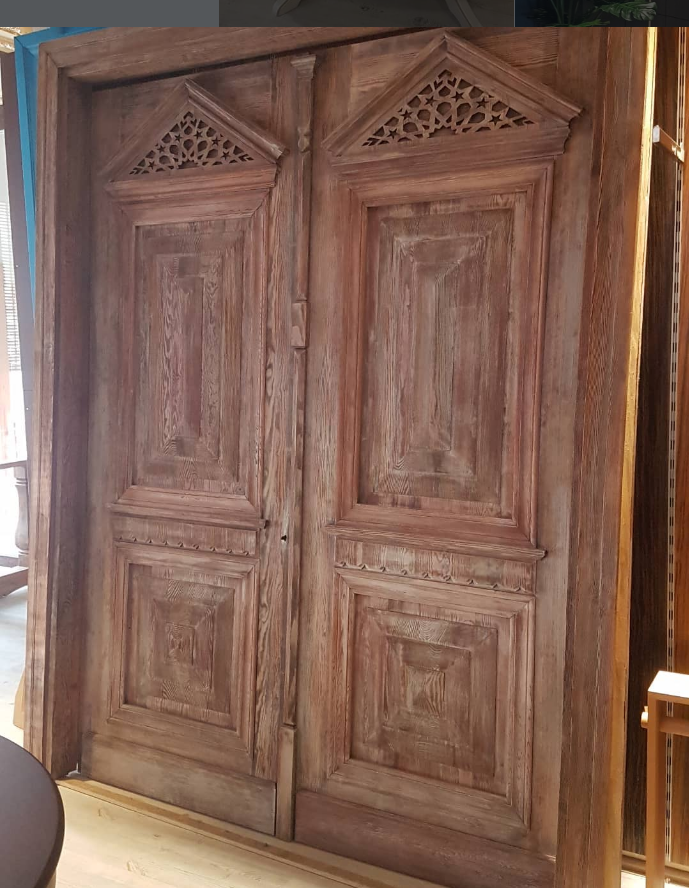
Butik Otel Mobilyaları
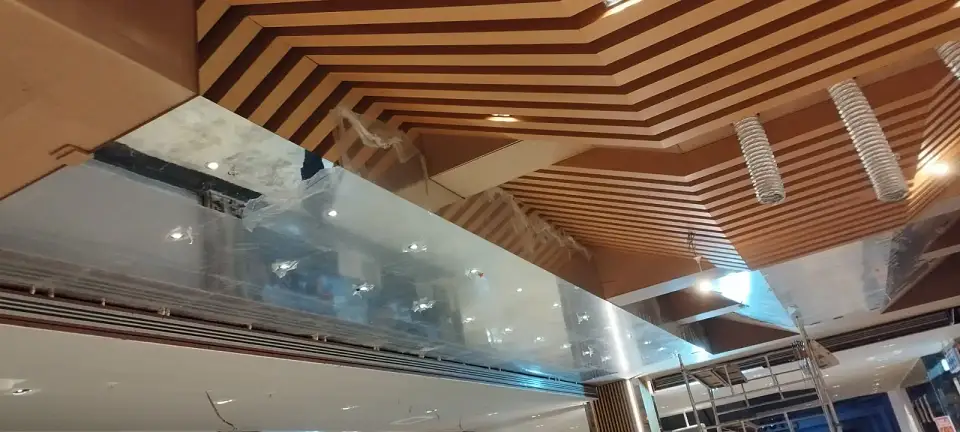
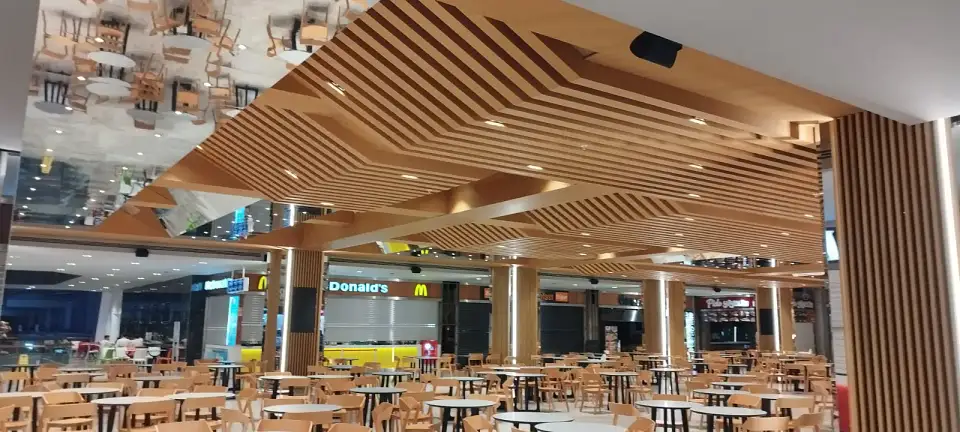
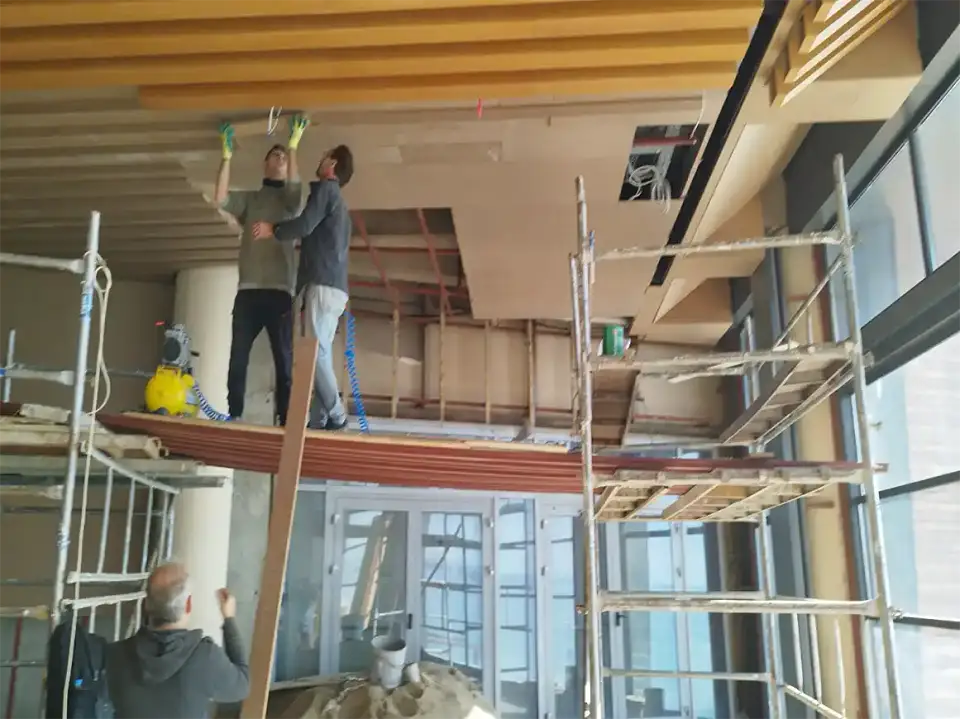
Butik Otel Mobilyaları
Tarihi Binaların Ahşap Dekorasyonları
Tarihi Ahşap restorasyonlari Kapılar
Tarihi binaların mobilya dekorasyonları
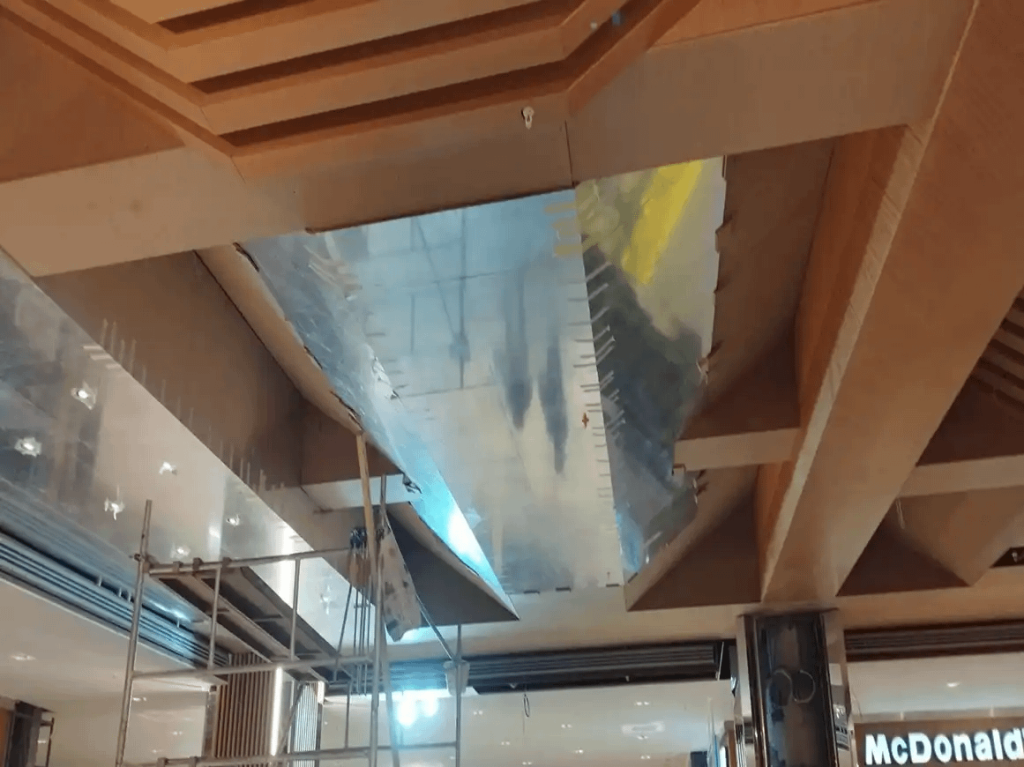
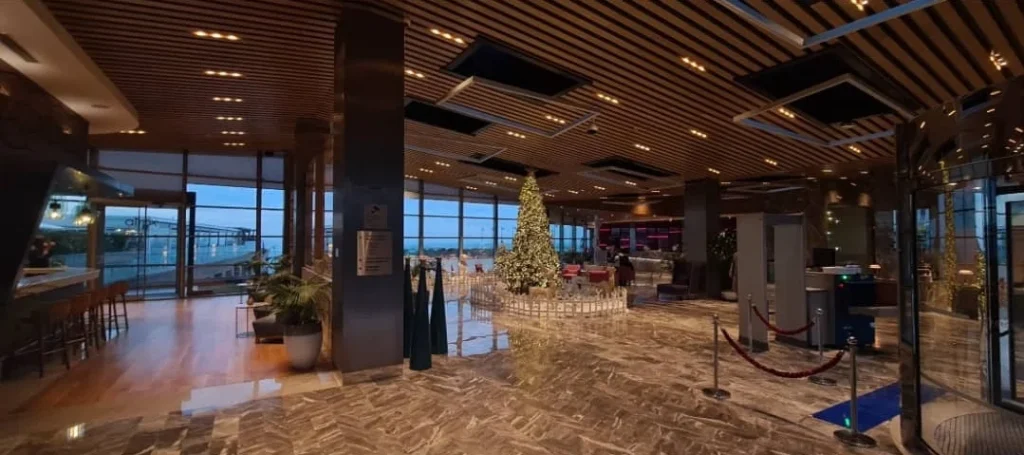
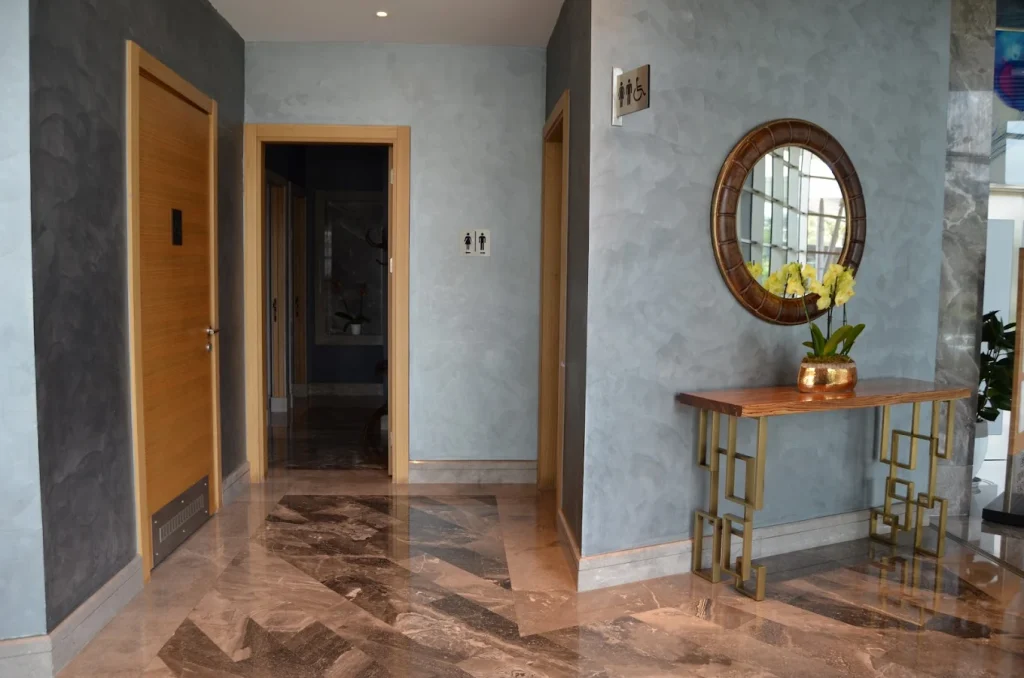
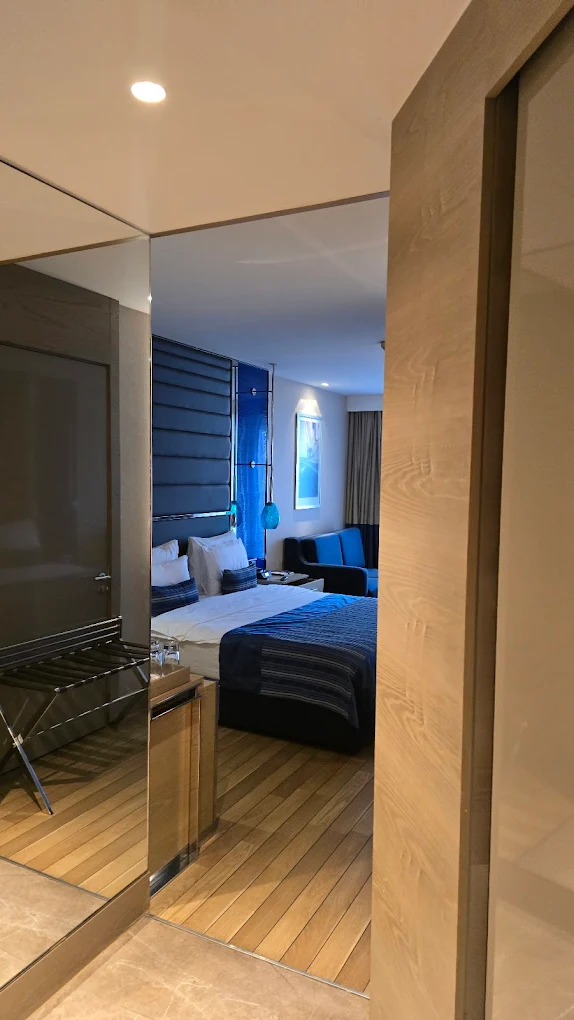


Butik Otel Mobilyaları
Etiket:Antique Hotel Furniture Turkey, Classic Hotel Furniture Turkey, Fire-Rated Hotel Furniture Turkey, Hotel Bed Base Manufacturers Turkey, Hotel Furniture Decoration Companies Turkey, Hotel Furniture Export Turkey, Hotel Furniture Technical Specifications Turkey, Hotel Hospitality Furniture Turkey, Istanbul Hotel Furniture Turkey, Melamine Faced MDF Hotel Furniture Turkey, Minimalist Hotel Room Turkey, Mountain Hotel Furniture Turkey, Rustic Hotel Furniture Turkey, Solid Hotel Furniture Turkey, Thermal Hotel Furniture Turkey

Şunları da sevebilirsiniz
Pozantı Otel Mobilyaları | Adana Otel Mobilya Üretimi
Saimbeyli Otel Mobilyaları | Adana Otel Mobilya Üretimi