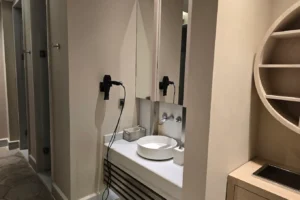
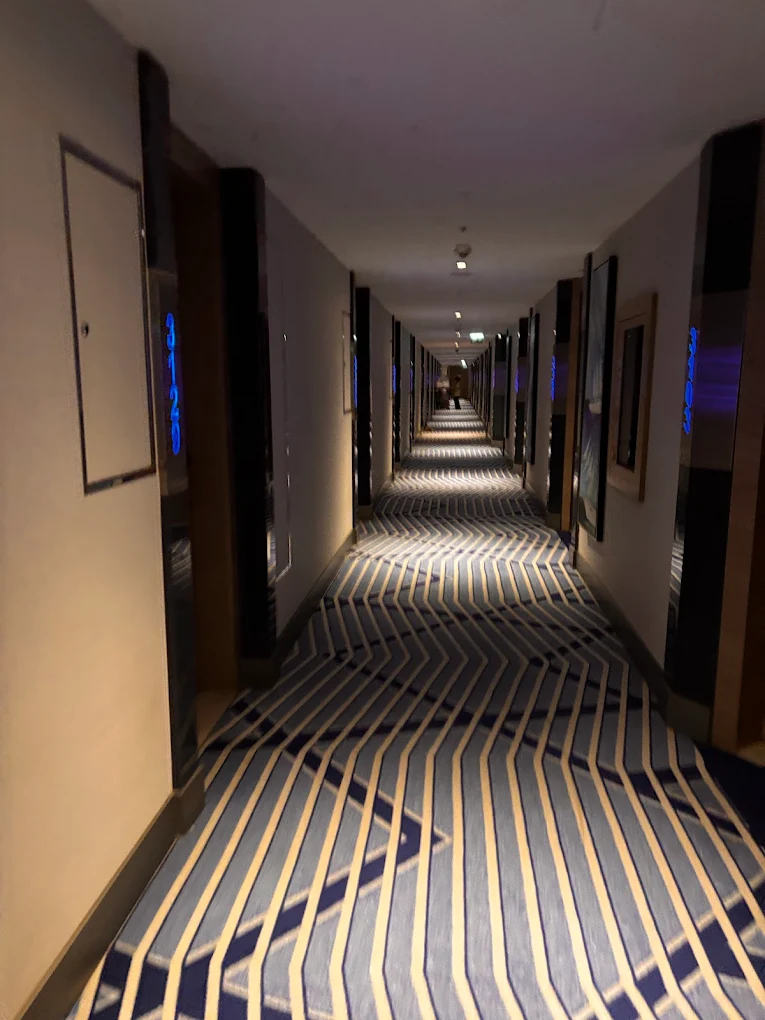
Hotel Furniture Turkey
Hotel Furniture Turkey: The Ultimate Guide to Sourcing Hospitality Excellence
The global hospitality sector is undergoing a profound transformation. Modern hotel guests no longer seek just a place to sleep; they demand immersive experiences, hyper-functional environments, and aesthetic storytelling. At the core of this transformation lies interior design and loose FF&E (Furniture, Fixtures, and Equipment). When it comes to manufacturing high-quality, durable, and design-forward commercial furniture, one global hub consistently stands out: Turkey.
Sourcing hotel furniture Turkey options has become the strategic gold standard for international hoteliers, procurement managers, and interior designers. This comprehensive technical guide analyzes why the Turkish manufacturing landscape dominates the hospitality industry, the technical engineering behind commercial-grade production, material compliance standards, procurement workflows, and how to successfully navigate a custom furniture project from blueprint to installation.
1. Why Turkey Dominates the Global Hospitality Furniture Market
The global market for hospitality furniture requires a rare combination of artisanal craftsmanship, high-volume automated manufacturing, geographic proximity to major markets, and cost efficiency. The production of hotel furniture Turkey bridges the gap between high-end European design standards and cost-effective manufacturing metrics.
+-------------------------------------------------------------------------+

|                  THE TURKISH FURNITURE EDGE                             |
+-------------------+--------------------+--------------------------------+

| Strategic Hub     | Material Access    | Customization                  |
| 3 Continents      | Domestic Timber,   | Advanced Engineering &         |
| Low Transit Times | Metals, & Textiles | Artisanal Hand-Carving         |
+-------------------+--------------------+--------------------------------+
Strategic Geographic Positioning and Logistics
Turkey operates as a logistical bridge between Europe, Asia, and the Middle East. For projects in the EMEA region, shipping goods via vessel, rail, or truck significantly reduces transit times compared to East Asian manufacturing hubs.
- Transit Windows: Shipping from manufacturing clusters in Turkey to major European ports typically takes between 4 to 9 days via road freight, compared to 30 to 45 days via ocean freight from Asia.
- Reduced Supply Chain Risks: Shorter transit lanes mean less exposure to maritime disruptions, port congestion, and volatile container pricing. This allows developers to maintain tight project milestones.
- Lower Carbon Footprint: Nearshoring production to Turkey significantly minimizes scope 3 emissions associated with long-distance international freight, supporting corporate sustainability certifications like LEED and BREEAM.
Vertical Integration of Raw Materials
Unlike manufacturing hubs that rely heavily on imported raw components, the hotel furniture Turkey sector profits from deep domestic vertical integration.
- Timber and Wood Derivatives: Turkey possesses vast, sustainably managed forestry reserves providing local access to beech, oak, walnut, and high-density fiberboards (MDF).
- Textiles and Leather: As an absolute global powerhouse in textile manufacturing, Turkey produces world-class contract-grade fabrics, performance velvets, synthetic leathers, and genuine upholstery hides. These materials feature built-in stain-resistant, antimicrobial, and fire-retardant properties.
- Metals and Hardware: Domestic steel, aluminum extrusion, and advanced electroplating industries allow factory lines to combine wood, metal, and glass components under one roof without outsourcing delays.
Advanced Industrial Capabilities vs. Artisanal Craftsmanship
The Turkish manufacturing infrastructure is unique because it co-exists across two distinct operational models: mass automated CNC-driven production lines and centuries-old artisanal workshops. A single contract factory can utilize state-of-the-art 5-axis CNC machining centers to shape solid wood frames with sub-millimeter precision, while simultaneously employing master carvers, hand-welders, and specialized polishers to execute intricate bespoke finishes.
2. Key Manufacturing Hubs in Turkey
To successfully procure hotel furniture Turkey products, procurement teams must understand the country’s regional manufacturing specializations. Different industrial zones offer distinct technological advantages, price matrix brackets, and stylistic outputs.
Istanbul: The Design and Premium Procurement Epicenter
As the corporate and cultural heart of the country, Istanbul hosts premium design firms, turnkey contract contractors, and specialized manufacturing plants primarily located in industrial zones like Modoko and Masko.
- Specialization: High-end boutique hotels, luxury 5-star properties, complex custom public spaces, and bespoke case goods.
- Engineering Focus: Deep integration with international architecture practices, sophisticated English-speaking project management teams, and mastery over rare, luxury materials.
İnegöl (Bursa): The High-Volume Production Engine
İnegöl is an industrial phenomenon, accounting for a massive share of the country’s total furniture exports. The region operates with extreme efficiency due to highly concentrated supply chains.
- Specialization: Large-scale rollouts, mid-scale 3-star and 4-star select-service hotels, and standardized guestroom case goods.
- Engineering Focus: Highly automated production lines, rapid throughput capabilities, and optimized cost structures for massive volume orders.
Ankara (Siteler): The Structural and Solid Wood Experts
The Siteler district in Ankara is historically renowned for its profound wood-engineering legacy.
- Specialization: High-durability solid wood structural components, heavy-duty contract seating, intricate wood joinery, and classic or neoclassical hotel aesthetics.
- Engineering Focus: Exceptional mastery of timber seasoning, structural mortise-and-tenon joinery, and premium hand-applied lacquer coatings.
Kayseri and Izmir: Scaled Manufacturing and Maritime Logistics
- Kayseri: Dominated by mega-factories specializing in advanced mattress production, upholstered structural bases, and flat-packed modular components utilizing heavy industrial automation.
- Izmir: Leveraging its massive international deep-water port, Izmir-based manufacturers focus heavily on outdoor hospitality furniture, aluminum-frame resort systems, and streamlined export logistics to North American and European markets.
3. Product Classifications & Technical Engineering in Hospitality FF&E
Commercial contract furniture is subjected to structural stresses that residential items never encounter. A hotel guestroom chair or lobby sofa must withstand continuous heavy weight cycles, aggressive cleaning chemical exposures, and physical impacts. When engineering hotel furniture Turkey configurations, manufacturers segment production into specialized product families.
       +-----------------------------------------------------------+

       |               HOTEL FF&E PRODUCT SPECTRUM                 |
       +-----------------------------------------------------------+
                                     |
         +---------------------------+---------------------------+

         |                                                       |
v--------v--------v                                     v--------v--------v

|   CASE GOODS    |                                     |   UPHOLSTERY    |
| Headboards      |                                     | Lobby Sofas     |
| Wardrobes       |                                     | Desk Chairs     |
| Desks & Vanities|                                     | Lounge Seating  |
| Nightstands     |                                     | Banquettes      |
+-----------------+                                     +-----------------+
Guestroom Case Goods: Engineering for Longevity
Case goods represent the structural backbone of the guestroom footprint. This includes wardrobes, luggage racks, vanities, mini-bar cabinets, nightstands, and integrated headboards.
Substrate Selection and Stabilization
The core material determines the structural life of the furniture. Premium Turkish contract factories rarely use raw particleboard for structural components, opting instead for superior alternatives:
- Moisture-Resistant MDF (MR-MDF): Used extensively in areas prone to humidity or temperature fluctuations, such as mini-bar enclosures and bathroom vanities.
- Multi-Layer Beech Plywood: Chosen for high-stress structural parts due to its superior screw-holding capacity and resistance to warping under variable loads.
Edge-Banding and Surface Treatments
The edges of desks and luggage racks take direct hits from heavy guest suitcases.
- ABS/PVC Edge Banding: Applied using high-temperature polyurethane (PUR) hot-melt adhesives. PUR adhesives form a cross-linked chemical bond that is completely waterproof and heat-resistant, preventing edge peeling over time.
- High-Pressure Laminates (HPL) vs. Natural Wood Veneers: For high-traffic areas, HPL surface faces are specified due to their extreme scratch and impact resistance. When natural wood veneers are required, Turkish manufacturers utilize heavy-duty multi-layer UV-cured acrylic topcoats to seal the timber against liquids and cleaning agents.
Integrated Hardware Architecture
The lifespan of a wardrobe door or soft-close drawer depends entirely on its structural hardware. Leading Turkish producers partner with top-tier international and domestic hardware brands (such as Samet, Blum, or Hafele) to integrate commercial-grade concealed hinges, soft-closing ball-bearing drawer slides, and heavy-duty leveling glides that compensate for uneven hotel flooring.
Upholstery and Ergonomics: The Art of Contract Seating
Lobby lounges, task chairs, and guestroom armchairs must maintain their shape, firmness, and aesthetic integrity across hundreds of thousands of guest sittings.
Frame Construction
Turkish seating engineering relies heavily on kiln-dried beechwood frames with a moisture content tightly controlled between 8% and 12%. This prevents the wood from checking, splitting, or warping when shipped across different climates. For modern or high-stress designs, internal structural steel chassis are over-molded with high-density polyurethane foam.
Foam Density Metrics and Performance
Residential furniture often uses low-density foam that sags within a few years. Contract-grade hotel furniture Turkey fabricators utilize premium high-resiliency (HR) molded foams:
- Seat Cushions: Engineered with a minimum density of 35 to 45 kg/m³ to provide optimal weight distribution and structural rebound memory.
- Backrests: Constructed using 28 to 32 kg/m³ density foam to offer balanced comfort while retaining a crisp, tailored appearance.
Suspension Engineering
Traditional elastic webbing is replaced or reinforced with heavy-gauge, oil-tempered sinusoidal (serpentine) steel springs or interwoven high-tensile elastomeric straps. This architecture prevents bottoming-out and evenly distributes mechanical stresses across the entire wood frame.
Public Space FF&E: Scale, Metalwork, and Millwork Integration
Hotel lobbies, ballrooms, and restaurants require oversized, highly complex structural elements that combine loose furniture with architectural millwork.
Structural Metalwork and Finishes
The modern hospitality design aesthetic relies heavily on metal accents. Turkish factories feature integrated metalworking shops capable of executing high-end treatments:
- PVD Coating (Physical Vapor Deposition): Depositing titanium nitride films onto stainless steel frames creates brilliant brass, gold, or bronze finishes with extreme hardness and scratch resistance.
- Electrostatic Powder Coating: Used for high-traffic restaurant bases and outdoor terrace furniture, creating a thick, chip-resistant, and corrosionproof barrier.
Stone, Glass, and Solid Surface Integration
Lobby counters and communal tables regularly feature marble, quartzite, or porcelain slabs. Turkey’s status as one of the world’s largest exporters of natural marble (such as Mugla White, Emperador, and Tundra Grey) allows manufacturers to source, cut, and polish premium stone tops directly within the furniture fabrication pipeline. This eliminates third-party markups and alignment errors.
4. Materials, Technical Standards, and International Certifications
Sourcing hotel furniture Turkey options requires a deep focus on international regulatory compliance. Global hotel chains cannot install furniture that fails fire safety, environmental emission, or structural durability tests. Turkish contract manufacturers build products to conform directly to stringent European (EN), British (BS), and American (ASTM/BIFMA) regulatory frameworks.
Fire Retardancy and Crib 5 Compliance
Fire safety compliance is a non-negotiable metric for commercial properties. Turkish upholstery workflows are fully equipped to meet these rigid international flame-retardant standards.
| Certification Standard | Regulatory Region | Target Components | Core Material Requirements |
|---|---|---|---|
| BS 5852 (Crib 5) | United Kingdom / International | Upholstery Fabrics, Interliners, and Foams | Requires the composite assembly to withstand a flaming wooden crib ignition source without propagating fire. |
| EN 1021-1 & 1021-2 | European Union | Seating Assemblies | Evaluates the reaction of furniture components to a smoldering cigarette and a match-flame equivalent. |
| CAL TB 117-2013 | North America | Upholstery Filling Materials | Utilizes smoldering ignition tests to measure fabric and foam resistance to flame propagation. |
To achieve compliance, Turkish factories utilize inherently flame-retardant yarns (such as Trevira CS), apply specialized back-coatings to textiles, and source combustion-modified high-resiliency (CMHR) foams.
Structural Integrity and Performance Standards (EN 16139 & BIFMA)
To guarantee that seating and case goods can withstand the physical abuse of a busy hotel environment, products undergo rigorous mechanical stress testing.
- EN 16139 (Test Level 2): Turkish contract chairs are engineered to pass European standards for non-domestic seating used in high-traffic commercial environments like nightclubs, hotels, and public reception areas. This involves cycling 200,000 repetitions of structural seat and back loads.
- ANSI/BIFMA X5.1 – X5.5: For projects targeting the North American market, factories adjust engineering joints and fasteners to pass these demanding stability, leg strength, and drop-test criteria.
Sustainability, Eco-Labeling, and VOC Control
Modern hotel brands demand sustainable supply chains to achieve green hospitality rankings.
- E1 and E0 Formaldehyde Emissions: All wood composites (MDF, plywood) used in premium Turkish production comply with European E1 or the even stricter E0 indoor air quality standards. This ensures that zero or minimal volatile organic compounds (VOCs) off-gas into enclosed guestrooms.
- FSC Certification (Forest Stewardship Council): Leading manufacturers can supply a full chain-of-custody tracking certification. This proves that all timber components are harvested from legally logged, responsibly managed forests.
5. The End-to-End Procurement and Custom Production Workflow
Procuring bespoke hotel furniture Turkey products requires a structured technical workflow. Unlike buying off-the-shelf items, custom FF&E production demands clear documentation, material sign-offs, and rigorous quality check gates at every stage of the project lifecycle.
+-----------------------------------------------------------------------------+

|                     TURKISH FF&E PROCUREMENT PIPELINE                       |
+-----------------------------------------------------------------------------+

|  1. Shop Drawings & Engineering Review (CAD/BIM Alignment)                  |
|                                                                             |
|  2. Material Sample Submission & SWATCH Sign-Off                            |
|                                                                             |
|  3. Mock-Up Room (MUR) Production & Physical Inspection                      |
|                                                                             |
|  4. Mass Production & Mid-Term Inline Quality Auditing                      |
|                                                                             |
|  5. Final QC, Commercial Export Packing, & Containerization                 |
|                                                                             |
|  6. Logistics Logistics Logistics (DDP/FOB) & On-Site Installation          |
+-----------------------------------------------------------------------------+
Phase 1: Shop Drawings and Engineering Review
The procurement pipeline begins with the interior designer’s conceptual tender packages. Once a Turkish factory is selected, their internal engineering department converts these conceptual concepts into highly detailed fabrication shop drawings.
- CAD and BIM Alignment: Drawings are produced using advanced software (such as SolidWorks, AutoCAD, or TopSolid) to map out every joint, fastener location, and material interface.
- Value Engineering: At this stage, Turkish engineers identify structural weaknesses or opportunities for optimization. They might suggest substituting a rare solid wood component with a more stable, veneer-wrapped MR-MDF panel to improve durability while lowering costs.
Phase 2: Material Sample Submission (The Material Board)
Before production lines spin up, the factory compiles a comprehensive material submittal package for design team approval.
- Wood Swatches: Showing the exact grain direction, stain coloration, and gloss percentage level of the lacquer finish.
- Upholstery Lab Reports: Providing clean documentation for Martindale abrasion tests (typically requiring a minimum of 40,000 to 100,000 double rubs for contract use) along with certified fire-retardant test sheets.
- Hardware and Accents: Physical samples of metal handles, PVD coatings, and stone edges.
Phase 3: The Mock-Up Room (MUR) Phase
The Mock-Up Room is the single most critical risk-mitigation step in hospitality procurement. The factory fabricates one exact prototype of every single piece of furniture specified for a standard guestroom.
The developer, procurement manager, and interior designer then inspect these prototypes. They evaluate them across several key criteria:
- Aesthetic Alignment: Does the piece match the design intent under the specific color temperature of hotel lighting?
- Ergonomic Comfort: Is the desk chair set at an ideal structural height relative to the vanity? Is the mattress support system perfectly level?
- Housekeeping Functionality: Can a housekeeper easily clean under the nightstand? Are wardrobe hanging rods placed at accessible heights? Are the wiring chases wide enough for hotel electronic integration?
Once any necessary adjustments are noted and engineered out, the mock-up items are signed off as the golden standard for mass production.
Phase 4: Mass Production and Inline Quality Auditing
With MUR approval secured, mass manufacturing begins. Reputable manufacturers implement continuous quality assurance protocols throughout this phase:
- Moisture Content Checks: Handheld digital meters measure every timber batch before cutting to verify it sits perfectly within the stable 8-12% moisture range.
- Jig-Verified Assembly: Assembly teams utilize specialized steel jigs to guarantee absolute dimensional uniformity across hundreds of identical items.
- Mid-Term Inspections: Buyers can deploy third-party inspectors (such as SGS or Bureau Veritas) directly to the Turkish factory floor to review internal construction details before upholstery covers are permanently attached.
Phase 5: Packaging, Containerization, and Export Engineering
Damage during international shipping can ruin a project’s timeline. Turkish contract exporters apply heavy industrial packing standards designed to survive ocean waves or overland road vibrations:
- Surface Protection: Every polished surface is wrapped in non-adhesive protective films to completely eliminate friction scratches.
- Edge Reinforcement: High-density foam profiles or thick corrugated cardboard corner guards shield delicate case good edges from impact.
- Crating and Box Selection: Items are packed in heavy-duty 5-layer double-wall corrugated cardboard boxes. Extra-fragile elements, like marble vanity tops or oversized glass mirrors, are packed into fully enclosed heat-treated wooden crates.
- Container Volumetric Optimization: Loading software models the exact layout of the containers to optimize spatial density, secure loose loads, and prevent cargo shifting during transit.
6. How to Select the Right Turkish Hotel Furniture Manufacturer
The Turkish market offers thousands of furniture suppliers, but only a specialized subset possesses the scale, engineering infrastructure, and financial stability required to execute commercial contract hospitality projects. Selecting the right partner requires a systematic validation process.
       +-----------------------------------------------------------+

       |             MANUFACTURER VALIDATION MATRIX                |
       +-----------------------------------------------------------+
                                     |
    +-----------------+--------------+---------------+----------------+

    |                 |              |               |                |
v---v-----------v v---v----------v v-v------------v v-v--------------v

|  PORTFOLIO    | | CONTRACT-ONLY| |  FINANCIAL   | | COMMUNICATION  |
|  VALIDATION   | | INFRASTRUCTURE | | STABILITY    | | & ENGINEERING  |
| Track record  | | No mixed-use | | Multi-stage  | | Bilingual PMs, |
| of past global| | residential  | | bond capacity| | advanced tech  |
| hotel brands  | | lines        | | to back wood | | shop drawing   |
|               | |              | | procurement  | | capabilities   |
+---------------+ +--------------+ +--------------+ +----------------+
Reviewing the Hospitality Portfolio and Track Record
A qualified factory must demonstrate a proven, verifiable track record of delivering completed hotel properties for recognized international or premium regional hospitality brands (such as Marriott, Hilton, Accor, or IHG).
- Ask for Case Studies: Do not just look at 3D renderings on a website. Request physical photographs of completed hotel interiors alongside the contact information for the project’s procurement managers.
- Verify Project Scale: Ensure the factory has successfully executed single orders of comparable scale to your project. A facility that shines at producing 15 rooms for a small boutique hotel may struggle to manage the production flow of a 350-room convention resort.
Inspecting Factory Infrastructure and Machinery
When vetting a potential partner, a physical or comprehensive digital live-video audit of the manufacturing facility is essential. Look for specialized contract production equipment:
- Automated Panel Saws and PUR Edge-Banders: Essential for ensuring perfectly water-resistant, durable edge finishes on case goods.
- Multi-Axis CNC Machining Centers: Guarantees absolute structural uniformity across thousands of complex wood components.
- Dedicated Dust-Free Finishes and Lacquer Rooms: A clean, pressurized finishing environment is vital. It prevents airborne dust particles from settling into wet lacquer coatings, ensuring flawless surfaces.
Assessing Communication, Engineering, and Project Management
Bespoke hospitality procurement involves navigating thousands of distinct product details. Your chosen partner must offer a sophisticated communication infrastructure:
- Bilingual Project Managers: The factory should assign a dedicated, technically proficient project manager who speaks fluent English or the language of your design team.
- CAD/BIM Proficiency: The internal technical team must demonstrate absolute proficiency in reading, interpreting, and modifying complex architectural and interior design drawing sets.
Financial Health and Bond Capacities
Large hotel developments require significant multi-stage financial outlays. The selected manufacturer must be financially stable and capable of securing advance payment guarantees or performance bonds through international banking institutions. This protects your capital throughout the production cycle.
7. Cost Structuring, Value Engineering, and ROI Analysis
Sourcing hotel furniture Turkey solutions offers distinct financial advantages, but maximizing your return on investment requires a thorough understanding of cost components and a strategic approach to value engineering.
The Cost Advantages Explained
Manufacturing custom furniture in Turkey provides an exceptional balance of cost and quality due to clear macroeconomic factors:
- Competitive Cost Metrics: Highly skilled industrial labor and engineering expertise remain very cost-effective relative to Western European and North American alternatives.
- Direct Access to Raw Materials: Local sourcing of timber, steel, performance fabrics, and marble cuts out third-party international import markups and customs fees.
- Favorable Currency Dynamics: Strong foreign purchasing currencies provide international procurement teams with exceptional purchasing power when negotiating large-scale manufacturing contracts.
Strategic Value Engineering (VE) Strategies
Value engineering is not about cutting corners or sacrificing design intent; it is about optimizing manufacturing methods to deliver identical performance and aesthetics at a better price point. Experienced Turkish manufacturers excel at this process:
- Substrate Optimization: Substituting solid internal wood panels with premium oak-veneered blockboard or high-density MDF for large flat surfaces. This reduces material costs and actually increases structural stability against warping.
- Hardware Alignment: Utilizing premium, heavy-duty soft-close hardware for high-use elements like main wardrobe doors and luggage desk drawers, while transitioning to reliable, standard-closing hardware for decorative or low-use storage spaces.
- Fabric Application Efficiency: Choosing wide-width contract textiles (such as 280 cm or 300 cm widths) to optimize cutting layouts, reduce material waste, and eliminate unnecessary fabric seams on oversized headboards or sofas.
8. Logistical Blueprints, Customs, and On-Site Installation
A successful furniture project does not end when the factory gates close. Transporting, importing, and correctly installing fragile commercial furniture requires precision planning and expert coordination.
Mastering Incoterms and Delivery Frameworks
When finalizing a manufacturing contract in Turkey, ensuring the correct Incoterms are specified is vital for managing risk and delivery expectations:
- FOB (Free On Board – Istanbul/Izmir): The manufacturer handles domestic transport, export clearances, and loads the containers onto the vessel. The buyer assumes responsibility for ocean freight, destination import duties, and final site delivery.
- DDP (Delivered Duty Paid): For hoteliers looking for a turnkey experience, premium Turkish manufacturers or specialized logistics partners manage the entire journey. They oversee export customs, international freight, destination customs clearance, duties, and deliver the cargo directly to the hotel job site.
Navigating Customs Documentation and Tariff Frameworks
Turkey maintains a long-standing Customs Union Agreement with the European Union. This allows for the duty-free movement of manufactured furniture items into EU member states, provided the shipment is accompanied by an A.TR Movement Certificate issued by the Turkish exporter. For deliveries to North America, the Middle East, and the UK, shipments are accompanied by standard Certificate of Origin documentation to ensure smooth integration with regional trade frameworks.
Staging Logistics and Job-Site Offloading
A large hotel project cannot receive all its furniture at once. The arrival of goods must match the floor-by-floor completion schedule of the construction site.
- Sequenced Container Loading: Turkish factories can pack containers by specific room zones or hotel levels (e.g., loading all level-5 case goods into a dedicated container group). This ensures that when the cargo arrives on-site, it can be distributed directly to its destination without chaotic sorting on the ground floor.
- Climate-Controlled Storage Staging: If the construction site experiences delays, the furniture must be held in dry, temperature-controlled warehouses. Storing sensitive timber furniture in humid, unsealed, or active construction areas can compromise the wood’s moisture equilibrium and ruin premium finishes.
On-Site Installation and Final Adjustments
The final fit-out requires experienced commercial installers. Many premium contract manufacturers in Turkey offer dedicated, mobile installation teams that travel internationally to the hotel site.
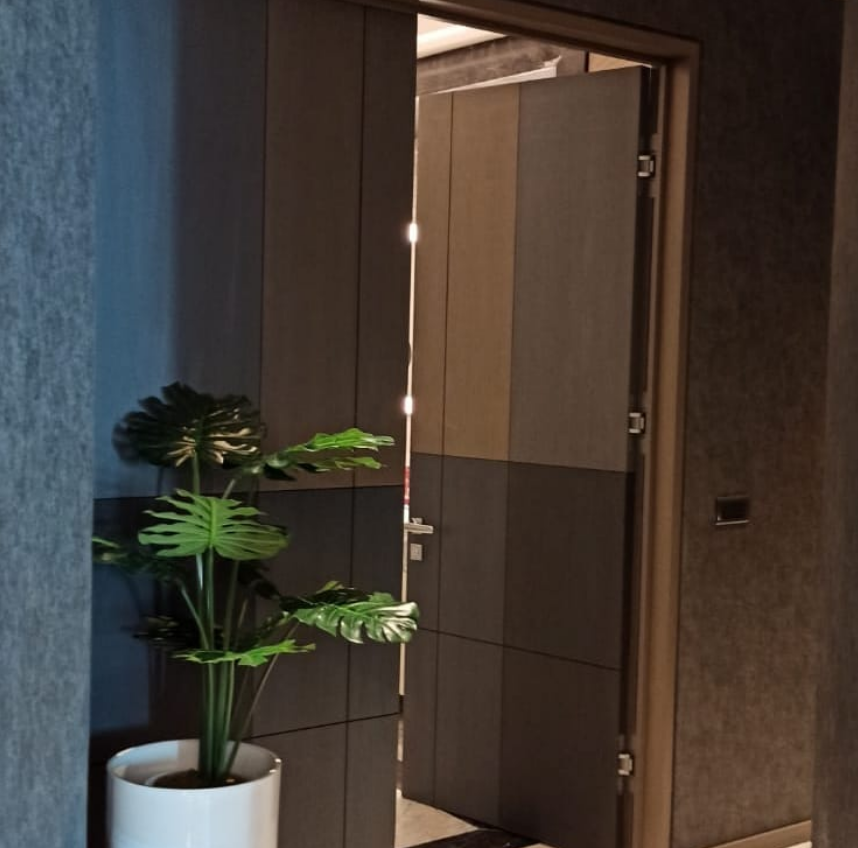
Butik Otel Mobilyaları
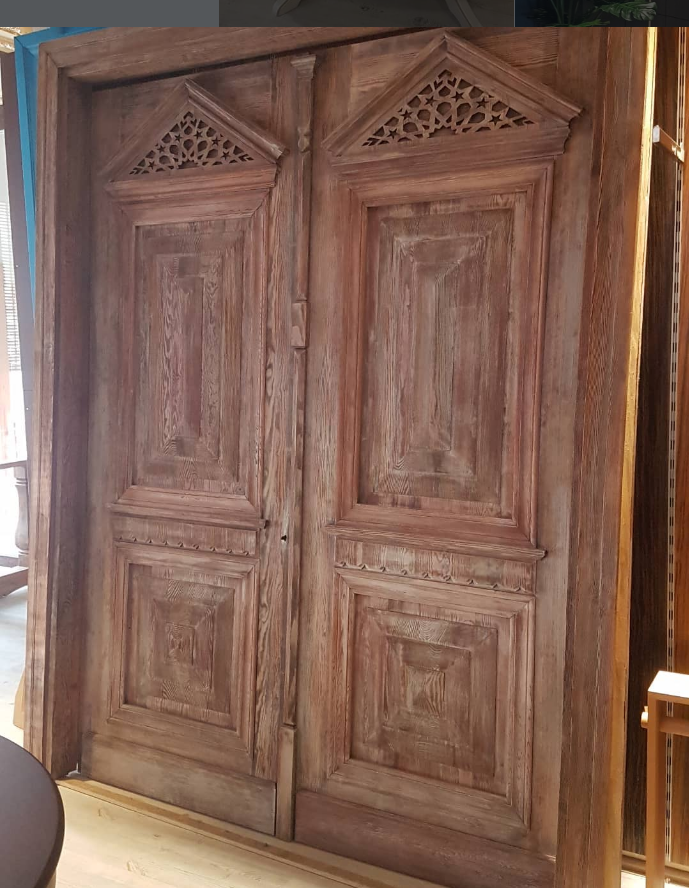
Butik Otel Mobilyaları
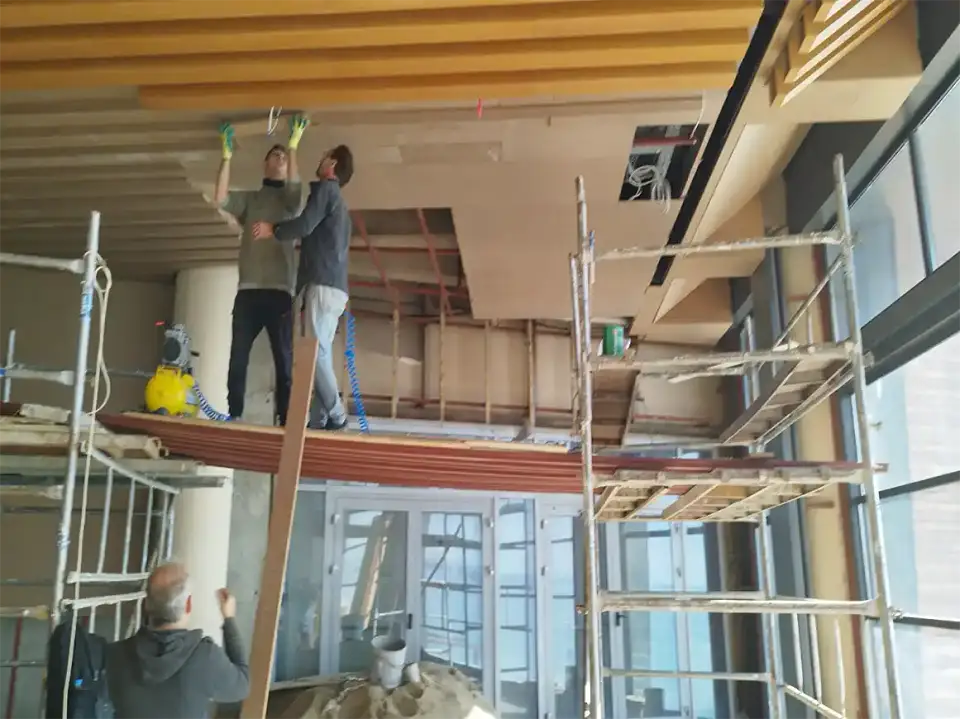
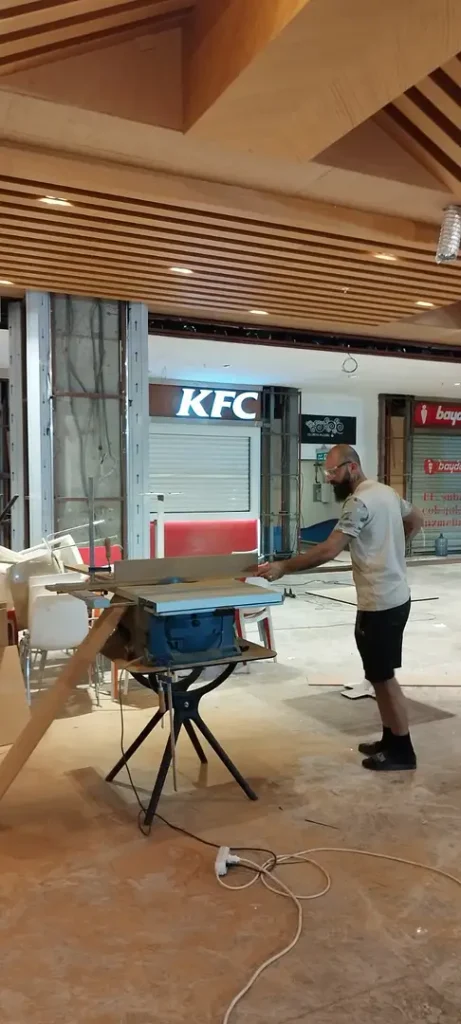
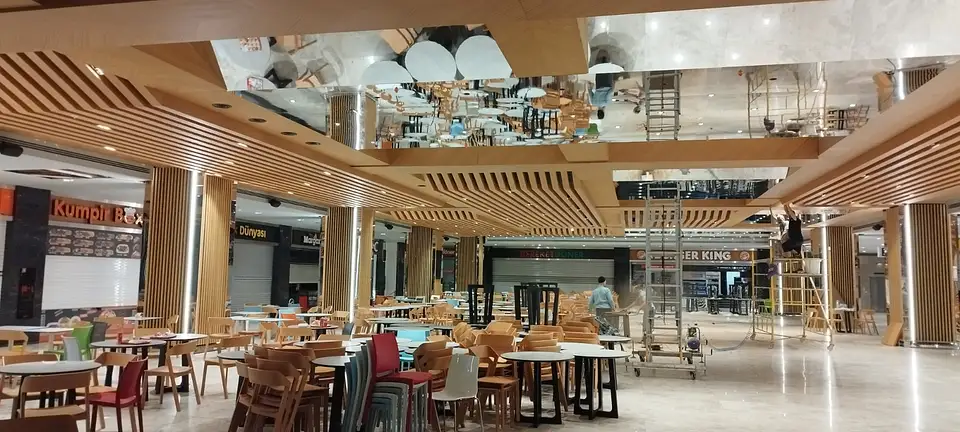
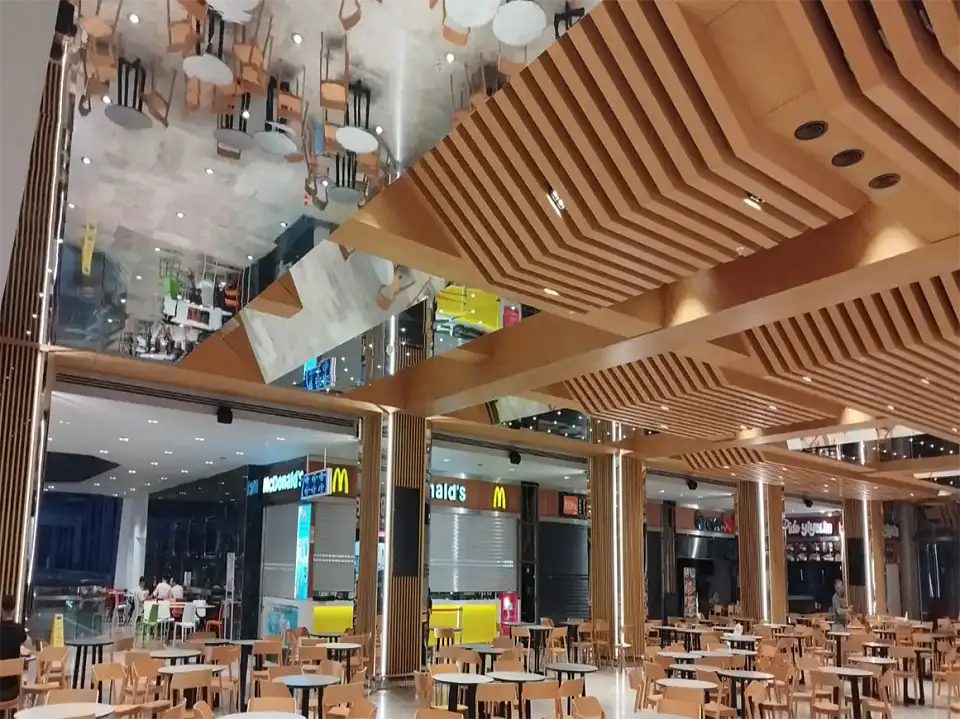
Tarihi Binaların Ahşap Dekorasyonları
Tarihi Ahşap restorasyonlari Kapılar
Tarihi binaların mobilya dekorasyonları
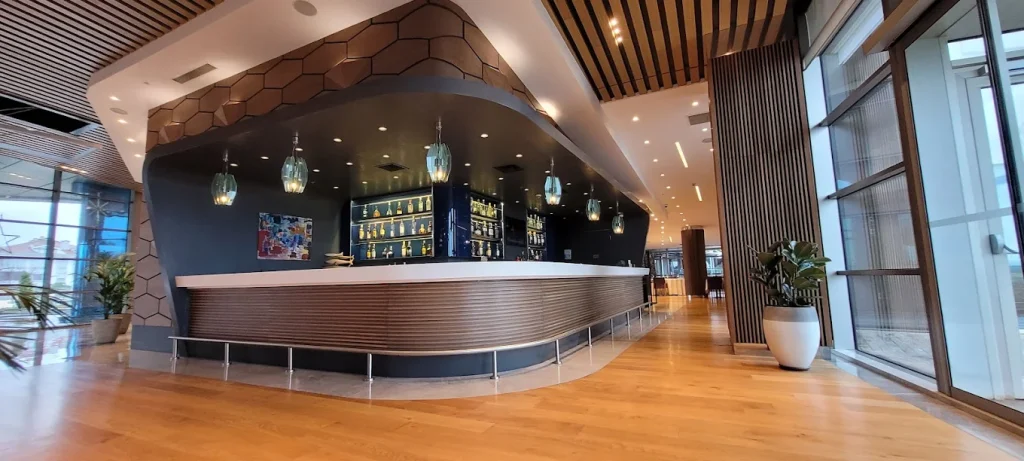
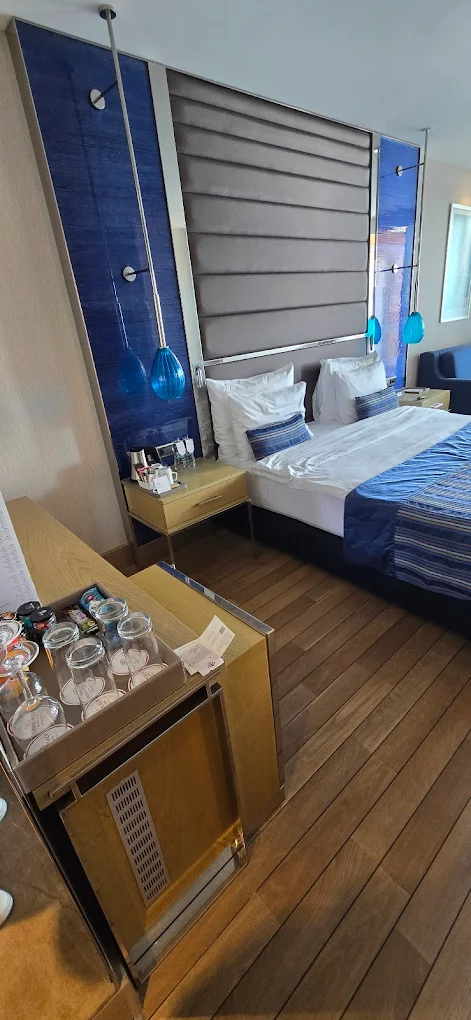
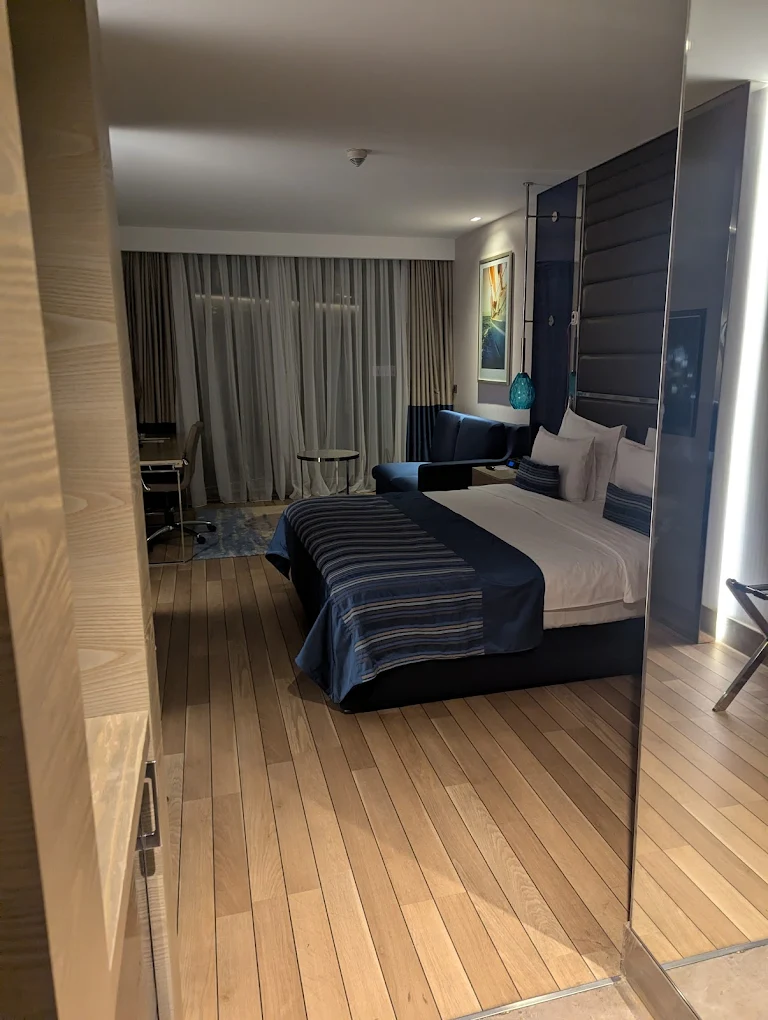
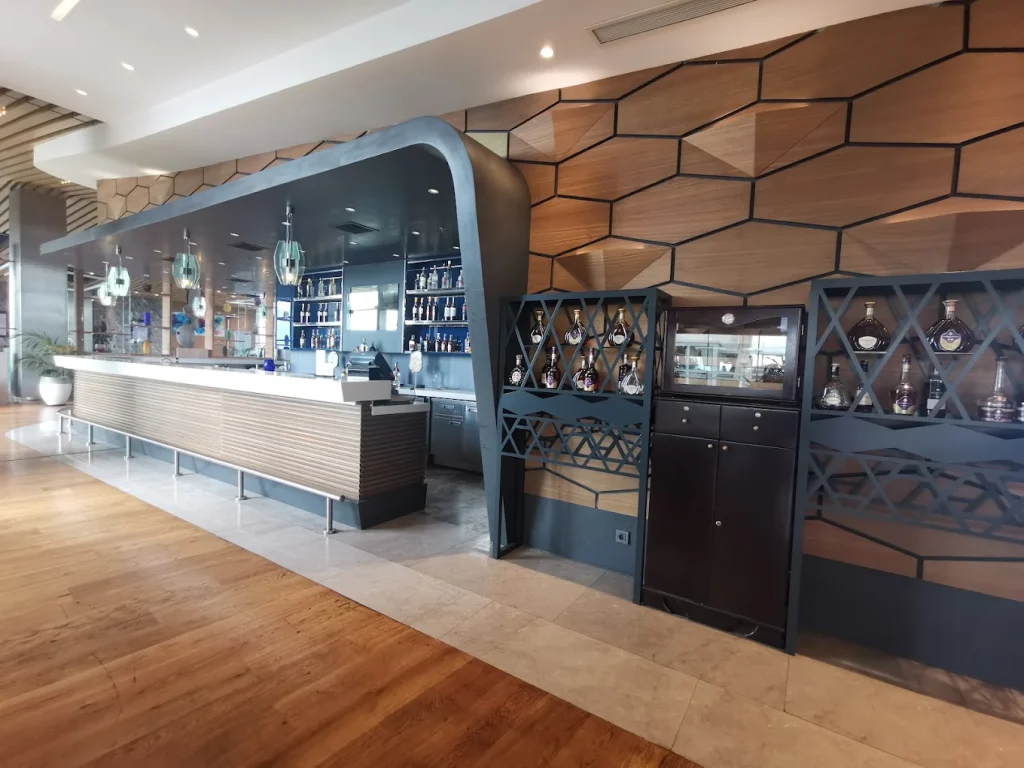

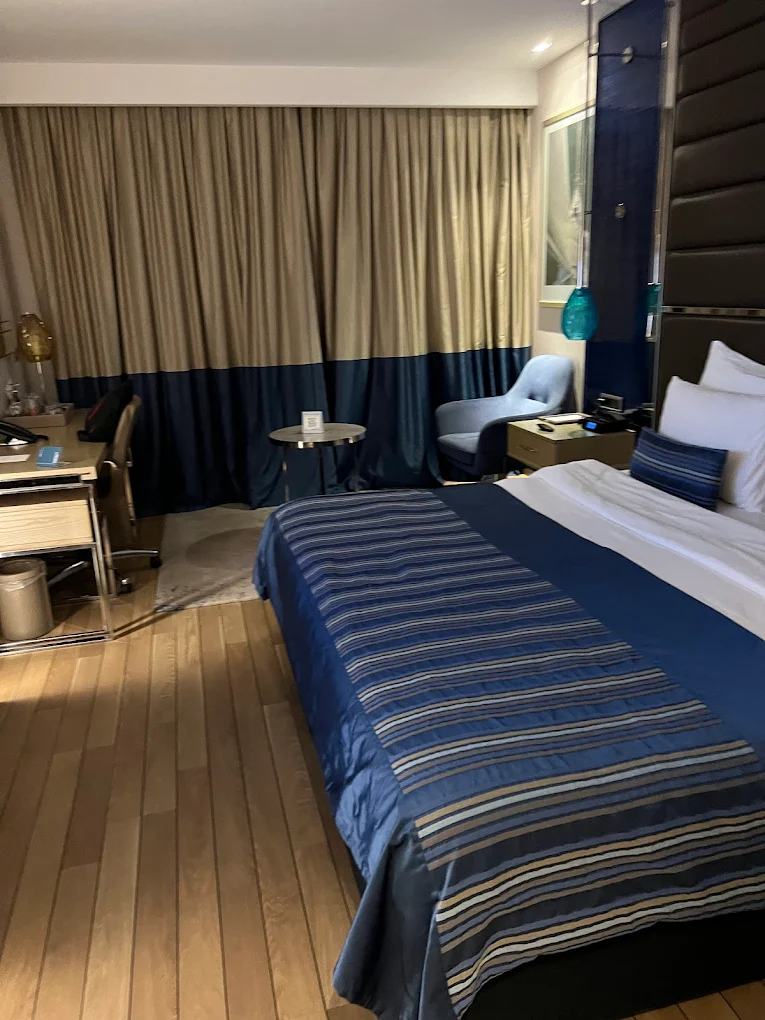
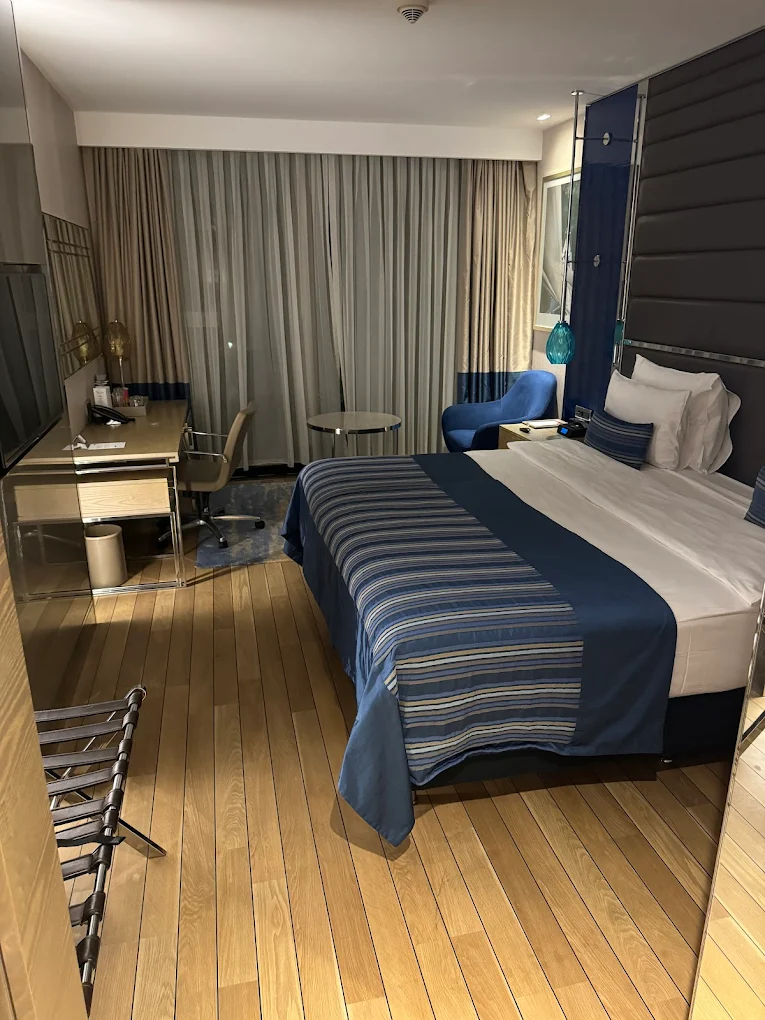

Butik Otel Mobilyaları

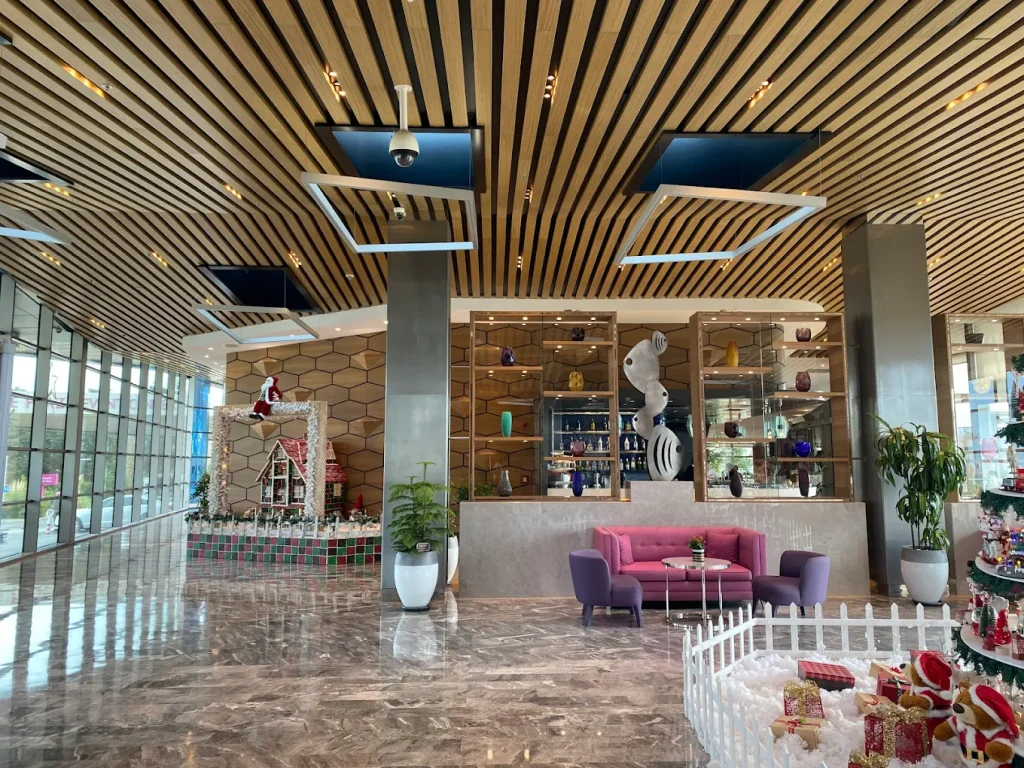
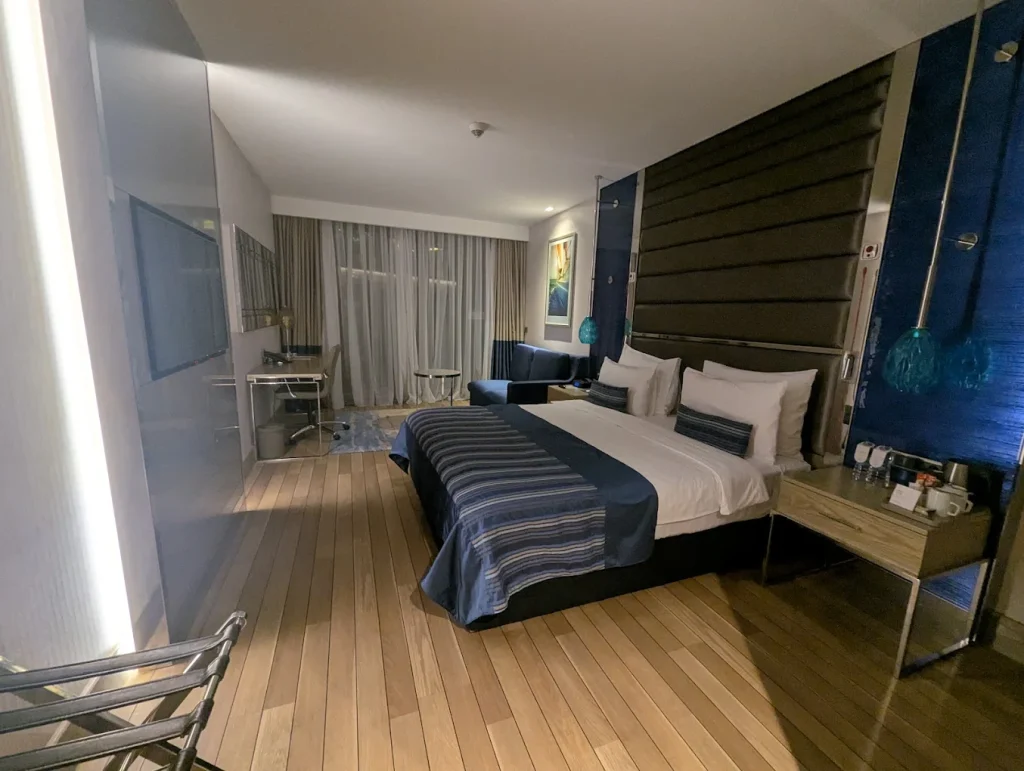
Etiket:Distressed Wood Hotel Furniture Turkey, Hotel Doors Turkey, Hotel Entrance and Hotel Lobby Furniture Turkey, Hotel Entrance Furniture Turkey, Hotel Furniture Decoration Turkey, Hotel Furniture Istanbul Turkey, Hotel Furniture Manufacturing Companies Turkey, Hotel Furniture Manufacturing Turkey, Hotel Furniture Turkey, Hotel Lobby Furniture Turkey, Hotel Room FurnitureTurkey, Hotel Wood Decoration Turkey, Luxury Hotel Furniture Turkey, Solid Wood Hotel Furniture Turkey, Wooden Hotel Furniture Turkey

Şunları da sevebilirsiniz
Pozantı Otel Mobilyaları | Adana Otel Mobilya Üretimi
Saimbeyli Otel Mobilyaları | Adana Otel Mobilya Üretimi