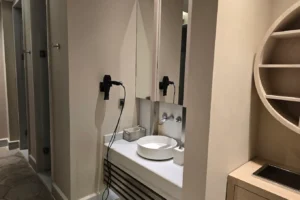
Hotel Furniture Turkey
Hotel Furniture Turkey: The Ultimate Guide to Sourcing B2B Hospitality Manufacturing
Turkish hotel furniture manufacturing has transformed from regional workshops into a global powerhouse. Turkey is now a top exporter of custom hospitality furniture to Europe, the Middle East, Africa, and North America. Hotel owners, procurement managers, and interior designers choose Turkish manufacturers to balance high-end craftsmanship with cost-effective production.
This guide breaks down everything you need to know about sourcing hospitality furniture from Turkey. We will explore manufacturing hubs, custom capabilities, material engineering, logistical frameworks, and technical quality standards.
1. The Strategic Advantage of Sourcing Hotel Furniture from Turkey
Geographic Logistics and Supply Chain Resilience
Turkey sits at the crossroads of Europe, Asia, and Africa. This geographic positioning gives international buyers a major logistical edge over East Asian competitors.
- Reduced Transit Times: Shipping ocean freight from Istanbul or Izmir to major European ports takes 7 to 14 days, compared to 35 to 45 days from China or Vietnam.
- Nearshoring Benefits: European hotel brands use Turkey for nearshoring to minimize supply chain disruptions, reduce warehousing costs, and implement just-in-time delivery.
- Lower Carbon Footprint: Shorter transport routes mean lower carbon emissions per container, helping projects meet LEED, BREEAM, or HQE green building certifications.
Comprehensive Vertical Integration
Turkey’s industrial ecosystem is highly integrated. Raw materials, primary processing, secondary manufacturing, and hardware production all happen within close proximity.
[Raw Timber & Minerals] ➔ [Local Refineries & Mills] ➔ [Industrial Manufacturing Hubs] ➔ [Global Export Logistics]
Turkish factories source domestic timber like beech, oak, and walnut directly from local forestry networks. The country also hosts an advanced textile sector that produces high-performance, contract-grade upholstery fabrics. This vertical integration keeps production lines moving smoothly, eliminates reliance on third-country imports, and protects buyers from sudden material shortages.
Value Optimization and Currency Dynamics
The structural dynamics of the Turkish Lira, paired with advanced industrial automation, offer a strong cost-to-quality ratio.
- Labor Efficiency: Highly skilled joiners, master upholsterers, and CNC technicians operate at competitive labor rates.
- Capital Reinvestment: Top Turkish manufacturers invest heavily in German and Italian machinery, including Homag CNC routers, SCM edge-banders, and automated UV lacquering lines.
- Tax and Trade Advantages: The Customs Union agreement between Turkey and the European Union eliminates customs duties on industrial goods, making trade simple and cost-efficient.
2. Turkey’s Primary Manufacturing Hubs for Hotel Furniture
Hospitality furniture manufacturing in Turkey is organized into specialized industrial clusters. Each region focuses on specific materials, styles, and production capacities.
| Manufacturing Hub | Core Expertise | Production Style | Major Target Markets |
|---|---|---|---|
| İnegöl (Bursa) | Mass customization, modular casegoods, engineered wood panel processing. | High-volume automated production lines. | Western Europe, CIS region, Middle East. |
| Modoko & Masko (Istanbul) | Bespoke joinery, premium luxury fit-outs, complex architectural millwork. | Artisan craftsmanship paired with high-tech engineering. | Global luxury chains, boutique hotels, cruise liners. |
| Ankara (Siteller) | Solid wood processing, traditional joinery, heavy contract seating. | High-durability structural wood fabrication. | Domestic public sector, MENA region, Central Asia. |
| Kayseri | Upholstered beds, commercial mattresses, high-volume metal frames. | Highly automated, mega-scale assembly lines. | Global economy hotel brands, student housing, cruise lines. |
İnegöl: The Automation and Casegoods Center
İnegöl functions as a highly optimized manufacturing city. The local industrial zones focus on high-speed CNC cutting, automated edge banding, and flat-pack or pre-assembled casegoods. If your project requires hundreds of keys of matching wardrobes, nightstands, and headboards, İnegöl factories offer the scale and speed needed to hit tight deadlines.
Istanbul (Modoko, Masko, and Tuzla Free Zone): The Luxury and Millwork Hub
Istanbul handles complex architectural design and bespoke production. Factories in the periphery of Istanbul collaborate closely with international interior design firms.
These facilities excel at mixing materials, such as combining liquid metal coatings, brushed brass accents, tinted glass, and performance resin into custom furniture pieces. Istanbul’s proximity to major ports and the Tuzla Free Zone makes it ideal for handling high-value luxury hotel projects and cruise line refurbishments.
3. Technical Customization: Casegoods and Loose Furniture Engineering
Sourcing hotel furniture Turkey requires turning design concepts into contract-grade shop drawings. Commercial furniture must withstand far more wear and tear than residential pieces.
Architectural Concept Concept ➔ Value Engineering (VE) ➔ Shop Drawings (CAD/BIM) ➔ Prototype Mock-up Room ➔ Mass Production
Casegoods Engineering (Wardrobes, Desks, Minibar Cabinets)
Turkish manufacturers use advanced materials designed for durability, stability, and moisture resistance:
- Substrates: Core structures use high-density Moisture-Resistant Medium Density Fiberboard (MR-MDF) or multi-layered birch plywood. Raw particleboard is avoided in high-traffic zones because it prone to sagging and moisture damage.
- Veneering and Edging: Natural wood veneers (such as walnut, oak, and ash) are applied using hydraulic hot presses. Edges are sealed with 2mm solid wood lipping or impact-resistant ABS bounding to prevent peeling under heavy impacts.
- Surface Finishes: Surfaces are protected with multi-coat polyurethane, acrylic, or ultraviolet (UV) cured lacquers. These finishes provide clear scratch resistance, yellowing prevention, and chemical immunity against commercial cleaning agents.
Loose Furniture Construction (Chairs, Sofas, Lounge Seating)
The longevity of loose seating depends entirely on its internal framework and structural engineering:
- Frames: Heavy contract chairs use kilndried European beechwood or solid ash with a moisture content between 8% and 10%. This prevents warping, splitting, and joint loosening over time. Joints are reinforced with double-doweled blocks, glued, and screwed securely.
- Metal Integration: For modern designs, laser-cut steel or extruded aluminum frames are powder-coated or electroplated with PVD (Physical Vapor Deposition) finishes for long-lasting color and corrosion resistance.
4. Material Selection and Performance Specifications
To ensure your furniture holds up under heavy use, your procurement specifications must meet strict international performance standards. Turkish manufacturers regularly source and certify materials to comply with these global testing metrics.
Contract-Grade Upholstery Fabrics
Residential fabrics wear out quickly in a hotel environment. Turkish mills engineer textiles specifically for the commercial market:
- Abrasion Resistance (Martindale Rub Test): Guestroom seating requires fabrics rated for at least 30,000 to 50,000 rubs. Public spaces, lobbies, and all-day dining areas require high-traffic textiles rated for 100,000+ rubs.
- Colorfastness and Pilling: Fabrics must score a minimum rating of 4 on both the pilling scale (ISO 12945-2) and the lightfastness scale (ISO 105-B02) to prevent fading from sunlight.
Fire Retardancy Compliance
Fire safety compliance is a strict legal requirement across the global hospitality sector. Turkish manufacturers build and certify furniture to meet your destination market’s exact regulations:
- European Market: Materials comply with EN 1021-1 (smoldering cigarette test) and EN 1021-2 (match flame equivalent).
- United Kingdom Market: Products meet the strict BS 5852 (Crib 5) flammability standard for public spaces.
- United States Market: Materials conform to CAL 133 (California Technical Bulletin 133) for high-risk public occupancies.
High-Performance Foams
To balance guest comfort with structural longevity, seating pieces use Combustion Modified High Resilience (CMHR) or polyurethane injected foams.
- Density Standards: Seat cushions feature a density range of \(35\text{ kg/m}^3\) to \(45\text{ kg/m}^3\) to maintain their shape without sagging.
- Back Cushions: Backrests use a slightly softer foam, ranging from \(28\text{ kg/m}^3\) to \(32\text{ kg/m}^3\), to provide comfortable ergonomic support.
5. Architectural Millwork and Fit-Out Integration
The best hotel designs seamlessly blend loose furniture with fixed architectural installations. Turkish manufacturers frequently operate as full-service fit-out contractors, managing everything from initial sub-construction to final on-site installation.
[Wall Bare Substrate] ➔ [Acoustic Isolation Layer] ➔ [Z-Clip Hanging Framework] ➔ [Finished Millwork Panel]
Wall Paneling and Acoustic Integration
Decorative wall paneling does more than look good; it also provides thermal insulation and controls room-to-room sound transmission:
- Acoustic Engineering: Sub-structures can integrate perforated panel systems, acoustic felts, and fire-rated rockwool insulation cores. These systems achieve high Noise Reduction Coefficient (NRC) values to ensure a quiet, restful guest experience.
- Installation Systems: Panels are mounted using concealed aluminum Z-clip or French cleat interlocking tracks. This allows for clean, fast installation without visible surface nails, and leaves room for natural material expansion and contraction.
Doors and Frames
Hotel guestroom entrance doors are complex assemblies that must meet strict acoustic, fire safety, and access control demands:
- Fire Ratings: Doors are engineered and certified for solid 30-minute (FD30), 60-minute (FD60), or 90-minute (FD90) fire barriers, using mineral cores and intumescent graphite seals that expand when exposed to high heat.
- Acoustic Sealing: Drop-down perimeter threshold seals, paired with double-rebated frame gaskets, reduce sound transmission to a target range of 38dB to 44dB.
- Smart Lock Integration: Internal wiring channels are CNC-routed directly into the door core during manufacturing. This allows for clean, hidden installation of RFID electronic locks, card readers, and magnetic door position sensors.
6. The Step-by-Step B2B Procurement and Production Process
Successfully executing a hospitality project with a factory in Turkey requires structured communication and clear checkpoints.
Tender/RFQs ➔ Value Engineering ➔ Mock-up Room ➔ Mass Production ➔ Quality Control ➔ Logistics/Installation
1. Request for Quote (RFQ) and Tender Submission
The procurement process begins with a detailed tender package. To ensure accurate pricing, your RFQ should include:
- Full interior design concept drawings and space layouts.
- Bill of Quantities (BOQ) detailing exact item counts and dimensions.
- Full material specifications, including gloss levels, metal finishes, and fabric rub counts.
- Target delivery schedule and on-site completion dates.
2. Value Engineering (VE) and Material Matching
During this phase, production engineers review the design to optimize costs without sacrificing style or structural integrity:
- Suggesting cost-effective alternative materials, like switching a low-wear surface from natural wood veneer to matching high-pressure laminate (HPL).
- Adjusting interior construction details to maximize yield from standard raw material sheets, reducing manufacturing waste.
- Simplifying complex internal joints to reduce manual assembly hours and speed up factory production.
3. The Prototype Mock-up Room
Before greenlighting mass production, reputable Turkish manufacturers build a full-scale mock-up room:
- Real-World Inspection: The client, interior designer, and procurement team inspect the physical furniture to check proportions, material finishes, and overall comfort.
- Hardware Evaluation: Technicians test how functional elements perform, ensuring soft-close drawer slides, continuous hinges, and wire management tracks work smoothly.
- Refining Production: The factory uses the mock-up phase to fine-tune assembly steps and eliminate potential defects before starting full-scale mass production.
4. Mass Production and Mid-Line Inspection
Once the mock-up room is approved and signed off, full-scale production begins. The factory coordinates material deliveries, programs its CNC machinery, and schedules assembly lines to ensure steady output.
7. Quality Assurance and Factory Audits
Maintaining high quality standards requires a proactive quality control process at the factory. Relying only on a final check before shipping can lead to costly project delays.
Incoming Raw Materials ➔ In-Line Machining Check ➔ Post-Assembly Inspection ➔ Final Pre-Shipment Audit
Crucial Factory Certifications
When vetting potential partners for hotel furniture Turkey, confirm the factory holds these essential international quality and management certifications:
- ISO 9001 (Quality Management System): Ensures the factory follows consistent, documented workflows from initial design through final production.
- ISO 14001 (Environmental Management System): Verifies the manufacturer follows sustainable production practices, manages waste responsibly, and minimizes environmental impact.
- ISO 45001 (Occupational Health and Safety): Confirms the facility provides a safe, fair, and supportive working environment for its entire workforce.
Testing Furniture Strength and Stability
Contract furniture must pass rigorous physical testing to ensure it can withstand years of constant use in public spaces:
- Static Load and Impact Testing: Chairs and sofas undergo mechanical testing (such as EN 1728 or ANSI/BIFMA X5.1) where thousands of automated cycles simulate heavy daily impacts on seats, backs, and armrests.
- Structural Durability Sealing: Drawer tracks, cabinet slides, and wardrobe hinges are tested over 50,000+ open-and-close cycles to ensure they won’t sag, loosen, or fail over time.
8. Export Logistics, Packaging, and Global Distribution
Getting large volumes of custom furniture from a Turkish factory to an international job site requires heavy-duty packaging and coordinated shipping logistics.
Packaging Engineering for Safe Shipping
To protect furniture from damage, moisture, and shifts during ocean transit, pieces are packed using multi-layered protective materials:
- Edge and Corner Protection: Vulnerable furniture corners are wrapped in high-density polyethylene foam caps and reinforced with thick corrugated cardboard edge guards.
- Surface Protection: Sensitive polished wood, lacquered panels, and delicate metal accents are covered with scratch-resistant PE protective film.
- Shock and Vibration Absorption: Items are securely packed inside heavy-duty, double-wall corrugated cardboard boxes lined with expanded polystyrene (EPS) foam sheets.
- Moisture Management: Silca gel desiccant packs are placed inside every box and container to absorb ambient moisture and prevent mold or wood warping during maritime transit.
[Furniture Surface] ➔ [PE Scratch Film] ➔ [EPS Foam Board] ➔ [Double-Wall Box] ➔ [Crate/Pallet]
Container Loading and Shipping Efficiency
Experienced Turkish exporters pack containers carefully to prevent damage and maximize space:
- Maximizing Container Space: Logistic teams plan the layout using digital packing software, ensuring heavy casegoods form a stable base at the bottom, while lighter items sit safely on top.
- Secure Transit Bracing: Wood blocks, cargo straps, and heavy-duty airbags are installed throughout the container to stop items from sliding or tipping during rough sea transits.
9. Sustainable Manufacturing Practices
Sustainability has become a core requirement for modern hospitality brands. The Turkish furniture sector has adapted by updating its factories to meet international green building and environmental standards.
Sustainable Timber (FSC) ➔ Eco-Friendly Processing (Low-VOC) ➔ Circular Manufacturing Waste Recycling
Responsible Timber Sourcing
- FSC Chain of Custody: Leading Turkish manufacturers maintain full Forest Stewardship Council (FSC) certification. This guarantees that all solid wood, plywood, and MDF cores are traced back to legally managed, sustainable forests.
- Protecting Biodiversity: Sourcing wood from certified forests ensures regional logging practices preserve biodiversity, prevent illegal deforestation, and protect local water basins.
Clean Air and Chemical Emissions Compliance
Indoor air quality is essential for guest comfort and safety. Sustainable factories use low-emission finishes to protect indoor environments:
- E1 and E0 Structural Standards: Engineered wood cores meet strict European E1 or E0 standards, ensuring formaldehyde emissions stay well below hazardous levels.
- Water-Based Finishes: Factories use water-based polyurethane coatings and natural oils instead of traditional solvent-based varnishes. This significantly cuts Volatile Organic Compound (VOC) emissions, keeping the air clean for assembly workers and guests alike.
10. Navigating Procurement Regulations and Contracts
Working with international manufacturing partners requires clear, legally binding commercial agreements to protect both parties.
Defining International Commercial Terms (Incoterms)
Your production contract must clearly state which Incoterm applies, defining exactly who handles transport costs, customs clearances, and shipping risks:
- EXW (Ex Works): The buyer handles the entire journey, arranging transport and insurance from the factory floor all the way to the final job site.
- FOB (Free On Board): The manufacturer manages inland transport and export clearance, handing responsibility over once the containers are loaded onto the ship at the Turkish port (e.g., Ambarlı, İzmir, or Gemlik).
- DDP (Delivered Duty Paid): The manufacturer manages the entire shipping process, including ocean freight, import duties, local taxes, and final delivery directly to the hotel construction site.
Structured Milestone Payments
B2B hospitality manufacturing contracts typically use a milestone-based payment structure to keep project cash flow steady and predictable:
30% to 40% Advance Deposit ➔ 50% to 60% Mid-Line/Post-Inspection ➔ 10% Final Balance Post-Delivery
- Advance Deposit (30% to 40%): Paid to lock in raw material prices, book factory production slots, and start engineering shop drawings.
- Mid-Line or Post-Inspection Milestone (50% to 60%): Released after the mid-production quality inspection passes, right before containers are sealed and shipped.
- Final Balance (10%): Held as a performance retainage, released once the shipment arrives safely at the destination site or after final installation sign-off.
Conclusion: Driving ROI Through Turkish Furniture Partnerships
Sourcing hotel furniture from Turkey offers global hospitality brands a smart combination of structural durability, reliable logistics, and excellent value engineering. By selecting a manufacturer that aligns with your project’s specific style, volume, and material needs, you can deliver high-quality interiors while keeping procurement budgets in check.
Partnering with certified Turkish factories ensures your loose furniture and custom millwork will look great, meet strict international fire safety regulations, and withstand the daily demands of a busy hotel environment for years to come.
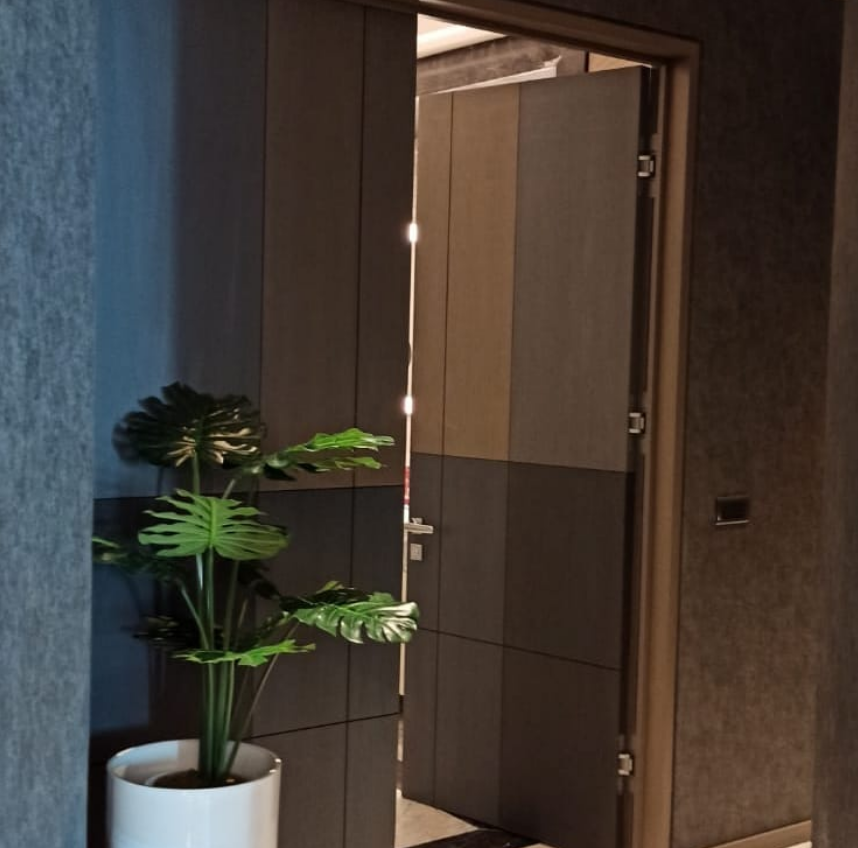
Butik Otel Mobilyaları
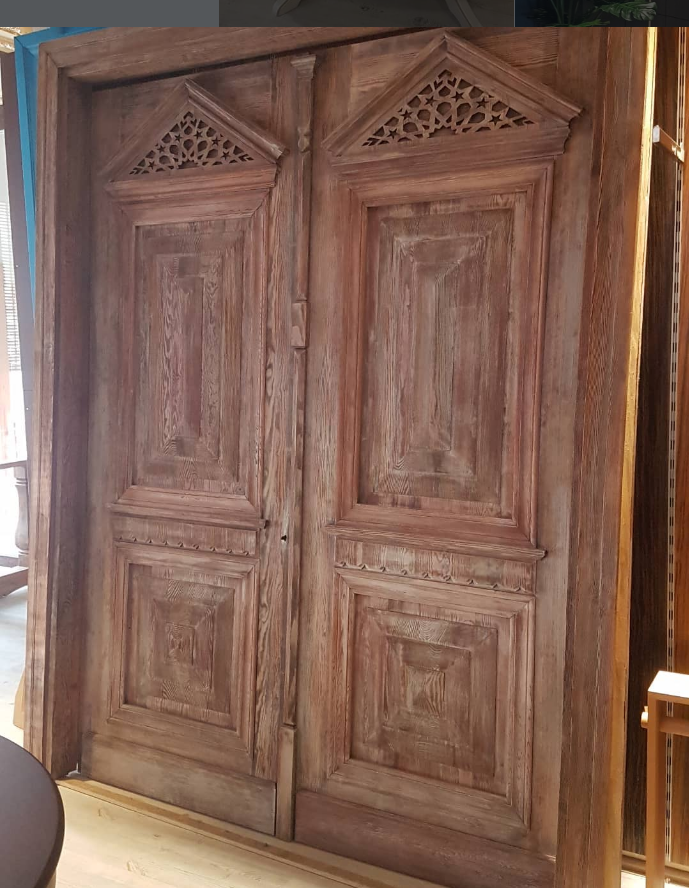
Butik Otel Mobilyaları
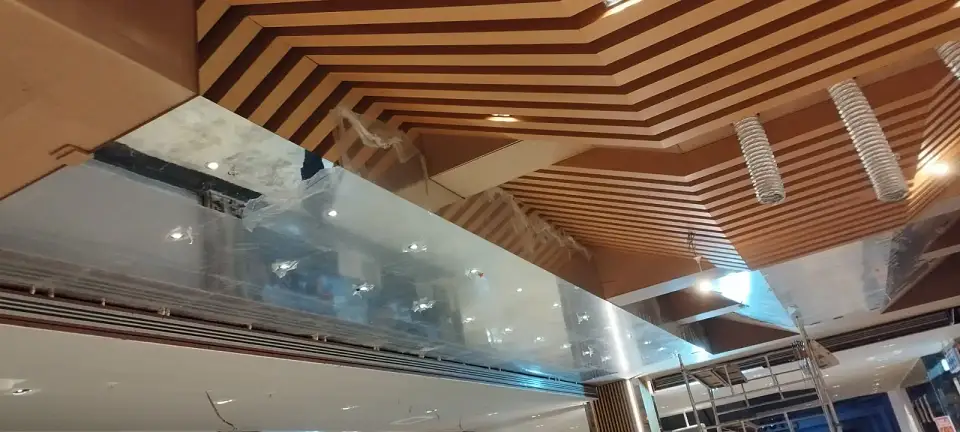
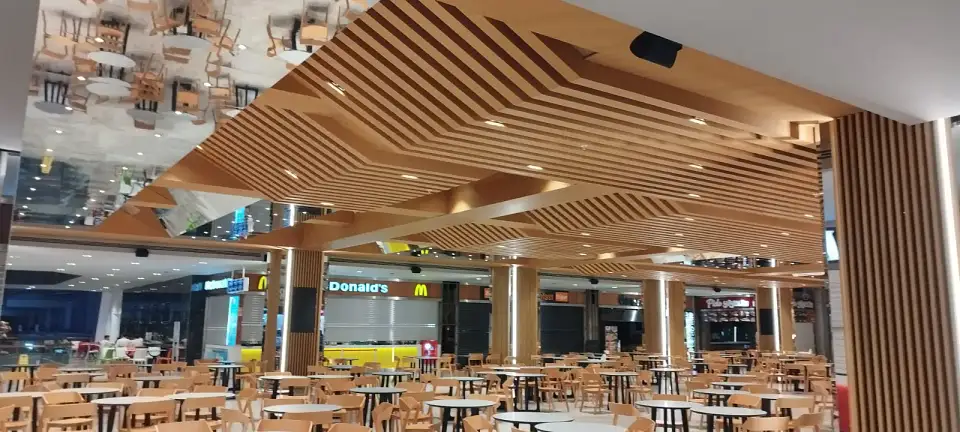
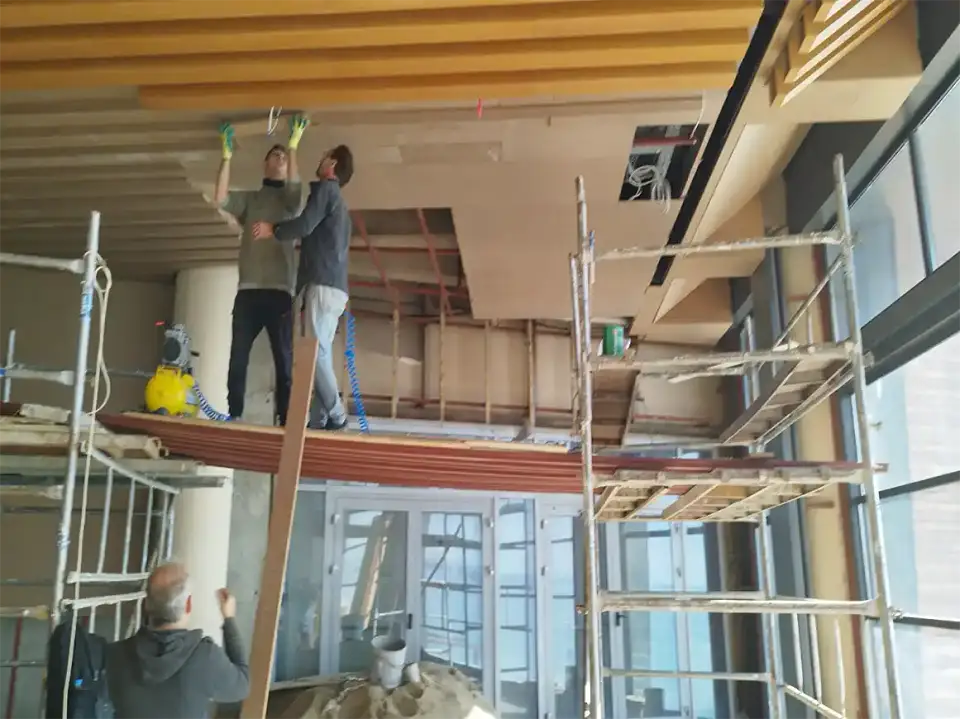
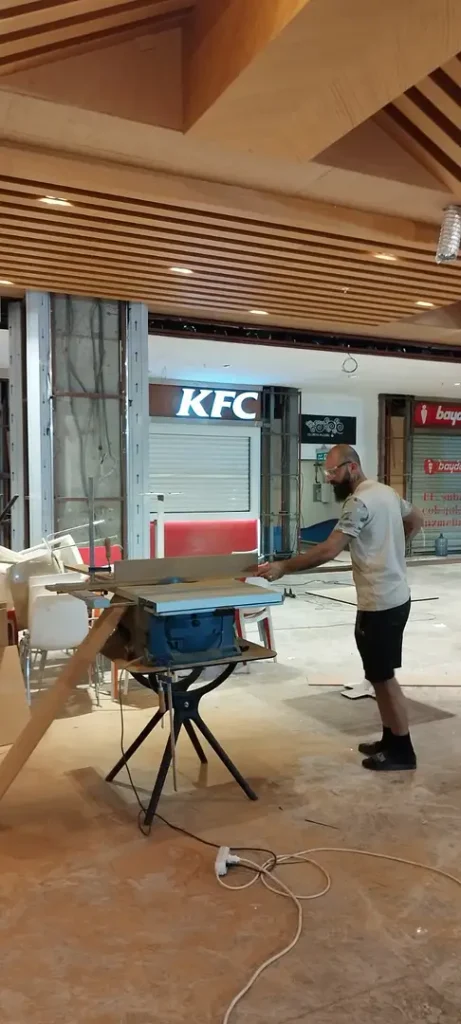
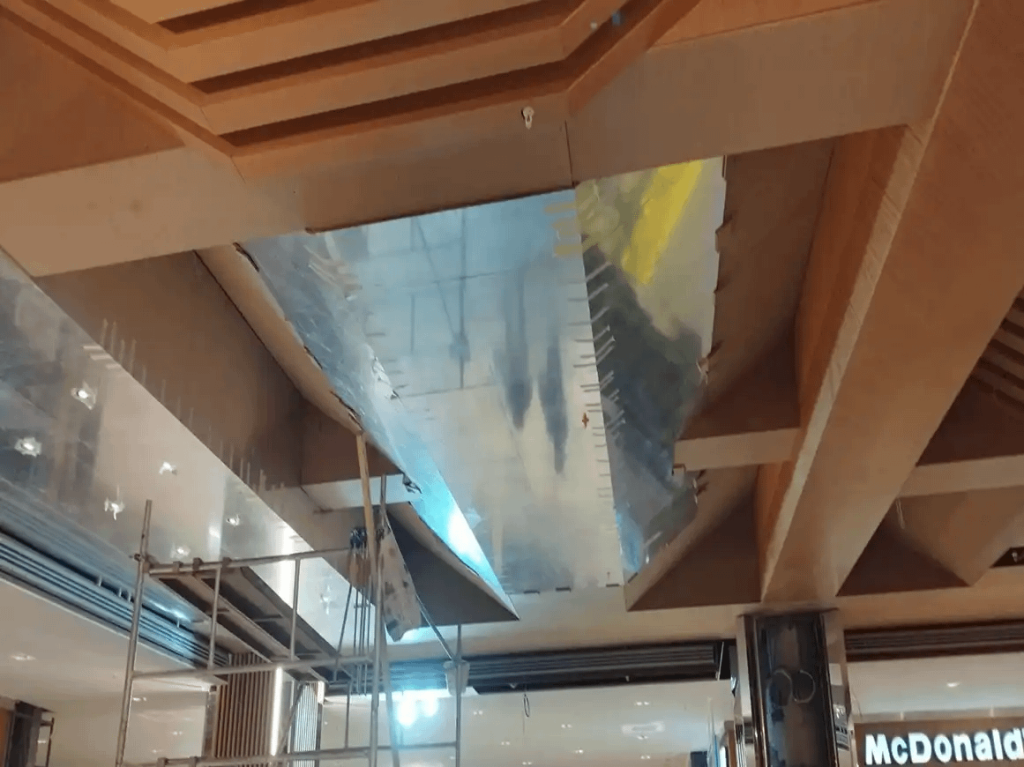
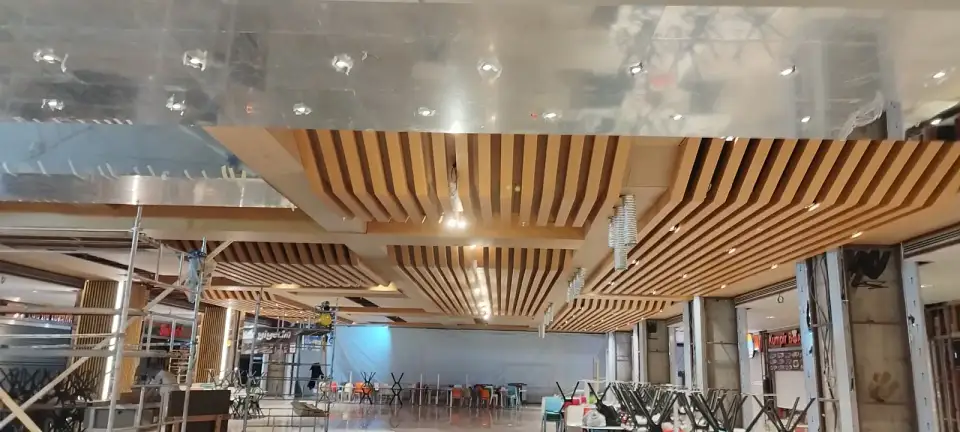
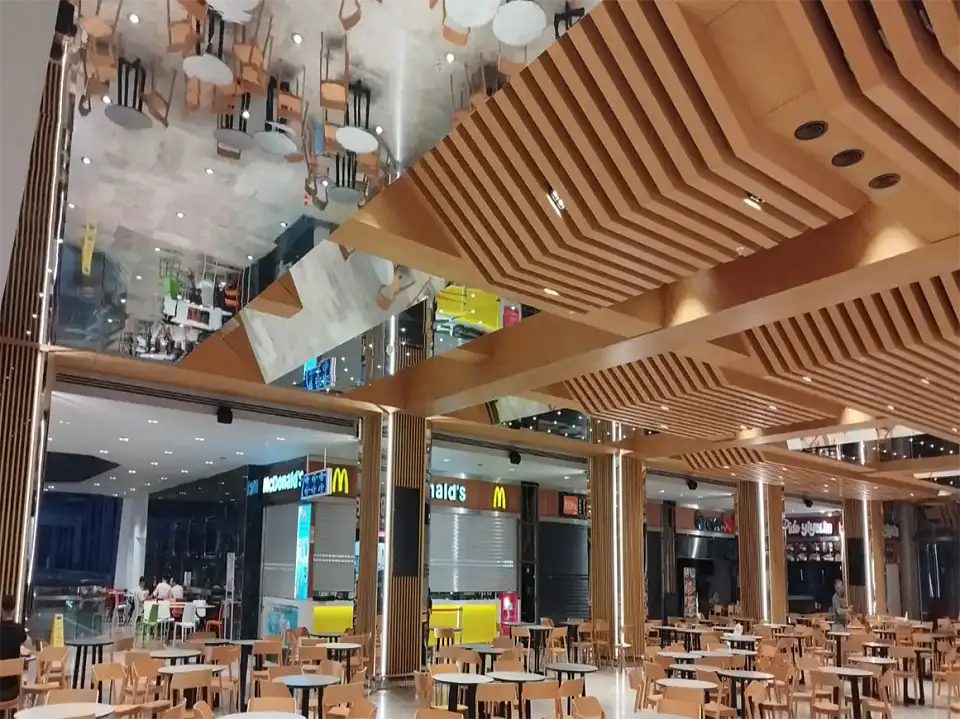
Tarihi Binaların Ahşap Dekorasyonları
Tarihi Ahşap restorasyonlari Kapılar
Tarihi binaların mobilya dekorasyonları
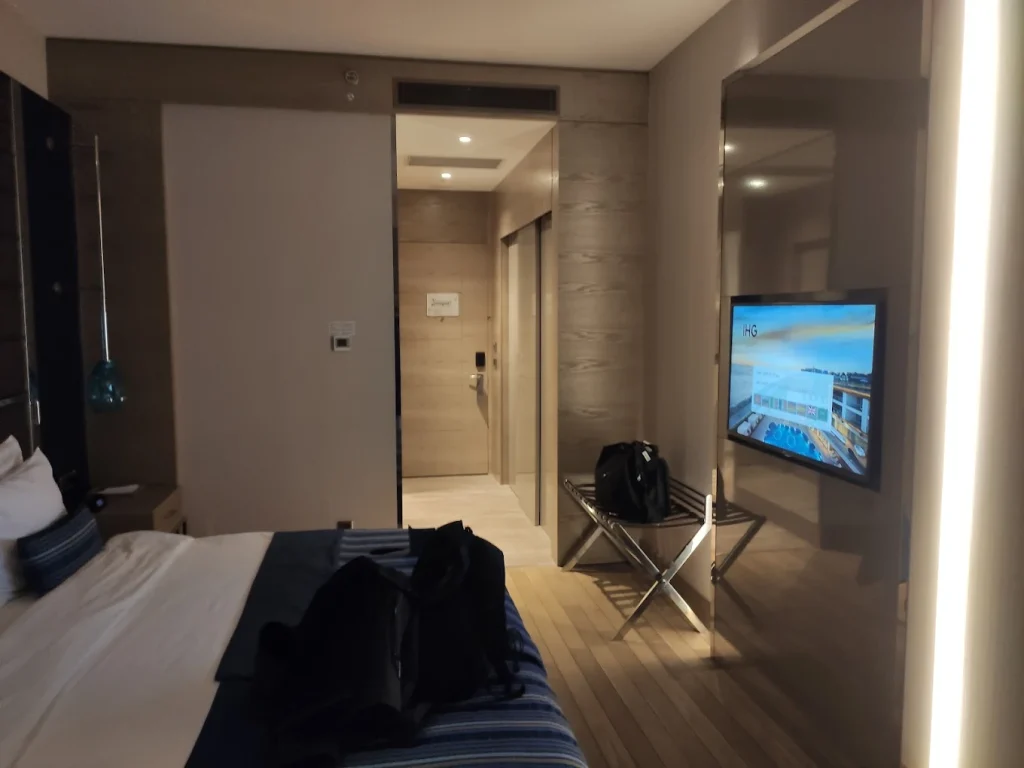
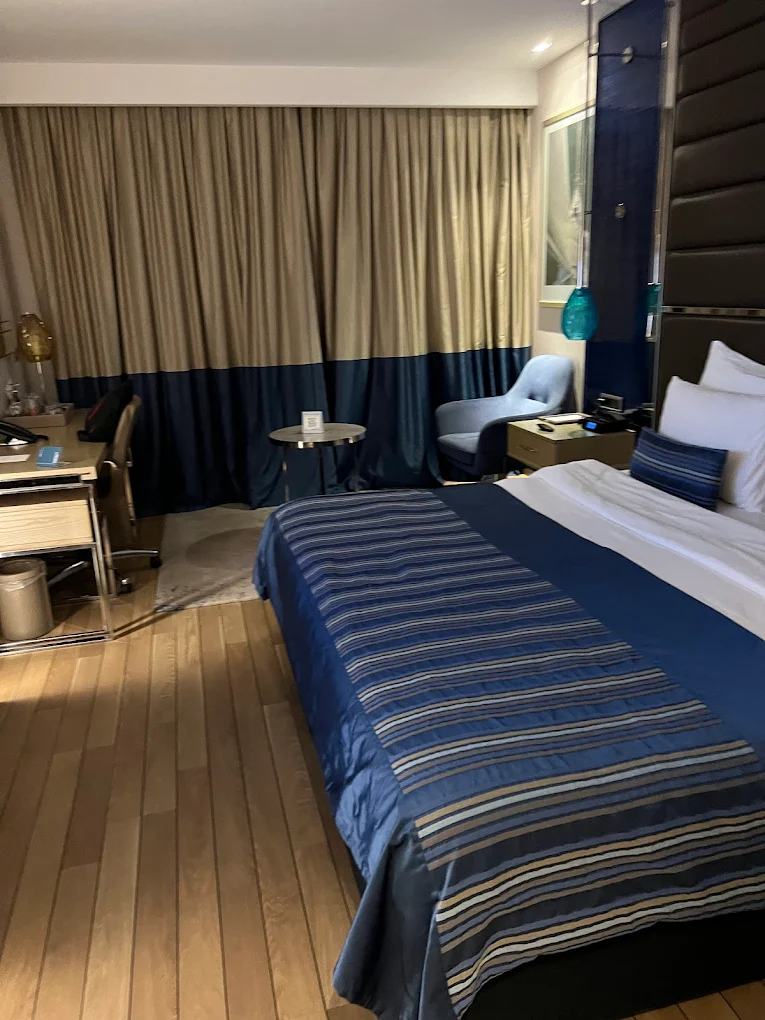

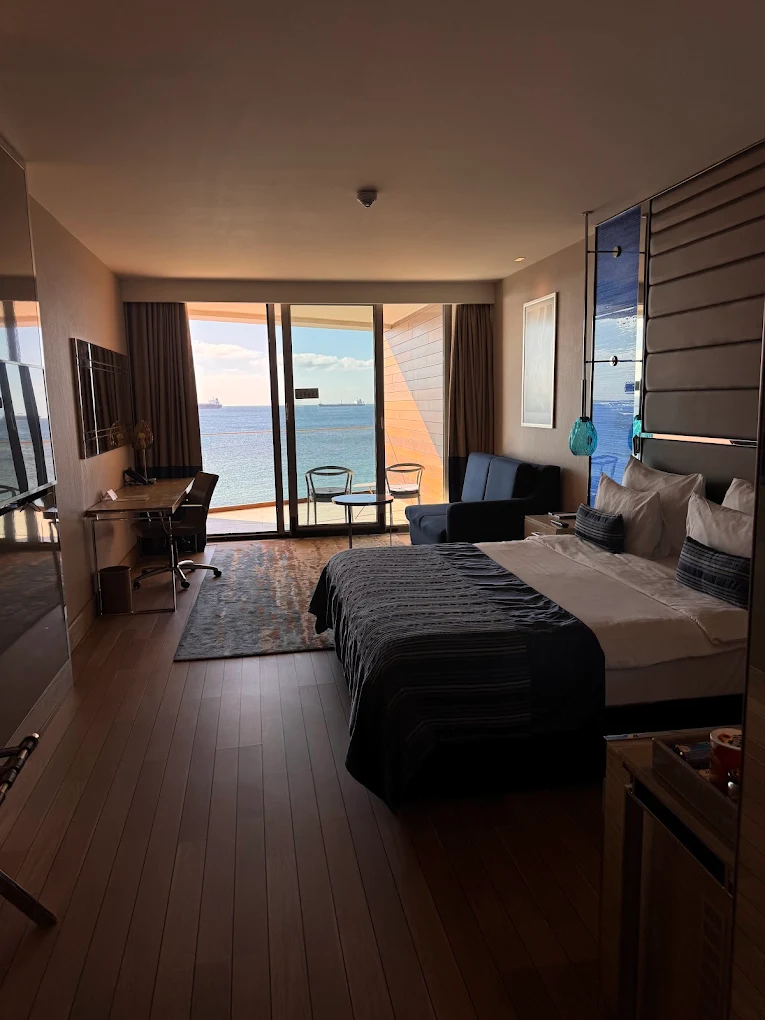
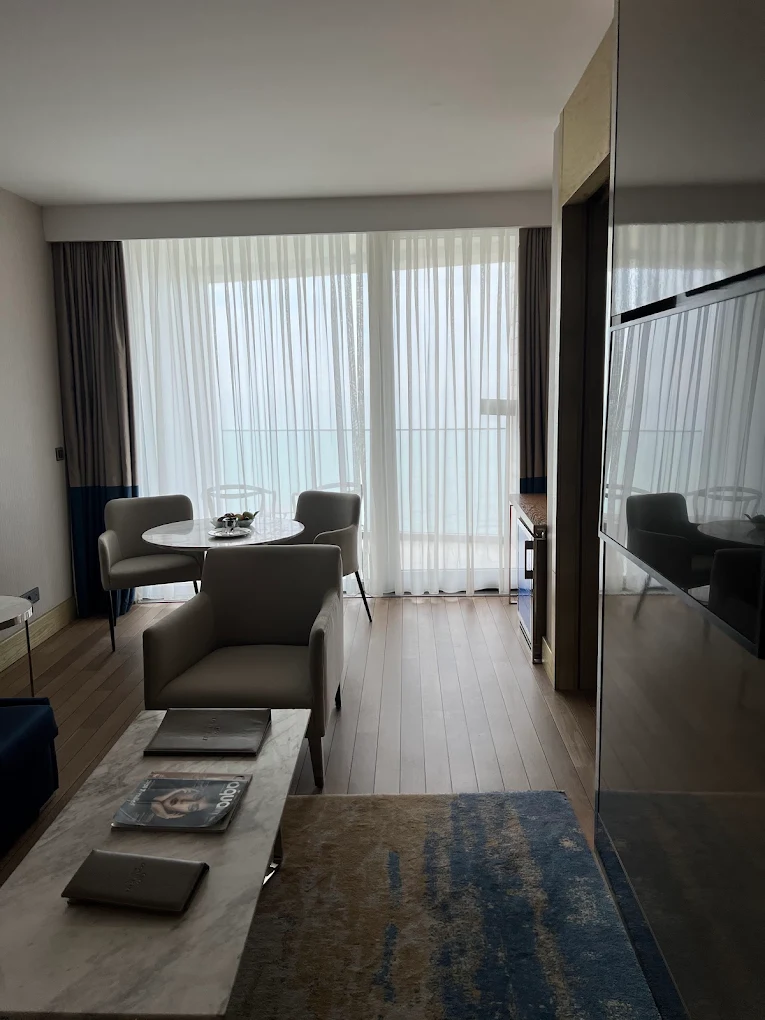
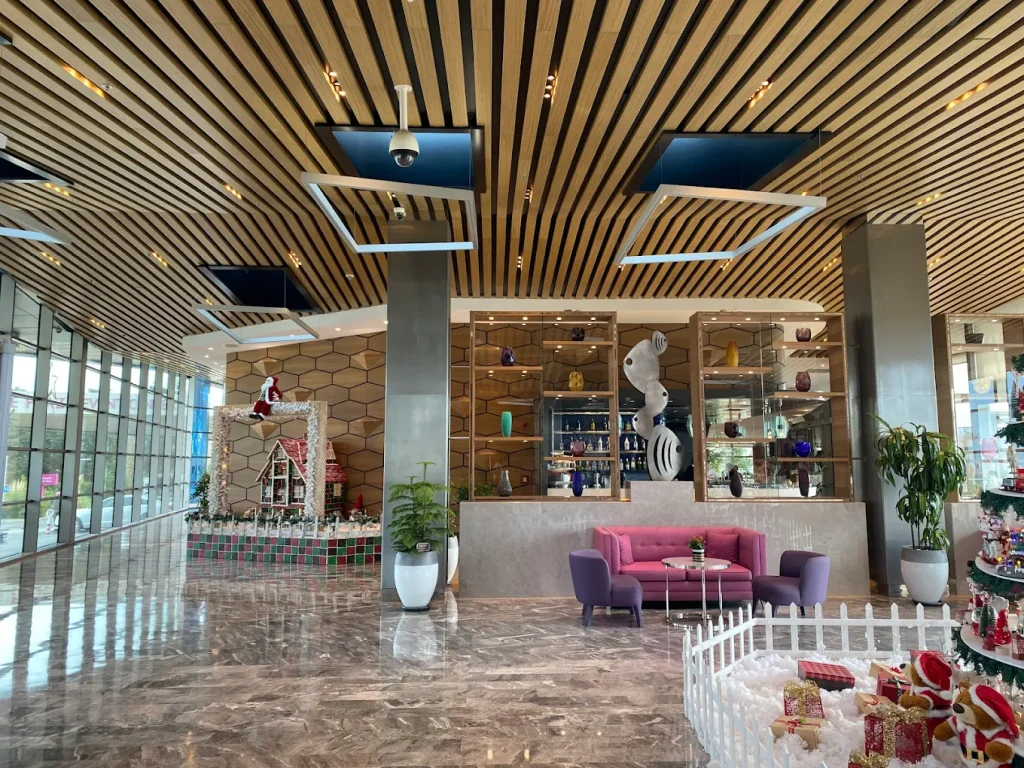
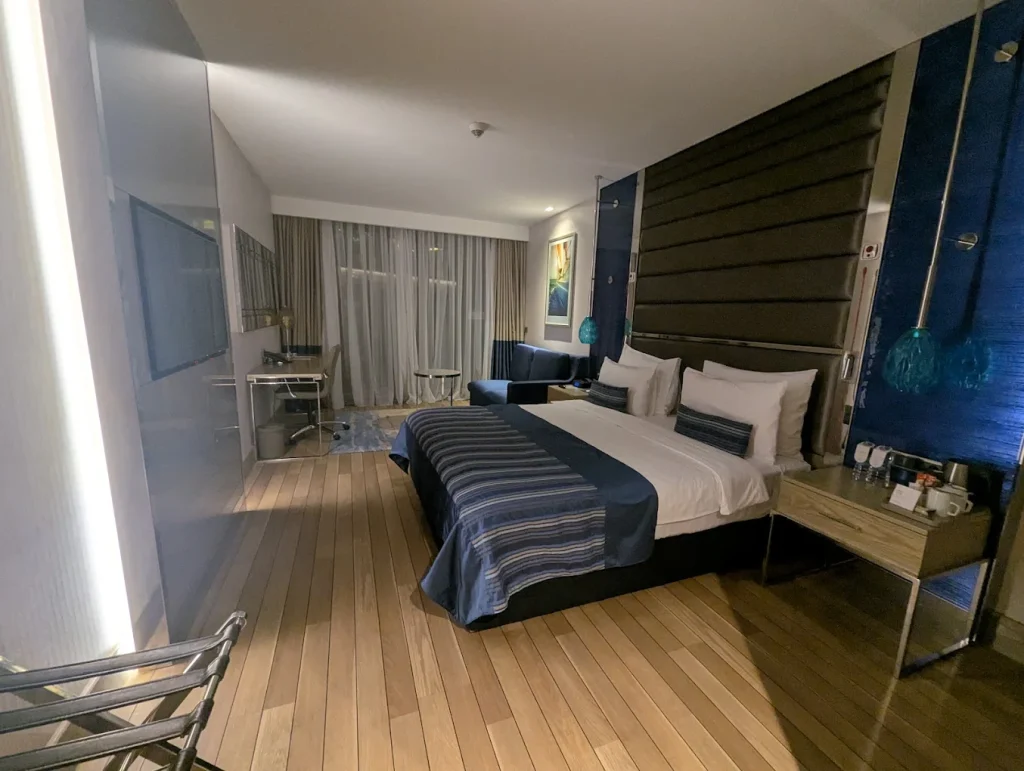

Butik Otel Mobilyaları
Etiket:Distressed Wood Hotel Furniture Turkey, Hotel Doors Turkey, Hotel Entrance Furniture Turkey, Hotel Furniture Decoration Turkey, Hotel Furniture Istanbul Turkey, Hotel Furniture Manufacturing Turkey, Hotel Furniture Turkey, Hotel Lobby Furniture Turkey, Hotel Room FurnitureTurkey, Hotel Wood Decoration Turkey, Luxury Hotel Furniture Turkey, Solid Wood Hotel Furniture Turkey, Wooden Hotel Furniture Turkey

Şunları da sevebilirsiniz
Pozantı Otel Mobilyaları | Adana Otel Mobilya Üretimi
Saimbeyli Otel Mobilyaları | Adana Otel Mobilya Üretimi