Hotel Doors Turkey
Hotel Doors Turkey: The Definitive B2B Procurement and Engineering Guide
A hotel guestroom door is not a simple architectural barrier. It is a highly engineered, multifunctional assembly that serves as the primary shield for guest security, acoustic privacy, and fire life-safety. In the global hospitality sector, an entrance door assembly must balance seamless aesthetic integration with extreme physical durability, operating flawlessly hundreds of times a day.
For developers, general contractors, and procurement managers, sourcing Hotel Doors Turkey has become a premier strategic solution. The Turkish door manufacturing sector has evolved from localized workshops into a highly automated, heavy industrial powerhouse. Operating out of advanced manufacturing clusters, Turkish door manufacturers combine state-of-the-art European CNC machinery with vertically integrated material sourcing. This allows them to deliver certified fire-rated, acoustically insulated, and electronically integrated door sets that comply fully with rigorous international building codes at an optimized cost structure.
This comprehensive guide analyzes the mechanical engineering specifications, regulatory compliance frameworks, testing certifications, material science, and supply chain logistics required when procuring Hotel Doors Turkey for global hospitality projects.
1. The Complex Engineering Parameters of Contract-Grade Hotel Doors
Residential internal doors focus primarily on basic privacy and aesthetics. In contrast, hospitality door assemblies must perform under continuous structural loading, microclimatic temperature variations, and strict life-safety laws. Procuring Hotel Doors Turkey means partnering with industrial engineers who design complete door sets—including the leaf, frame, architraves, seals, and hardware—as a single, high-performance system.
Guest Access & Impact ➔ Multi-Layer Acoustic Dampening ➔ Expandable Fire Barriers ➔ Industrial Structural Longevity
Mechanical Integrity and Cyclic Fatigue Resistance
Hotel doors face constant impacts from luggage carts, heavy suitcases, housekeeping equipment, and forceful closings. To prevent sagging, warping, or delamination, the core structure must possess high structural elasticity and density.
Premium Turkish manufacturers replace hollow-core configurations with solid-core designs utilizing multi-layered engineered timbers or high-density tubular particleboard. These door sets undergo grueling cyclic fatigue testing—such as EN 1191 or ANSI/BHMA A156.115—enduring over 200,000 to 500,000 continuous opening and closing cycles without showing signs of structural sagging, hinge loosening, or mechanical failure.
Microclimatic Deflection Control
Hotel corridors are kept at a constant, air-conditioned temperature. However, the guestroom interior may experience vastly different temperatures and humidity levels due to individual guest preferences or steam from an open bathroom door.
This atmospheric imbalance causes severe structural stress, tempting standard wood doors to bow or twist. Turkish engineering firms build Hotel Doors Turkey to comply with EN 1121 Climate Classes (Class 3 / Climate C). By embedding concealed, adjustable steel tension rods or stabilizing aluminum vapor barriers inside the multi-layer core, the door leaf remains perfectly flat, preventing alignment issues with the latch and lock.
Complete Architectural Fire and Smoke Containment
A guestroom entrance door is a critical fire separation barrier. In the event of a fire, it must contain flames, radiant heat, and toxic smoke within the room of origin to protect the corridor evacuation paths.
Turkish specialized manufacturers use fully integrated processing lines to construct certified fire door sets. These leaves feature fire-retardant mineral boards, magnesium oxide cores, and specialized intumescent graphite strip seals embedded into the outer perimeter grooves. When temperatures exceed 140°C, these seals expand up to 25 times their original volume, completely locking out oxygen and preventing deadly smoke from entering the escape routes.
2. Turkey’s Primary Industrial Manufacturing Clusters for Hospitality Doors
The Turkish door manufacturing industry is highly specialized and grouped into distinct geographical zones. Vetting the technical capabilities of each manufacturing cluster allows B2B buyers to match their specific project scale, fire-rating requirements, and budget with the right factory network.
| Manufacturing Cluster | Specialization and Technical Focus | Core Substrate & Technology | Ideal Project Application |
|---|---|---|---|
| Kayseri Industrial Zone | High-volume automated production, heavy steel security doors, commercial fire doors. | Galvanized steel sheets, automated powder lines, mineral wool cores. | Economy & Midscale Chains, Megaprojects, High-Security Venues. |
| İnegöl & Bursa Cluster | Mass customization of wooden doors, premium veneered finishes, lacquered systems. | High-density HDF, MR-MDF, automated UV-cured painting lines. | 4-Star & 5-Star Business Hotels, Massive Extended-Stay Resorts. |
| Istanbul (Tuzla & Hadımköy) | High-end bespoke engineering, luxury architectural millwork doors, hidden frames. | Marine-grade plywood, exotic rare veneers, PVD metals, smart home tech. | Luxury 5-Star Flagships, Elite Boutique Hotels, Superyacht Suites. |
| Kastamonu Region | Mass raw material processing, door skin manufacturing, economic molded panels. | Pressed HDF skins, tubular wood particleboard cores, melamine faces. | Budget Hotels, Student Housing Projects, Large Housing Blocks. |
Kayseri: The Automated Powerhouse for Fire and Security Doors
Kayseri houses some of the largest, most automated metal and composite door factories in the EMEA region. These facilities feature heavy-duty automated lines that punch, bend, laser-weld, and powder-coat sheet steel and mineral cores with absolute precision. If a hospitality project requires thousands of heavy-duty, certified fire-rated doors (FD30 to FD120) with strict tolerances and fast turnaround times, Kayseri factories provide the massive industrial capacity needed to hit tight deadlines.
İnegöl (Bursa): The Wooden Veneer and Lacquer Expert
İnegöl focuses on high-precision woodwork and fine surface finishes. The factories in this cluster utilize advanced Italian and German machining centers (Homag, SCM, Cefla) to apply real wood veneers, high-pressure laminates (HPL), and multi-layer lacquers. If your design concept relies on continuous wood grain patterns traveling seamlessly from the wall paneling right across the guestroom doors, İnegöl factories offer the advanced craftsmanship and technical equipment required to execute the look flawlessly.
3. Deep-Dive Material Science: Core Configurations and Substrates
The internal composition of a hotel door determines its fire resistance, acoustic insulation, weight, and long-term durability. When sourcing Hotel Doors Turkey, procurement teams must analyze the cross-section core specifications to ensure they match the project’s acoustic and life-safety requirements.
[Outer Face Finish: Veneer/HPL] ➔ [Stabilizing HDF Layer] ➔ [High-Density Solid Core] ➔ [Solid Wood Perimeter Stile]
High-Density Tubular Particleboard Core (Sauerland Spanplatte Type)
For standard, non-fire-rated guestrooms or high-traffic interior doors, Turkish manufacturers utilize high-density tubular or extruded particleboard cores sourced from top European suppliers:
- Structural Stability: The tubular air chambers reduce the overall weight of the door leaf by up to 40% compared to solid wood, lowering the stress placed on hinges and closers.
- Acoustic Performance: Despite the lighter weight, the varying density of the hollow tubes breaks up sound wave transmission, easily achieving an airborne acoustic insulation rating of 28dB to 32dB.
- Impact Resistance: This core delivers high compressive strength, ensuring the face of the door will not dent or puncture when hit by rolling luggage.
Solid Mineral and Composite Cores for Certified Fire Protection
For projects requiring 30, 60, or 90 minutes of verified fire containment, Turkish factories replace wood cores with specialized, non-combustible mineral compositions:
- Magnesium Oxide (MgO) & Calcium Silicate Boards: These structural mineral cores do not burn, melt, or emit toxic gases when exposed to extreme heat. They act as a powerful thermal shield, preventing the non-fire side of the door leaf from overheating.
- Solid Hardwood Perimeters: The mineral core is framed by a solid wood stile made from kiln-dried, fire-retardant treated beech or oak. This provides an incredibly secure hold for mounting heavy commercial hinges, locks, and automatic drop-seal hardware.
High-Density Fiberboard (HDF) Stabilizing Layers
Before applying decorative surface finishes like real wood veneer or laminate, the internal core is sandwiched between sheets of engineered High-Density Fiberboard (HDF):
- Density Metrics: Premium Turkish factories use HDF with a density exceeding \(800\text{ kg/m}^3\), rather than standard MDF.
- Telegraphing Prevention: The high density of HDF creates a perfectly flat, stiff surface. This prevents internal core patterns from “telegraphing” through to the outer decorative finish over time, keeping the face of the door looking flawlessly smooth.
4. Acoustic Engineering and Decibel Isolation Frameworks
One of the most frequent complaints in online hotel reviews is noise traveling from the main corridor into the guestroom. Corridors experience constant foot traffic, loud conversations, elevator chimes, and rolling luggage. Sourcing Hotel Doors Turkey connects projects with acoustic engineers who treat the entire door opening as a specialized sound barrier system.
Acoustic Isolation Core ➔ Perimeter Perimeter Gaskets ➔ Heavy-Duty Drop Seals ➔ Noise Reductions (38dB - 44dB)
Decibel (dB) Performance Tiers
Hospitality acoustic standards require specific, verified sound transmission reductions based on the property’s luxury classification:
- 3-Star / Economy Tiers: Requires a minimum field performance rating of Rw 32dB to 35dB.
- 4-Star / Business Tiers: Requires a targeted performance rating of Rw 38dB to 40dB.
- 5-Star / Ultra-Luxury Flagships: Requires an acoustic isolation rating of Rw 42dB to 45dB+ for guestroom entrances.
Layered Multi-Density Acoustic Cores
To block low-frequency sounds (like heavy footsteps or closing elevator doors) along with high-frequency noise (like laughter or high-pitched voices), Turkish engineers design layered, multi-density cores. They combine heavy solid wood fibers, acoustic cork sheets, synthetic rubber membranes, and mineral boards. Each material layer features a different density, causing sound waves to lose energy and dissipate as they attempt to pass through the door leaf.
Perimeter Gaskets and Automatic Mechanical Drop Seals
An acoustic door will fail completely if there are gaps around its edges. A tiny 2mm gap at the base of a door can cut its sound-blocking capability in half. Turkish manufacturers seal these gaps using a multi-layered acoustic defense system:
- Dual-Acoustic Perimeter Gaskets: The door frames feature precision-machined grooves fitted with soft, dual-durometer EPDM or silicone compression gaskets. When the door closes, the leaf presses firmly against these seals, blocking air and sound leaks.
- Automatic Heavy-Duty Mechanical Drop Seals: Embedded into a concealed channel along the bottom edge of the door leaf is a spring-loaded mechanical drop seal (such as Schall-Ex or planet-type systems). The moment the door leaf hits the frame, a heavy-duty actuator pin drives a thick neoprene gasket straight down against the floor threshold, completely blocking sound leaks without scratching the floor.
5. Global Fire Safety Standards and Testing Protocols
Fire compliance is a strict legal requirement across the global hospitality sector. Elite factories specializing in Hotel Doors Turkey build and certify furniture to meet your destination market’s exact regulations, working with leading international testing labs like Intertek, SGS, and Bureau Veritas.
Factory Production Line ➔ Third-Party Burn Testing ➔ Continuous Lab Audits ➔ Certifications (BS / EN / UL)
European and British Standards: EN 1634-1 and BS 476
For hospitality developments throughout Europe, the United Kingdom, the Middle East, and parts of Africa, door sets must pass rigorous, full-scale fire testing:
- Integrity (E / FD): Measures the door set’s ability to prevent flames and hot gases from physically breaking through the assembly.
- Insulation (I): Measures the door’s ability to limit temperature rises on the unexposed face, preventing radiant heat from igniting materials in the escape corridor.
- Common Ratings: Turkish producers supply certified E30/EI30 (30-minute) and E60/EI60 (60-minute) wooden door sets, along with heavy EI120 (120-minute) steel structural doors for main service risers and stairwell exits.
North American Standards: UL 10C and NFPA 252
For hotel projects across the United States, Canada, and Latin America, door assemblies must comply with positive-pressure fire tests:
- The Hose Stream Test: After surviving an intensive furnace burn at temperatures exceeding 900°C, the hot door assembly is blasted with a high-pressure water hose stream. The door frame, hinges, and lock must hold together perfectly without allowing the water stream to pierce the assembly.
- Labeling Compliance: Elite Turkish export factories maintain active Warnock Hersey (WH-ETL) or UL (Underwriters Laboratories) factory auditing programs. This allows them to apply valid metal certification tags directly to the door stiles on the assembly line, ensuring problem-free inspections by local building officials.
6. Smart Lock Hardware Integration and Structural Joinery
A hotel door must integrate seamlessly with advanced hospitality technology, including RFID proximity readers, Bluetooth Low Energy (BLE) smart locks, and electronic door position sensors. Sourcing Hotel Doors Turkey ensures your doors arrive on-site pre-machined, with internal wire channels and lock pockets cut cleanly into the door structure at the factory.
Precision CNC Routing ➔ Internal Wire Raceways ➔ Reinforced Hinge Pockets ➔ Seamless Lock Deployment
Factory CNC Routing and Electronic Preparation
Attempting to cut pockets for electronic mortise locks or drill wiring paths by hand on a busy construction site can ruin expensive finishes and compromise fire ratings. Turkish factories use multi-axis CNC machinery to pre-engineer every opening before finishing the door faces:
- Concealed Internal Wire Raceways: A continuous wire channel is drilled straight through the solid core from the hinge side over to the lock pocket, allowing power cables for online card readers or electronic privacy signs to be routed cleanly and invisibly.
- Pre-Bored Lock and Handle Pockets: Pockets for major commercial locks (such as Assa Abloy, VingCard, Dormakaba, or Salto) are routed out based on precise digital templates, ensuring a perfect fit with zero movement or latch misalignment.
Architectural Frame Engineering and Sub-Frames
The door frame must carry the weight of a heavy, acoustic solid-core door leaf without shifting or sagging over time. Turkish manufacturers engineer robust frame systems tailored to different wall types:
- Solid Hardwood and Blockboard Frames: For luxury guestrooms, frames are constructed from thick, multi-layered blockboard or solid European beechwood to prevent warping and provide high screw-holding power.
- Adjustable Telescopic Architraves: Frames include a smart, telescopic tongue-and-groove architrave system. This allows the trim to adjust smoothly to varying wall thicknesses on-site, hiding uneven drywall or masonry work perfectly.
- Heavy-Duty Adjustable 3D Hinges: Doors are hung using premium, recessed 3D adjustable hinges (such as Simonswerk Tectus or Kubica systems). These heavy-duty hinges are completely invisible when the door is closed and allow installation crews to adjust the leaf across three axes for a tight, consistent seal.
7. Premium Surface Finishes and Aesthetic Customization
While internal engineering keeps guests safe and comfortable, the exterior finish of the door must align with the hotel’s luxury design language. Sourcing Hotel Doors Turkey provides access to a massive variety of high-durability, contract-grade surface treatments.
Natural Wood Veneers and Engineered Finishes
- Artisan Veneer Selection: Sourcing from premium regional timber networks, Turkish workshops select and slice rich natural woods like American walnut, European oak, crown-cut ash, and exotic Alpi engineered veneers.
- Book-Matching and Pattern Alignment: Multi-axis matching machines compose veneer sheets to create striking mirrored grain patterns, ensuring a consistent look across consecutive guestroom doors along a corridor.
High-Pressure Laminates (HPL) and CPL
For select-service hotels, extended-stay properties, and heavy-use family resorts, designers often swap natural wood for high-performance laminates:
- Extreme Wear Resistance: Brands like Formica, Egger, or domestic laminates are applied using heavy industrial presses. These surfaces resist impact scratches, chemical cleaning streaks, and fading from UV light.
- Antibacterial Surface Options: Silver-ion infused laminates are available to actively inhibit bacterial growth on high-touch surfaces, adding an extra layer of hygiene to busy public properties.
Industrial Multi-Coat Lacquer Systems
For clean, modern interior styles that call for flawless matte or high-gloss solid colors, Turkish paint lines utilize specialized cleanrooms:
- Automated Spray Lines: Multi-stage automated spray machines apply sanders, primers, and topcoats evenly across the panels.
- Anti-Yellowing Polyurethane Finishes: Surfaces are protected with tough acrylic or polyurethane finishes that block UV rays, keeping crisp whites and deep colors from yellowing or fading over time.
8. The End-to-End B2B Sourcing Lifecycle and Procurement Steps
Sourcing custom Hotel Doors Turkey requires a structured, step-by-step approach to keep production on track, control costs, and ensure everything is built to specification.
Tender/RFQ Pack ➔ Value Engineering (VE) ➔ Full Mock-Up Room ➔ Mass Factory Production ➔ Third-Party Inspection ➔ Global Shipping
1. The Tender and RFQ Phase
The procurement process begins with a detailed Request for Quote (RFQ) package. To get fast, accurate pricing, ensure your package contains:
- Complete architectural door schedules showing dimensions, wall thicknesses, and swinging directions.
- Required Performance Metrics (e.g., Fire rating: FD30/EI30; Acoustic insulation: 38dB).
- Approved hardware schedules specifying lock brands, handles, hinges, and automatic closers.
- Decorative finish requirements (e.g., specific veneer codes, laminate brands, or RAL paint codes).
2. Value Engineering (VE) and Manufacturing Optimization
During this phase, factory production engineers review the designs to optimize production processes and reduce material waste without compromising style or strength:
- Recommending alternative, cost-effective materials, such as replacing a low-use vertical wood veneer with a matching, durable laminate surface.
- Adjusting interior construction layouts to maximize material use from standard sheets, lowering raw material costs.
- Streamlining complex internal joints to reduce manual assembly time, which speeds up factory production.
3. The Prototype Mock-Up Validation
Before starting mass production, reputable Turkish manufacturers build full-scale prototypes of key furniture pieces:
- Physical Inspection: The hotel owner, interior designer, and procurement team check the physical furniture to verify proportions, material finishes, and seating ergonomics.
- Functional Hardware Testing: Teams test integrated elements, making sure wire management flaps, drawer slides, and built-in lighting operate smoothly.
- Production Refinement: The factory uses this phase to optimize assembly steps, ensuring consistent quality across the entire mass production run.
9. Factory Quality Control and Compliance Audits
To guarantee your guestroom furniture holds up under years of heavy use, factories must follow strict, structured quality assurance steps at every stage of production.
Raw Material Inspection ➔ CNC Precision Calibration ➔ Post-Assembly Structural Audit ➔ Packing Compliance Sign-Off
Essential Quality Management Certifications
When vetting potential manufacturing partners in Turkey, verify that the factory holds these recognized international quality and operations certifications:
- ISO 9001 (Quality Management System): Confirms the factory uses consistent, well-documented workflows from the initial design phase through final production.
- ISO 14001 (Environmental Management System): Validates that the manufacturer uses sustainable production methods, manages waste responsibly, and minimizes environmental impact.
- ISO 45001 (Occupational Health and Safety): Ensures the factory maintains a safe, fair, and healthy working environment for its entire team.
Testing Structural Strength and Mechanical Durability
Contract public furniture must pass rigorous physical testing to ensure it can safely handle heavy daily use in busy communal spaces:
- Static Load and Impact Testing: Lounge seating undergoes mechanical stress testing (such as EN 1728 or ANSI/BIFMA X5.4) where automated machinery runs thousands of compression cycles on seats, backs, and arms to simulate years of heavy use.
- Functional Cycle Testing: Drawer tracks, cabinet glides, and heavy reception cabinet hinges are tested over 50,000+ open-and-close cycles to ensure they will not loose, sag, or fail over time.
10. Heavy-Duty Export Packaging and Ocean Freight Logistics
Transporting large volumes of custom public area furniture from a Turkish factory to an international site requires robust packaging and careful shipping coordination.
Multi-Layered Packaging Engineering
To protect items from scratches, structural impacts, and ocean moisture during transport, furniture is packed using high-quality protective layers:
- Impact Protection: Vulnerable furniture corners are fitted with thick, high-density polyethylene foam caps and wrapped in heavy-duty corrugated edge guards.
- Surface Shielding: Polished wood veneers, delicate lacquered finishes, and premium metal accents are covered with a protective PE scratch-resistant film.
- Cushioning and Stabilization: Items are securely packed inside thick, double-wall corrugated cardboard boxes lined with expanded polystyrene (EPS) foam sheets to absorb shocks.
- Moisture Defense: Industrial silica gel packs are added to every box and container to absorb ambient moisture, preventing mold growth or wood warping during sea transit.
[Furniture Frame] ➔ [PE Scratch Layer] ➔ [EPS Foam Blocks] ➔ [Double-Wall Box] ➔ [Reinforced Wood Crate]
Smart Container Loading and Transit Efficiency
Experienced Turkish logistics teams use dedicated software to plan container loading, ensuring everything arrives safely:
- Stable Weight Distribution: Heavy casegoods, stone countertops, and metal frames form a secure base at the bottom of the container, while lighter upholstered pieces sit safely on top.
- Secure Bracing Systems: Wood blocks, cargo straps, and heavy-duty inflatable dunnage bags are installed throughout the container to stop items from sliding or tipping during rough sea conditions.
11. Sustainable Production and Green Certifications
Sustainability is now a top priority for modern hospitality brands. The Turkish furniture sector has updated its manufacturing infrastructure to meet international green building and environmental standards.
Sustainable Wood (FSC) ➔ Eco-Friendly Processing (Low-VOC) ➔ Clean Manufacturing Energy Use
Responsibly Sourced Timber Networks
- FSC Chain of Custody Certification: Leading Turkish manufacturers hold full Forest Stewardship Council (FSC) certification. This ensures that all solid woods, plywoods, and MDF cores can be traced back to legally managed, sustainable forests.
- Protecting Regional Ecosystems: Using FSC-certified timber guarantees that logging practices preserve forest biodiversity, prevent illegal logging, and protect local water basins.
Low-Emission Coatings and Healthy Indoor Air Quality
Indoor air quality is essential for guest comfort and well-being. Sustainable factories use low-emission finishes to protect indoor environments:
- E1 and E0 Engineered Wood Standards: Wood cores meet strict European E1 or E0 standards, ensuring formaldehyde emissions stay well below hazardous levels.
- Eco-Friendly Water-Based Finishes: Factories use water-based polyurethane coatings and natural oils instead of traditional solvent varnishes. This reduces Volatile Organic Compound (VOC) emissions, keeping the air clean for both production workers and future hotel guests.
12. Navigating Contracts, Incoterms, and Payment Milestones
Working with international manufacturing partners requires clear, legally binding commercial agreements to protect both parties and ensure project success.
Understanding International Commercial Terms (Incoterms)
Your production contract must clearly state which Incoterm applies, defining exactly who handles transport costs, customs clearances, and shipping risks:
- EXW (Ex Works): The buyer assumes full responsibility, managing transport and insurance from the factory floor all the way to the final hotel project site.
- FOB (Free On Board): The manufacturer manages local transport and export clearance, handing responsibility over once the containers are loaded onto the ship at the Turkish port (such as Ambarlı, İzmir, or Gemlik).
- DDP (Delivered Duty Paid): The manufacturer manages the entire shipping process, including ocean freight, import duties, local customs clearance, and final delivery directly to the hotel construction site.
Structured Payment Milestones
B2B hospitality manufacturing contracts typically use a milestone-based payment structure to keep project cash flow steady, balanced, and predictable:
30% to 40% Advance Deposit ➔ 50% to 60% Mid-Line/Post-Inspection ➔ 10% Final Performance Retainage
- Advance Deposit (30% to 40%): Paid to lock in raw material prices, book factory production slots, and start engineering shop drawings.
- Mid-Line or Post-Inspection Milestone (50% to 60%): Released after the mid-production quality inspection passes, right before containers are sealed and shipped.
- Final Balance (10%): Held as a performance retainage, released once the shipment arrives safely at the destination site or after final installation sign-off.
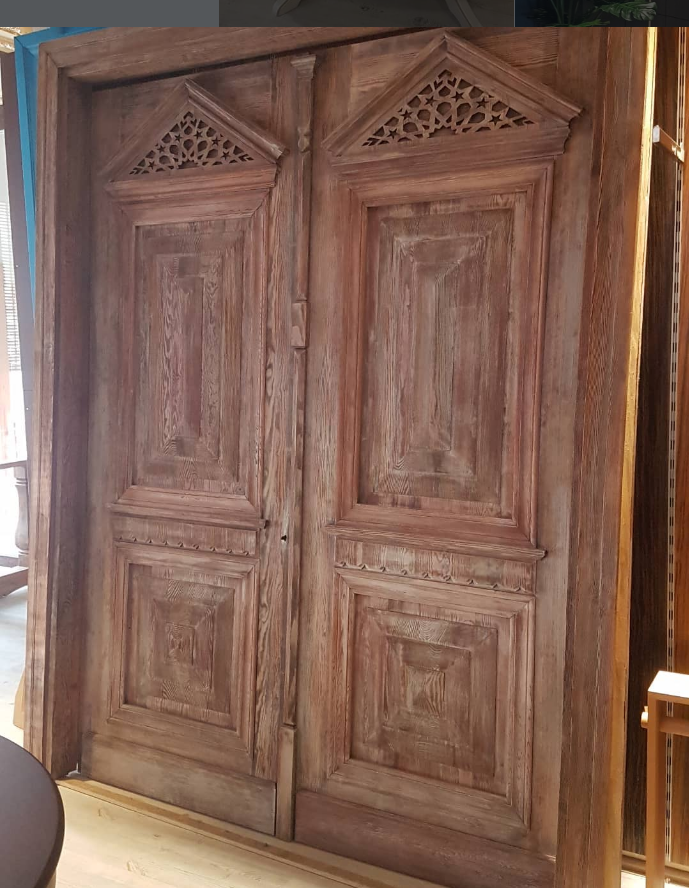
Butik Otel Mobilyaları

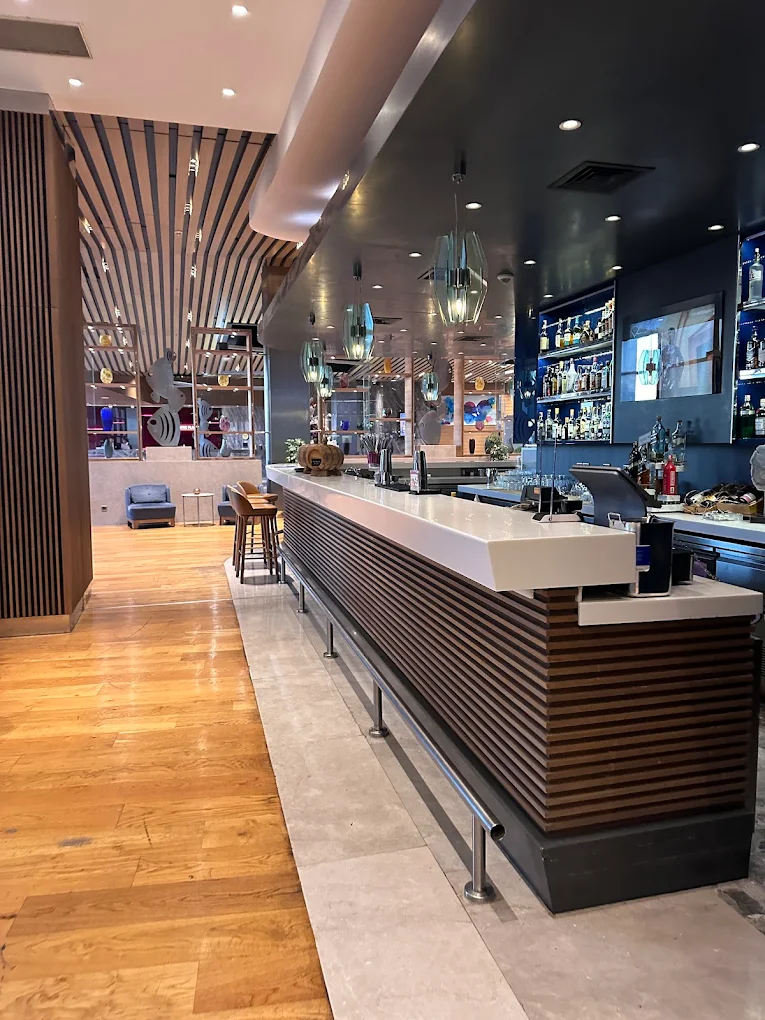
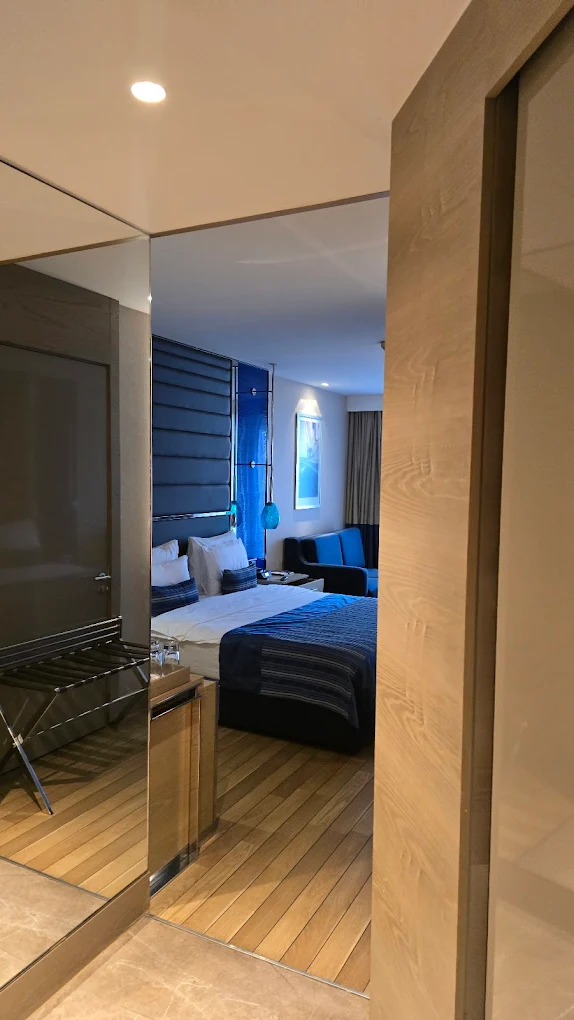
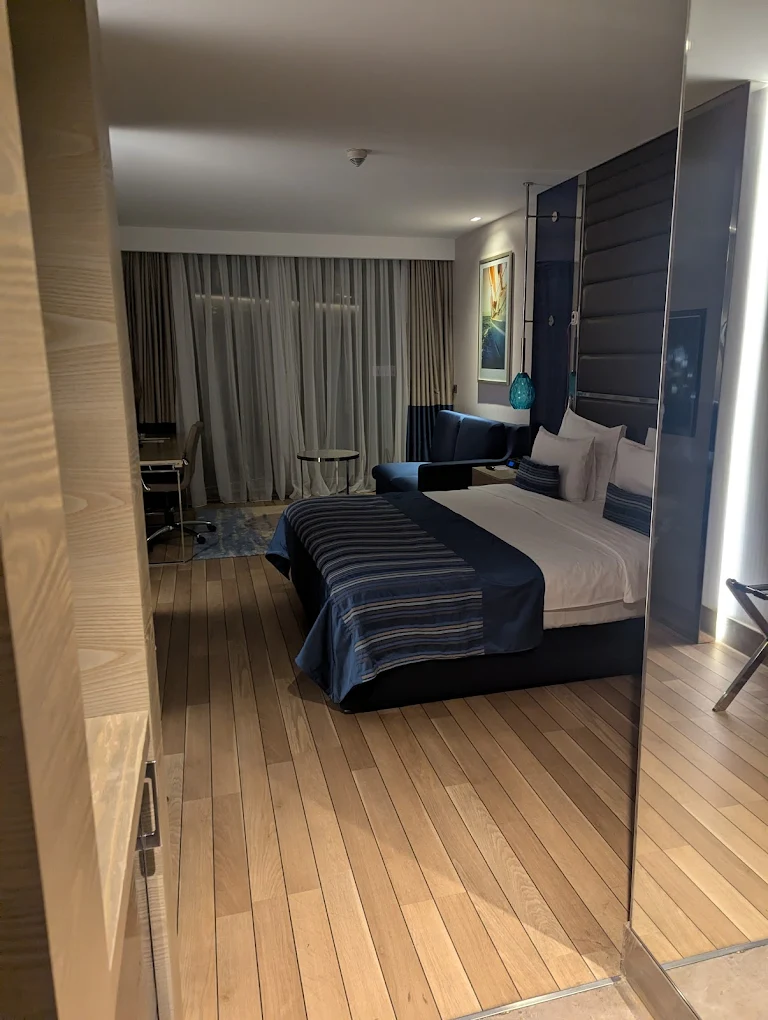
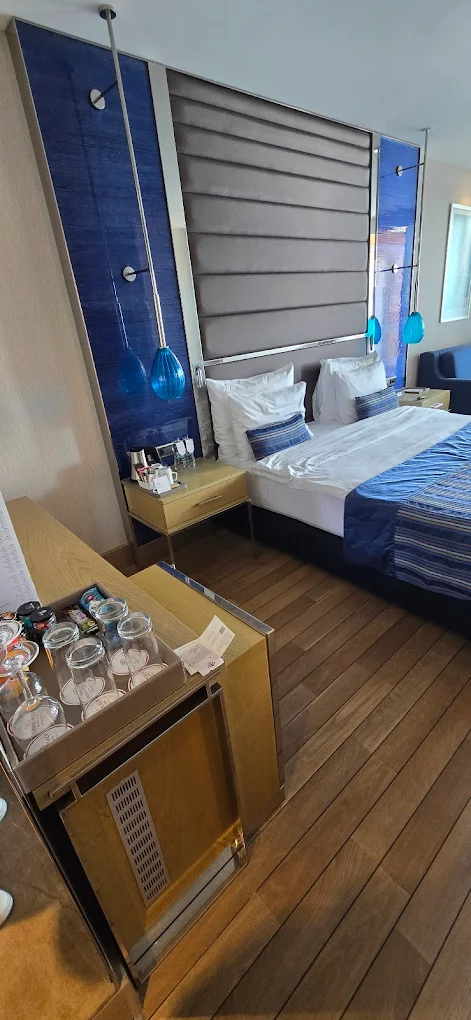

Butik Otel Mobilyaları
Etiket:Distressed Wood Hotel Furniture Turkey, Hotel Doors Turkey, Hotel Entrance and Hotel Lobby Furniture Turkey, Hotel Entrance Furniture Turkey, Hotel Furniture Decoration Turkey, Hotel Furniture Istanbul Turkey, Hotel Furniture Manufacturing Turkey, Hotel Furniture Turkey, Hotel Lobby Furniture Turkey, Hotel Room FurnitureTurkey, Hotel Wood Decoration Turkey, Luxury Hotel Furniture Turkey, Solid Wood Hotel Furniture Turkey, Wooden Hotel Furniture Turkey

Şunları da sevebilirsiniz
Pozantı Otel Mobilyaları | Adana Otel Mobilya Üretimi
Saimbeyli Otel Mobilyaları | Adana Otel Mobilya Üretimi