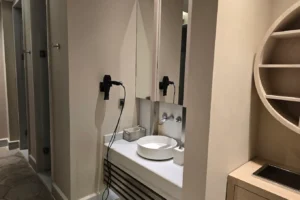
Hotel Desk Turkey
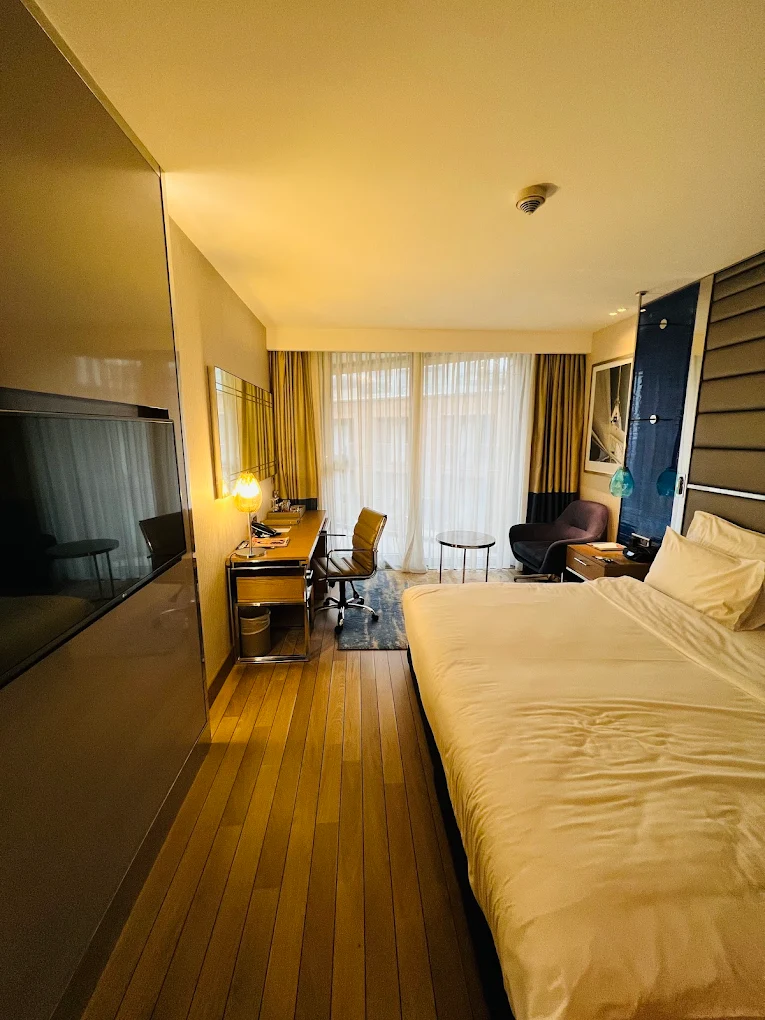
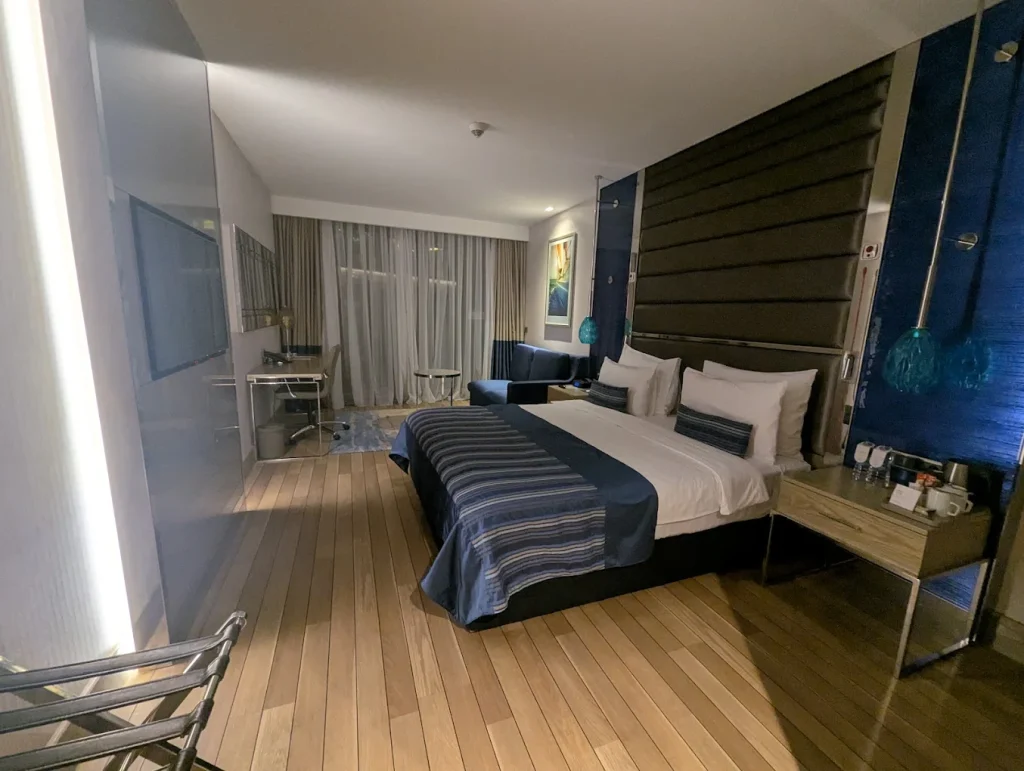
The in-room work zone represents a critical touchpoint where guest satisfaction intersects directly with institutional durability. Modern global business travelers, lifestyle digital nomads, and premium leisure guests require high-functioning, integrated, and ergonomically sound desks. For hotel developers, procurement managers, interior architects, and brand operators, specifying this furniture package requires a absolute departure from residential design methods. It demands an intricate focus on structural acoustics, robust material integrity, international regulatory compliance, and smart technological alignment. Turkey has positioned itself as an elite global epicenter for this sector, offering an expansive range of manufacturing capabilities known collectively under the definitive industry designation: Hotel Desk Turkey.
Sourcing a Hotel Desk Turkey project allows international contract buyers to access high-volume automated manufacturing lines, bespoke artisan workshops, integrated technical power networks, and advanced value engineering frameworks. This technically exhaustive guide provides an in-depth analysis of the structural engineering, raw materials science, low-voltage electronic systems, regional industrial clusters, and project management methodologies that define the production of Hotel Desk Turkey solutions.
Hotel Desk Turkey
1. The Strategic Architecture and Operational DNA of Turkish Hospitality Desk Manufacturing
The modern guestroom work surface faces a relentless onslaught of physical and chemical wear. Guests leave sweating ice buckets and hot coffee mugs directly on surface faces, drag heavy laptops and abrasive metallic luggage clips across perimeter edges, and rely on the frame to anchor heavy desktop lighting or hidden minibar configurations. Sourcing a Hotel Desk Turkey assembly addresses these operational risks by merging centuries of Anatolian wood crafting heritage with sophisticated, multi-layered industrial engineering frameworks.
                  ┌─────────────────────────────────┐
                  │    Hotel Desk Turkey Core DNA   │
                  └────────────────┬────────────────┘
                                   │
         ┌─────────────────────────┼─────────────────────────┐
         ▼                         ▼                         ▼
┌─────────────────┐       ┌─────────────────┐       ┌─────────────────┐
│ Raw Material    │       │ Intercontinental│       │ Automated Mass  │
│ Independence    │       │ Logistics Speed │       │ Customization   │
├─────────────────┤       ├─────────────────┤       ├─────────────────┤
│ Fully localized │       │ Direct overland │       │ Advanced CNC    │
│ supply chains   │       │ truck lanes to  │       │ rows running in │
│ for timber, core│       │ Europe/Balkans; │       │ parallel with   │
│ boards & metals.│       │ low port delays.│       │ artisan studios.│
└─────────────────┘       └─────────────────┘       └─────────────────┘
Complete Substrate and Metal Supply Stability
A primary structural advantage supporting the global footprint of the Hotel Desk Turkey sector is the country’s extensive natural resource baseline and fully integrated internal supply chain. Turkey houses some of the world’s most advanced chipboard and high-density MDF refining complexes (such as Kastamonu Entegre and Yıldız Entegre), alongside top-tier structural steel mills and precision aluminum extrusion plants.
Because a Hotel Desk Turkey manufacturer draws raw lumbers, engineered cores, non-ferrous fasteners, and specialized polyurethane lacquers directly from domestic industrial streams rather than assembling components imported across volatile oceanic paths, they offer international operators exceptional immunity to global supply shocks, absolute tracing from raw material to finished assembly, and fixed pricing stability across long-term multi-property procurement contracts.
Advanced Industrial Scale Combined with Bespoke Agility
The infrastructure supporting the Hotel Desk Turkey sector is built for “mass customization.” Factories do not operate exclusively in rigid catalog processing or non-scalable manual woodshops. Instead, leading facilities feature integrated hybrid layouts: heavy automated rows featuring multi-axis CNC routers, automated polyurethane (PUR) edge-fusion arrays, and computerized vacuum kiln chambers run in direct parallel with custom woodworking, hand-veneer marquetry, and specialized metal-finishing ateliers.
This layout allows a single Hotel Desk Turkey production campus to simultaneously process a multi-hundred-unit desk order requiring absolute dimensional consistency for a midscale chain roll-out, while hand-sculpting live-edge solid walnut desks, casting architectural brass legs, and integrating hand-stitched leather desktop blotters for a premium 5-star flagship presidential suite package.
2. Structural Engineering and Mechanical Standards for Commercial Desks
Residential desks frequently rely on simple wood screws, low-density particleboard cores, and weak corner joints that wobble or warp under continuous load shifts. Commercial hospitality desks must withstand continuous exploitation by a transient global clientele of vastly different weights, sizes, and handling behaviors. If a desk frame deforms, a drawer track binds, or a vanity mirror assembly breaks, the hotel faces immediate operational maintenance overheads, negative guest reviews, and premature capital asset losses.
When international procurement teams audit suppliers of Hotel Desk Turkey systems, they mandate verifiable laboratory test reporting demonstrating full compliance with rigorous international safety and durability codes.
               COMMERCIAL HOTEL DESK PERFORMANCE & CRUSH TESTING
──────────────────────────────────────────────────────────────────────────
[ Static Downward Load ] ──► 1,000 Newtons pressed onto outer cantilever edge
[ Horizontal Fatigue ]   ──► 20,000 continuous push/pull cyclic stress runs
[ Drawer Glide Endurance ]──► 50,000 extension loops loaded with 30 kg weight
──────────────────────────────────────────────────────────────────────────
                Status: Certified under EN 527 and EN 1730
Ergonomic and Durability Benchmarks: EN 527 and EN 1730
Every work surface, integrated vanity table, and wall-cantilevered desk engineered within the Hotel Desk Turkey framework undergoes rigorous mechanical stress simulations that replicate up to a decade of continuous commercial use.
- European Norms (EN 527): This multi-part standard governs the physical dimensions, mechanical safety parameters, and structural stability of work tables and desks destined for heavy commercial use. Turkish engineering protocols ensure desks maintain perfect structural clearance envelopes, preventing knee impacts while resisting horizontal shearing stresses.
- Table Strength and Stability (EN 1730): Under this rigorous test matrix, a Hotel Desk Turkey prototype is subjected to a vertical static downward force of up to 1,000 Newtons (approx. 102 kg) applied directly to its weakest cantilevered edge points. Concurrently, it faces more than 20,000 cycles of continuous horizontal fatigue forces pushed against the frame corners to check for leg swaying or joint cracking over time.
Drawer Slide Longevity and Anti-Tipping Rules: EN 16121 / BIFMA X5.5
Many Hotel Desk Turkey styles incorporate integrated drawer columns, media hubs, or minibar towers. Under EN 16121 (Requirements for safety, strength, durability, and stability of non-domestic storage furniture), Turkish factories engineer drawer systems to survive severe workloads:
- Drawer Track Cycling: Internal drawer runner assemblies are loaded with up to 30 kg of weighted ballast and mechanically cycled open and closed for 50,000 runs. Slides must operate smoothly without losing steel ball bearings, bending tracks, or experiencing gravity drifting.
- Stability Limits: Freestanding desks with drawers must pass strict anti-tipping tests. If a guest opens multiple drawers simultaneously and presses downward on the outermost drawer front, the desk’s center of gravity must remain firmly anchored behind the floor contact lines to eliminate tipping hazards.
Heavy-Duty Commercial Joinery Protocols
To guarantee that a Hotel Desk Turkey product maintains its rigid shape over decades of constant usage, factories abandon weak staples and brad nails. They construct primary joint structures using advanced contract layouts:
- Five-Axis CNC Mortise-and-Tenon Framing: Solid wood leg frames, structural stretchers, and modesty panel intersections are milled using computerized high-precision routers to form tight mortise-and-tenon connections. These joints are pressure-infused with cross-linking industrial adhesives, creating structural connections that resist deep physical twisting forces.
- Threaded Metal-to-Metal Insert Matrix: For desks shipped knocked-down (KD) to optimize international shipping volumes, Turkish engineers embed solid brass or hardened steel threaded inserts directly into the inner wood substrates before finish application. This allows on-site installation crews to secure heavy-duty steel connecting bolts tightly into metal threads without stripping wood fibers, maintaining structural rigidity even if the desk is disassembled and relocated during future room refurbishment cycles.
3. Materials Science: Balancing Hospitality Aesthetics with Longevity
The selection of materials for a Hotel Desk Turkey contract profile represents a balance between luxury interior aesthetics and advanced materials science. Every core substrate, finish skin, and hardware element must resist degradation from spilled liquids, hot cups, luggage scratches, and aggressive chemical sanitizers.
Substrate Technologies: Moisture-Resistant MDF vs. Multi-Layer Plywood
Using unengineered solid hardwood planks for large flat panels in a hotel desk top is technically flawed; solid wood will naturally warp, bow, cup, or split when exposed to the intense humidity and temperature fluctuations common in hospitality environments. Consequently, leading factories producing Hotel Desk Turkey options rely on highly stable engineered wood sciences:
- High-Density Moisture-Resistant MDF (MR-MDF): Sourced from premium domestic producers, this engineered wood features a tightly compressed micro-fiber matrix with a density rating exceeding \(780 \text{ kg/m}^3\). It provides a dead-flat surface that completely eliminates core movement, serving as the definitive baseline for veneered, lacquered, or laminated desk tops.
- Marine-Grade Cross-Laminated Plywood: For beachfront resorts, high-humidity tropical properties, or ski chalets prone to snow-melt trackage, desk frames are built using multi-layer birch or hardwood plywood panels bonded with waterproof phenolic resins to eliminate layer separation and block fungal growth.
Surface Top Performance Face Skins
The top work face of a hotel desk encounters the highest concentration of scratch and stain risks. Manufacturers of Hotel Desk Turkey solutions offer multiple high-performance finish skins tailored to different brand tiers and budget requirements:
| Surface Face Coating | Scratch & Scuff Resistance | Liquid Stain Porosity | Thermal Heat Deflection | Primary Design Application |
|---|---|---|---|---|
| Sintered Stones / Ultra-Thin Ceramic | Exceptional: Completely immune to knife blades, keys, and cutlery friction. | Zero Porosity: Blocks red wine, coffee, citric acids, and skin oils entirely. | Immune: Withstands hot room service plates up to 300°C without fading. | Luxury 5-star flagship business guestrooms and presidential suites. |
| High-Pressure Laminate (HPL) | High: Resists heavy friction; vulnerable to deep, sharp intentional metal gouges. | Excellent: Non-permeable synthetic skin stops chemical and fluid entry. | Good: Safely handles boiling mugs and standard room-service thermal warmers. | High-turnover lifestyle hotels, midscale corporate properties, and long-stay suites. |
| Back-Painted Tempered Glass | High: Impervious to minor scuffs; easily wiped clean with standard glass cleaners. | Zero Porosity: Complete barrier skin prevents chemical penetration. | Excellent: Uniform thermal deflection; susceptible to high-impact edge cracking. | Contemporary minimalist properties, micro-hotels, and urban design venues. |
| Natural Architectural Wood Veneer | Low: Soft wood cells easily dented by dropped keys or heavy metallic items. | Vulnerable: Requires permanent multi-layer polyurethane lacquer seals. | Poor: Excessive heat causes surface lacquer checking or wood cell clouding. | Classic luxury properties, boutique heritage venues, and executive board rooms. |
4. Technology Integration and Safety Compliance Engineering
Modern travelers carry an average of three electronic devices that require continuous charging and connectivity. A contemporary Hotel Desk Turkey model is no longer built as a simple writing table; it is engineered as a low-voltage electronic containment system and structured media interface hub.
       GUEST DEVICERUN (Placed on top surface workspace)
──────────────────────────────────────────────────────────────────────────
[ Flush Metal Media Deck ] ──► Houses USB-A, USB-C, HDMI, and universal sockets
[ Internal Vertical Chase] ──► Low-voltage power cables run down inside desk leg
[ Ventilated Access Base ] ──► Connects to wall junction behind removable modesty panel
──────────────────────────────────────────────────────────────────────────
                   Result: Clean, Wire-Free Ergonomic Workspace
Low-Voltage Cable Management Pathways
To prevent unsightly power cables and messy electronic cords from cluttering the desk zone, designers of Hotel Desk Turkey lines coordinate structural routing channels early in the drafting cycle:
- Concealed CNC Wire Access Tracks: Before a desk panel receives its decorative veneer or laminate wrap, automated CNC machinery mills internal wire chases, hidden routing cavities, and precise cutouts for electronic media docks directly into the wood cores.
- Integrated Metal Media Decks: Sockets featuring universal power inputs, fast-charging USB-A/USB-C ports, and HDMI paths are mounted flush into the desk top face. The electrical cables feed down through hollow metal desk legs or dedicated vertical chases hidden within the desk drawers, connecting cleanly to the wall junction box behind a removable rear modesty panel.
- Embedded Qi Wireless Charger Modules: For high-end business properties, factories embed Qi-standard wireless inductive charging coils beneath a ultra-thin 3mm transmission window carved into the desk’s wood veneer or stone top skin. Guests charge devices by laying them directly on a subtle marked zone on the desktop, completely eliminating visible electronic cords.
Strict Safety and Environmental Certifications
To comply with global hospitality insurance mandates, green building frameworks, and civil defense inspector codes, all Hotel Desk Turkey contracts are manufactured under a strict certification regimen:
- Zero-Formaldehyde Indoor Air Quality (IAQ): All engineered wood cores are sourced with certified E1 or E0 low-emission classifications, ensuring near-zero formaldehyde off-gassing to protect guest health inside confined hotel rooms.
- Flame-Retardant Chemical Topcoat Lacquers: For wood-veneered or lacquered desks, factories apply multi-layer waterborne acrylic or ultraviolet (UV) cured polyurethane protective coatings. These coatings carry international fire safety certifications (such as compliance with European EN 13501-1 surface spread of flame standards), preventing the desk surface from acting as an ignition or acceleration source during a localized room electrical fire.
5. Manufacturing Clusters for Desks in Turkey
The global competitiveness of the Turkish furniture industry is driven by its highly concentrated regional industrial clusters. The production of Hotel Desk Turkey solutions is divided across three distinct geographic manufacturing zones, each operating with specific material focus areas, machinery infrastructures, and capital cost positions.
       ┌────────────────────────────────────────────────────────┐
       │     Turkish Hotel Desk Manufacturing Clusters          │
       └───────────────────────────┬────────────────────────────┘
                                   │
         ┌─────────────────────────┼─────────────────────────┐
         ▼                         ▼                         ▼
┌─────────────────┐       ┌─────────────────┐       ┌─────────────────┐
│ İnegöl Cluster  │       │ Istanbul Hub    │       │ Kayseri Base    │
├─────────────────┤       ├─────────────────┤       ├─────────────────┤
│ • Automated mass│       │ • Hyper-custom  │       │ • High-volume   │
│   modular lines │       │   luxury designs│       │   metal-wood    │
│ • Laser edge    │       │ • Mixed-material│       │   chassis lines │
│   perfection    │       │   artisanship   │       │ • Extreme value │
└─────────────────┘       └─────────────────┘       └─────────────────┘
1. İnegöl (Bursa): The Global Center for Advanced Modular Excellence
İnegöl features an industrial concentration of highly automated furniture factories running state-of-the-art European production machinery.
- Technical Core Competency: This region excels at executing high-volume, multi-unit panel processing contracts. The production lines rely heavily on high-speed CNC optimization software, automated drilling bays, and advanced laser edge-banders that apply edge strips with zero visible glue lines.
- Target Market Segment: İnegöl is the primary sourcing hub for high-volume Hotel Desk Turkey contracts targeting large 3-star and 4-star select-service corporate properties, sprawling vacation resorts, and extensive residential apartment projects requiring high consistency, rapid turnaround times, and competitive price structures.
2. The Istanbul Zone (MASKO, Modoko, and Specialized Suburbs)
Istanbul is the undisputed creative heart and advanced engineering capital of the Turkish hospitality furniture sector.
- Technical Core Competency: This cluster focuses on hyper-customization, high artisan detail, and complex mixed-material engineering. Istanbul factories work directly with world-renowned interior design firms to develop custom FF&E packages.
- Material Synergies: Istanbul excels at blending materials: incorporating custom-cast architectural bronze, hand-forged wrought iron, specialized structural glass sheets, and exotic book-matched marble or quartzite slabs into singular, complex desk assemblies.
- Target Market Segment: The Istanbul zone is optimized for premium, high-prestige assets—such as luxury 5-star flagship properties, palace conversions, historic boutique properties, and ultra-high-net-worth presidential suites requiring bespoke Hotel Desk Turkey work panels.
3. The Kayseri Hub: The Automated Heavy Industrial Powerhouse
Located in the central Anatolian industrial zone, Kayseri hosts massive manufacturing campuses running on an immense scale.
- Technical Core Competency: This region specializes in heavy structural sheet metal processing, automated robotic powder coating lines, metal stamping, and highly standardized structural frames.
- Target Market Segment: Kayseri is optimized for budget-tier hotel franchises, student housing complexes, military accommodations, and large public institutions that require exceptionally durable desk architectures featuring structural steel chassis bases, high impact resistance, and maximum value pricing configurations.
6. Proactive Value Engineering (VE) and Edge Durability Optimization
A primary advantage of sourcing via the Hotel Desk Turkey ecosystem is the collaborative focus on Value Engineering (VE). Turkish factory engineering teams analyze a project’s original Bill of Quantities (BOQ) and shop drawings to optimize construction joints, improving durability while lowering capital expenditure (CapEx).
       CONCEPT DESIGN SPECIFICATION                 VALUE ENGINEERED UPGRADE
──────────────────────────────────────────────────────────────────────────
[Mitered Wood Edges (Veneer)] ──► [VE Analysis] ──► [Concealed Solid Timber Lippings]
• Vulnerable to sharp luggage impacts                • High structural impact absorption
• High risk of corner delamination                   • Prevents veneer chip peeling
• Shows raw core if scratched                        • Solid wood body allows refinishing
──────────────────────────────────────────────────────────────────────────
                               Result: Increased Durability & Lower Repair Costs
Implementing Concealed Hardwood Perimeter Lippings
A common point of failure for cheaper bedside desks is corner delamination. If a desk features a simple mitered veneer edge or standard thin PVC banding, a sharp blow from a guest’s rolling suitcase or a metal room service tray can easily split the edge, exposing the raw inner particleboard core.
- The Technical Fix: Turkish value engineers eliminate this structural risk by integrating a thick, concealed solid hardwood perimeter lipping beneath the decorative surface veneer or laminate skin during the CNC trimming loop.
- The Performance Benefit: This solid timber bumper absorbs impact energy without splitting or denting, completely protecting the core substrate and allowing the hotel’s maintenance team to buff out and refinish minor scratches on-site, saving thousands in premature replacement costs.
Polyurethane (PUR) Edge-Fusion Upgrades for Substrates
For high-traffic properties utilizing laminate surfaces, Turkish factories run high-performance PUR edge stabilization lines to lock out moisture and prevent mechanical peeling:
- Permanent Chemical Bond: ABS edge bands are fused onto the desk cores using advanced PUR adhesives. Unlike standard hot-melt glues that soften when exposed to thermal loads or spilled hot liquids, PUR glue undergoes a permanent chemical cross-linking cure. This bond forms an absolute, waterproof seal that cannot be torn or delaminated by impacts.
- Laser Zero-Edge Fusion: High-end production plants use automated laser edge-banders. A high-energy laser melts a co-extruded functional layer on the back of the edge strip, fusing it directly to the wood fibers with zero visible glue lines. This process delivers a completely seamless transition that eliminates dark adhesive lines where dust typically accumulates.
7. The Procurement Process, Quality Gates, and Mock-up Rooms
Sourcing a complex Hotel Desk Turkey contract across international borders requires a transparent, highly systematic procurement and production project management framework. This structured progression ensures that the interior architect’s vision, the owner’s budget guidelines, and the factory’s final production output remain perfectly aligned throughout every phase of the project lifecycle.
┌────────────────────────┐       ┌────────────────────────┐       ┌────────────────────────┐
│   Phase 1: Drawings    │──────►│    Phase 2: Mock-up    │──────►│   Phase 3: Production  │
│   & Submittal Boards   │       │   Verification Gate    │       │     & Quality Gates    │
└────────────────────────┘       └────────────────────────┘       └────────────────────────┘
Phase 1: Technical Shop Drawings and Material Submittals
The project kicks off with the factory’s technical team translating the interior designer’s conceptual layouts into detailed factory production shop drawings:
- Millimetric Detail Execution: Every structural fastener, concealed cable management pathway, ventilation cutout for media boxes, LED strip channel profile, and structural joint tolerance is mapped out down to the millimeter.
- Physical Material Submittals: Concurrently, the manufacturer prepares physical material submittal boards containing labeled samples of the exact wood veneer cuts, specific fabric swatches stamped with performance data, metal plating cross-sections, and lacquer gloss level cards. Mass production can only proceed once the client, operator brand, and interior architects formally sign off on these technical packages.
Phase 2: The Critical Mock-up Room Verification Gate
For hotel development projects exceeding a standard room count, manufacturing a physical mock-up room sample is a mandatory, non-negotiable quality gate before mass production lines are unleashed.
- Real-World Testing Environment: The factory builds one complete set of room desk furniture exactly to the approved shop drawings and material samples. This mock-up desk is either installed in a dedicated review zone at the Turkish factory campus or shipped directly to the active hotel construction site for field evaluation.
- Ergonomic and Aesthetic Check: The mock-up allows all stakeholders to walk through the space, test the height and clearance of the desk top, verify the smooth operation of soft-close drawers, check integrated data hubs, and see how the finishes respond to the room’s actual ambient lighting. Any required modifications, dimensional adjustments, or hardware updates are documented in a formal review protocol and integrated into the global blueprints before full production begins.
Phase 3: Continuous Quality Gates and Production Progress Tracking
Once the mock-up room is approved and signed off, mass production commences under a strict Quality Assurance (QA) regimen divided into four clear gates:
[ Gate 1: Material Receipt ] ──► Inspects incoming lumber moisture & substrate density.
[ Gate 2: CNC & Machining ]  ──► Verifies dimensional tolerances down to ±0.5mm.
[ Gate 3: Pre-Upholstery ]   ──► Audits frame structural integrity & glue cure lines.
[ Gate 4: Final Inspection ] ──► Tests drawer actions, leveling, and finish consistency.
8. Global Logistics, Export Protocols, and Protective Packing Architecture
Executing a successful international hospitality procurement project requires more than manufacturing expertise; it demands flawless management of cross-border customs regulations, heavy freight distribution networks, and advanced protective packaging engineering.
Efficient Shipping Channels to Global Markets
- The European Road Freight Network: For projects located across Continental Europe, Scandinavia, or the United Kingdom, Turkey possesses an unmatched logistical asset—its massive intermodal road freight network. Standard mega-trailers and specialized box trucks can transport Hotel Desk Turkey packages directly from factory loading bays straight to the hotel construction site. This land-based transport completely eliminates intermediate container handling steps, bypasses oceanic storm delays, and delivers a highly predictable transit window of 5 to 9 days.
- Advanced Maritime Infrastructure: Flanked by deep-water maritime hubs including Ambarlı (Istanbul), Gemlik (Bursa), and Mersin, Turkish exporters maintain high-frequency vessel looping contracts with top international shipping lines. This maritime network allows large container allocations to move efficiently toward North American, African, and Middle Eastern deepwater ports with minimal delay.
Streamlined Customs Integration via Free Trade Agreements
- The EU Customs Union Framework: Because Turkey belongs to the European Union Customs Union, goods traveling between Turkish factories and EU member nations move free of customs duties or restrictive import quotas. Exporters issue an A.TR movement certificate, accelerating border customs clearances and protecting European developers from unexpected import fees or tariffs on their Hotel Desk Turkey shipments.
- Expansive Global FTA Footprint: Turkey maintains active Free Trade Agreements (FTAs) with dozens of nations worldwide, including the UK, South Korea, and various Middle Eastern and African states, providing strategic financial advantages to international buyers.
Technical Export Packing Standards
Desk frames and tops are highly sensitive to moisture damage, corner crushing, and surface finish scratches during international transit legs. Turkish export facilities design packaging using multi-layer technical protection profiles:
┌────────────────────────────────────────────────────────┐
│        Multi-Layer Protective Packing Profile           │
├────────────────────────────────────────────────────────┤
│ Layer 1: Polyethylene Micro-Foam Wrap                  │
│   ↳ Blocks ambient humidity and prevents light scuffs. │
├────────────────────────────────────────────────────────┤
│ Layer 2: High-Density Edge Protectors                  │
│   ↳ Reinforces corners against crushing forces.       │
├────────────────────────────────────────────────────────┤
│ Layer 3: 5-Ply Heavy BC-Flute Corrugated Carton        │
│   ↳ Absorbs external structural impacts.               │
├────────────────────────────────────────────────────────┤
│ Layer 4: ISPM-15 Certified Heat-Treated Pallet/Crate   │
│   ↳ Prevents forklift damage & meets quarantine laws.  │
└────────────────────────────────────────────────────────┘
9. On-Site Installation Management and Field Operations
The final measure of hotel furniture quality is realized during the on-site installation phase. No matter how perfectly a wardrobe or desk base is engineered in a Turkish factory, improper handling or poor leveling on-site will lead to operational failure. Sourcing premium Hotel Desk Turkey packages from top contract suppliers includes comprehensive field operations support.
Professional Supervisor Deployment
Leading Turkish manufacturers deploy experienced field installation supervisors directly to international hotel job sites. These specialists coordinate closely with local construction crews, translate shop drawings, manage assembly tracking sequences, and interface with the principal electrical contractor to ensure that the desk’s internal wiring chases line up flawlessly with the wall-embedded power outlets.
Crucial On-Site Installation Rules
- Site Environmental Conditioning: Furniture must never be unboxed or installed in a cold, damp, unconditioned construction zone. The building’s permanent HVAC systems must be active for at least 48 to 72 hours beforehand to stabilize ambient humidity levels between 40% and 60% and temperatures between 18°C and 24°C. This step prevents natural wood substrates from absorbing excess moisture and swelling.
- Precision Leveling Adjustments: Real-world floors and drywalls are rarely perfectly flat. Installers must use precision spirit levels or laser levels to adjust each desk’s heavy-duty concealed leveling glides. This step ensures that desk frames stand completely plumb, adjacent seams align cleanly with headboard tracks, and drawers slide smoothly without gravity drifting open or closed.
[ Correct Leveling Alignment ]             [ Incorrect Leveling (Gravity Drift) ]
 ┌───────────────┐                          ┌───────────────┐
 │░░░░░░░░░░░░░░░│                          │░░░░░░░░░░░░░░░│
 │               │                          │ \             │
 │ Drawer Slides │                          │   \ Drawer    │ ◄── Binds & Drift Opens!
 │ Perfectly     │                          │     \ Sag     │
 │ Straight      │                          │       \       │
 └───────────────┘                          └───────────────┘
Preventative Asset Care for Hotel Facilities Teams
To maximize the operational lifespan of desk assets, hotel engineering departments should follow a regular preventative maintenance routine across their Hotel Desk Turkey installations:
- Hardware Torque Verification: Every six months, inspect and tighten structural connection bolts on high-frequency components like desk base rails, leg plates, and wall-mounting brackets to counteract operational vibration stresses.
- Glide and Foot Pad Inspections: Periodically audit the non-friction nylon or felt foot pads beneath desk legs; replace worn glides immediately to prevent metal or raw wood from scraping and damaging expensive guestroom flooring.
- Surface Skin Care Program: Clean premium stone and veneered table tops using approved pH-neutral sanitizers, avoiding harsh abrasive chlorinate chemical cleaners that could slowly strip away protective UV lacquers or porous stone sealants.
10. Financial Analysis and Return on Investment (ROI)
For hospitality investors and hotel brand operators, sourcing via the specialized Hotel Desk Turkey sector offers a highly compelling financial thesis, balancing optimized capital expenditure (CapEx) with minimized operational expenditure (OpEx).
Capital Expenditure Optimization
Turkish manufacturers unlock excellent cost-efficiencies by merging competitive manufacturing structures with vertical local material supply chains. These structural advantages allow international buyers to optimize budgets effectively:
- Developers can redirect saved capital toward upgrading high-touch guest amenities, enhancing public lobby spaces, or investing in advanced technology systems.
- Alternatively, hotels can choose to elevate their overall desk specifications—such as moving from standard melamine laminate finishes to premium natural wood veneers or sintered stone tops with integrated LED accent lighting—while staying well within their initial baseline budget guidelines.
Minimizing Long-Term Operational Overhead
The real financial drain of cheap, low-grade furniture is not its initial purchase price; it is the ongoing operational cost of premature failure. Every day a hotel room is taken out of inventory due to a broken desk frame, a jammed drawer, or a cracked surface panel, the property loses direct room revenue.
By anchoring your workspace procurement strategy within the certified, structurally sound ecosystem of the Hotel Desk Turkey industry, you secure exceptionally durable furniture built specifically for heavy commercial use. This engineering focus dramatically reduces ongoing room maintenance needs, minimizes the frequency of early refurbishment cycles, and ensures your property continues to look pristine, welcoming, and high-end for years to come.
Conclusion: Sourcing Roadmap for Global Procurement Teams
Sourcing a complex desk furniture package via the specialized Hotel Desk Turkey sector offers an exceptional balance of upfront capital optimization, custom design freedom, and long-term operating durability. As you outline your procurement strategy, keep these critical technical steps top of mind:
- Align Volumes with the Right Cluster: Direct high-volume, modular select-service hotel designs toward the automated lines of İnegöl or Kayseri. Reserve complex, high-end 5-star custom luxury packages for the specialized artisan engineering houses of Istanbul.
- Enforce Commercial Certification: Require documented test evidence proving compliance with relevant structural standards (such as EN 527 for work tables and EN 1730 for table strength) and local fire safety codes (like EN 13501-1 for surface finishes).
- Incorporate Value Engineering Early: Engage your chosen Turkish technical partner during the early shop-drawing phase to optimize construction joints, refine edge durability with solid timber lippings or PUR bonding, and maximize flat-pack packaging efficiency.
- Protect Production with Quality Gates: Never skip the physical mockup room review phase, and ensure every shipment uses heavy, multi-layered export packing to guarantee your furniture arrives on-site in perfect, installation-ready condition.
By partnering with Turkey’s advanced contract workspace furniture manufacturers, you can deliver highly functional, durable, and beautiful guestroom environments that enhance guest comfort and protect your long-term project value.
To help narrow down the ideal Turkish manufacturing hubs or technical specifications for your workspace furniture project, please let me know:
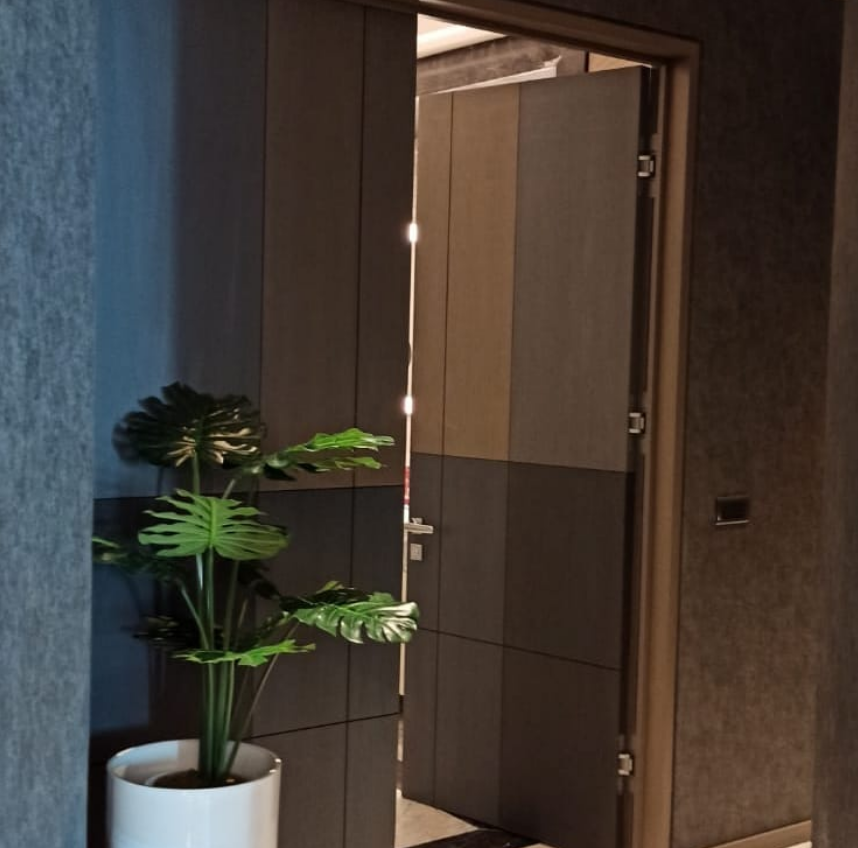
Butik Otel Mobilyaları
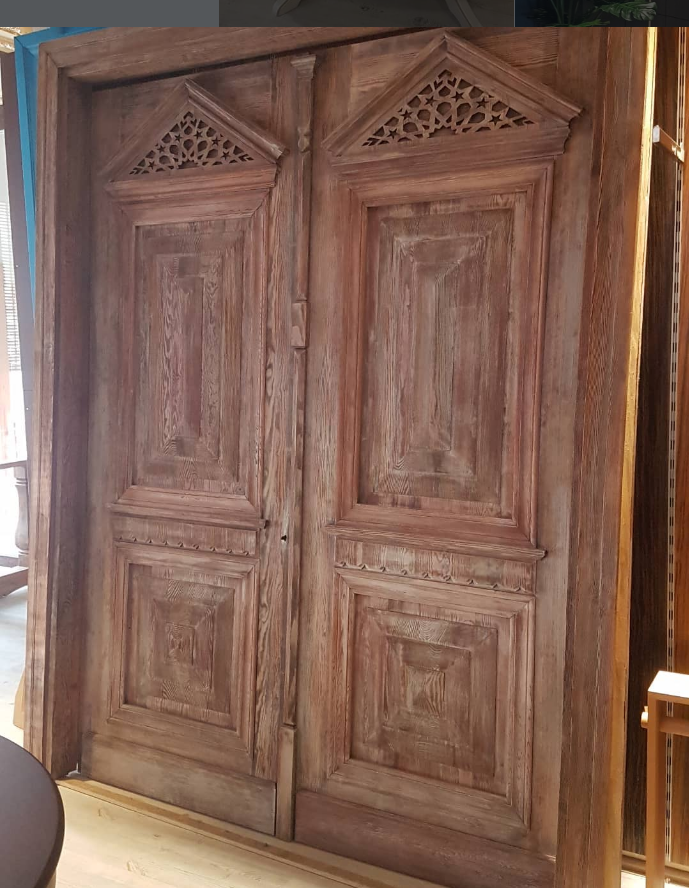
Butik Otel Mobilyaları
Tarihi Binaların Ahşap Dekorasyonları
Tarihi Ahşap restorasyonlari Kapılar
Tarihi binaların mobilya dekorasyonları
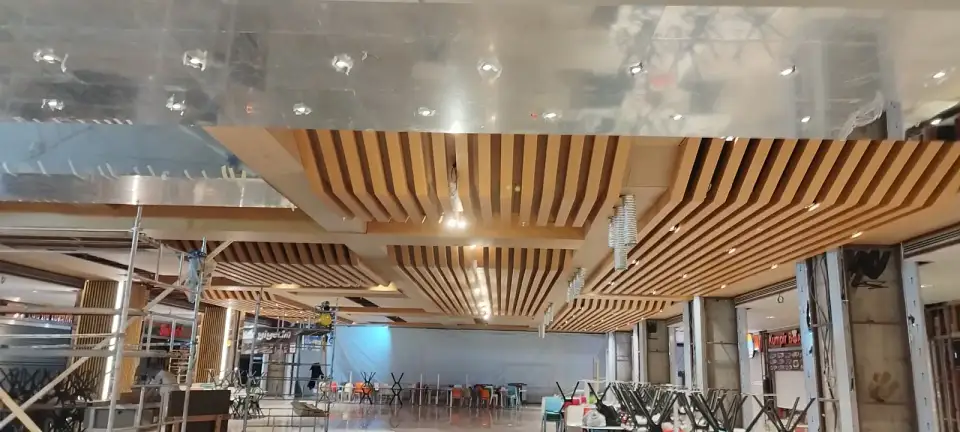
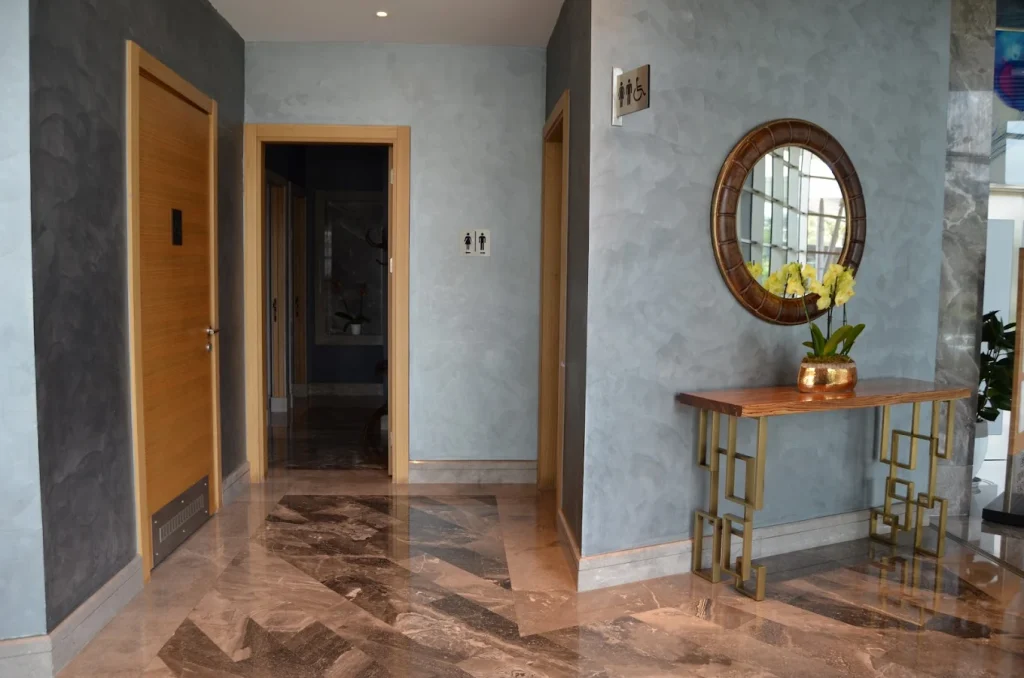
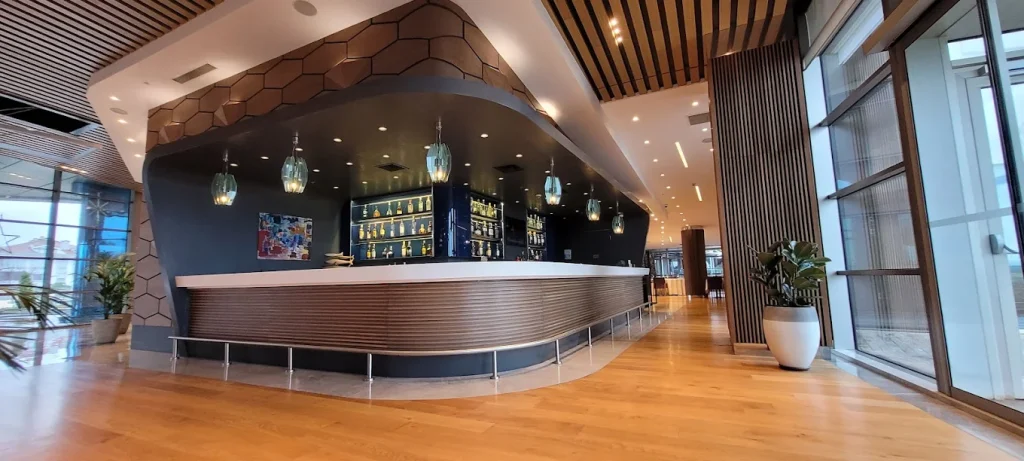
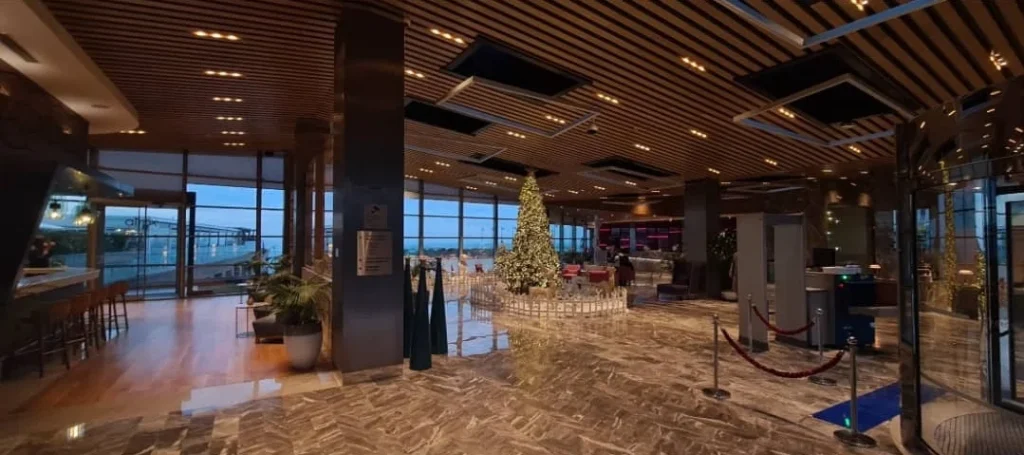
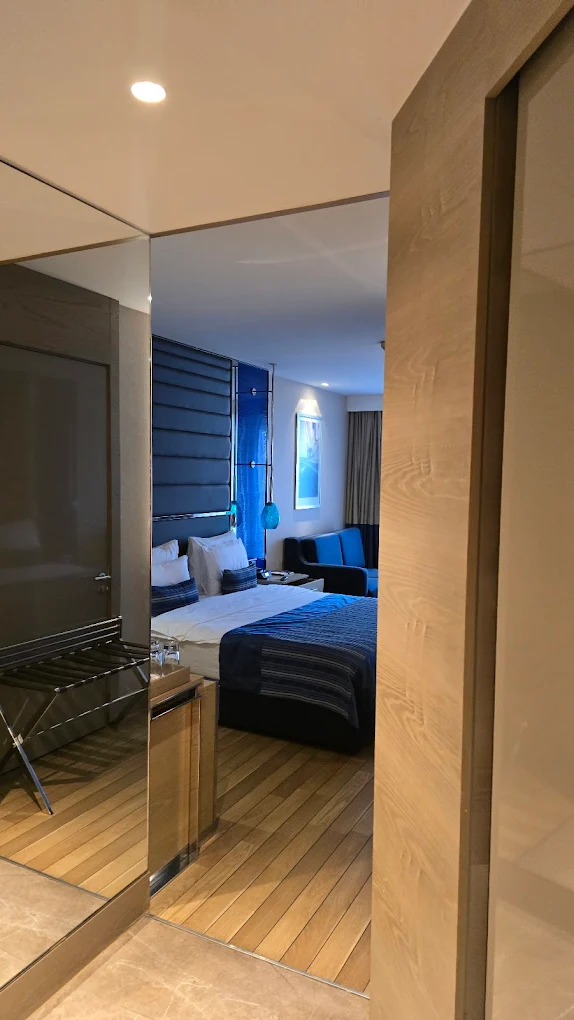
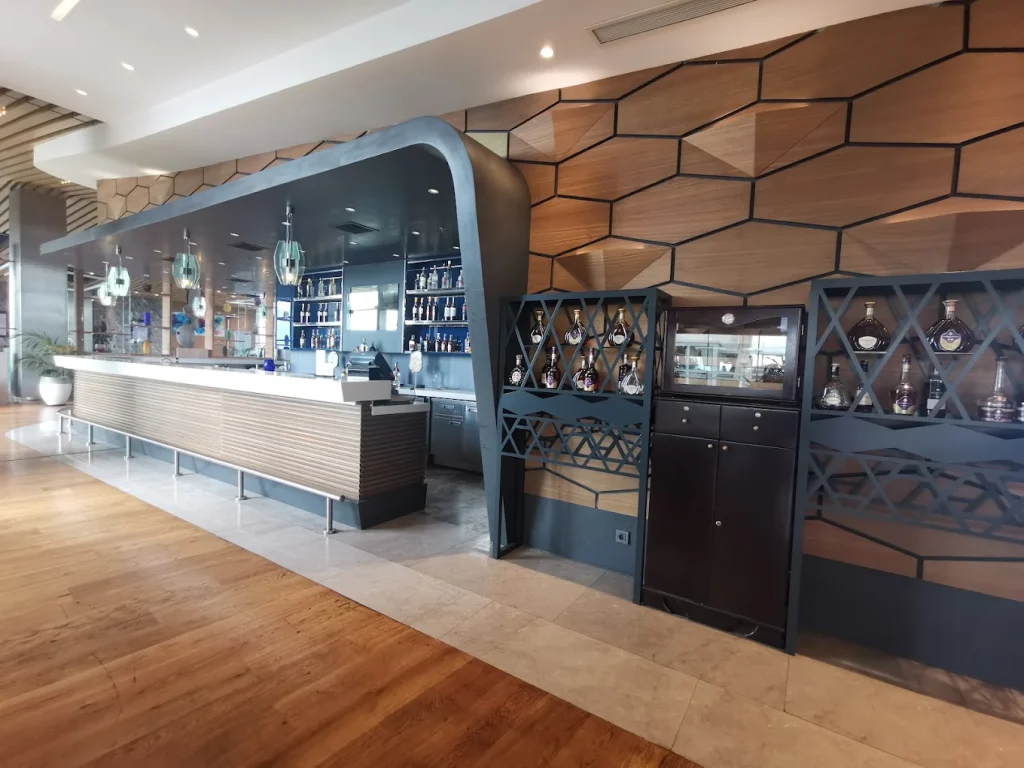
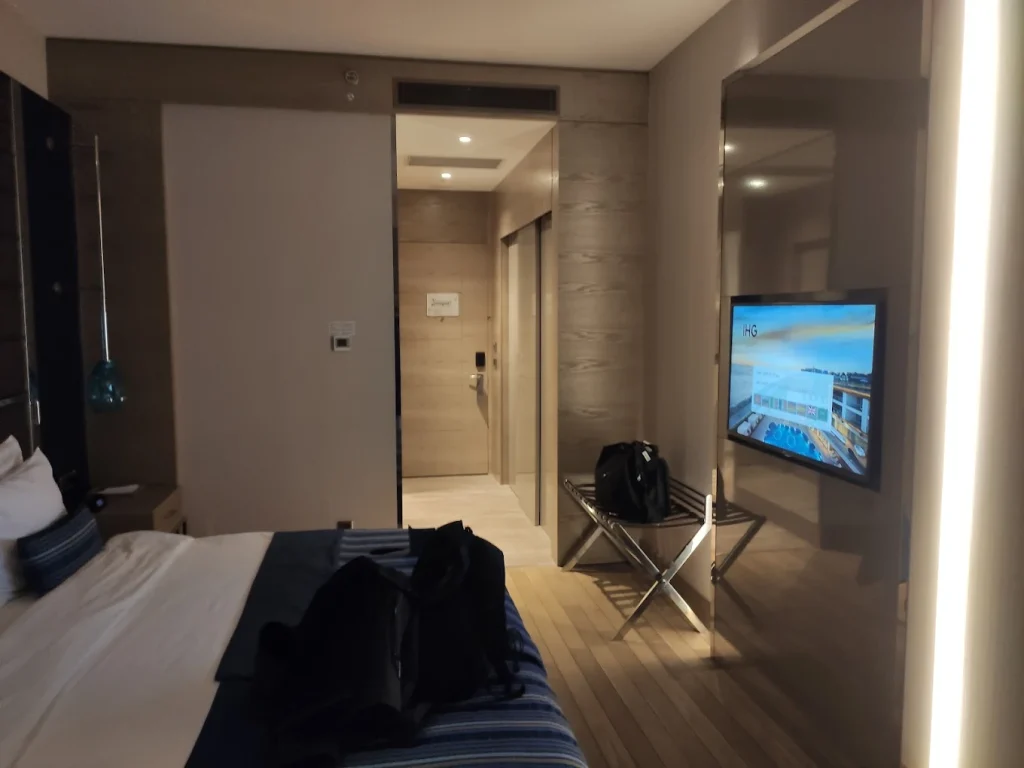
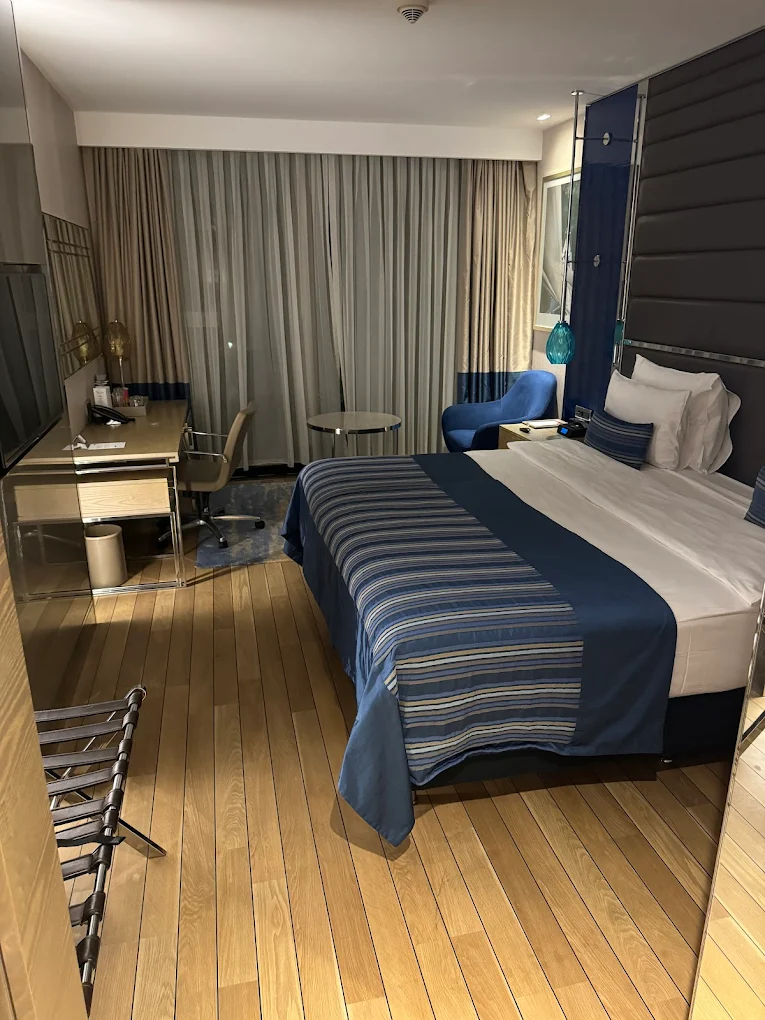



Butik Otel Mobilyaları
Etiket:Boutique Hotel Furniture Turkey, Fire-Rated Hotel Doors Turkey, Fire-Rated Hotel Furniture Turkey, Fireproof Doors Turkey, Fireproof Hotel Doors Turkey, Fireproof Hotel Furniture Turkey, Hotel Bed Base Turkey, Hotel Decoration Turkey, Hotel Entrance and Hotel Lobby Furniture Turkey, Hotel Furniture Companies Turkey, Hotel Furniture Designs Turkey, Hotel Furniture Manufacturers Turkey, Hotel Furniture Manufacturing Companies Turkey, Hotel Furniture Prices Turkey, Hotel Headboard Turkey, Hotel Lobby Decoration Turkey, Hotel Nightstand Models Turkey, Hotel Reception Desk Turkey, Hotel Wardrobes Turkey

Şunları da sevebilirsiniz
Pozantı Otel Mobilyaları | Adana Otel Mobilya Üretimi
Saimbeyli Otel Mobilyaları | Adana Otel Mobilya Üretimi