Hotel Headboard Design: Upholstered, Wooden and Wall-Mounted Options for Guest Rooms
A practical guide to hotel headboard design that looks beyond appearance to cleaning, repair and wall fixing. Learn how construction choices decide how a headboard performs after years of daily use.
Good hotel headboard design is more than a styling decision. The headboard is the focal point of the room, but it is also the part of the bed that takes the most contact from heads, hands, luggage and housekeeping equipment. This guide compares upholstered, wooden and wall-mounted options, with a focus on how construction affects cleaning, repair and wall fixing in busy hotels.
If you are an owner, procurement manager or designer, the aim is simple: choose a headboard that looks right on opening day and is still easy to maintain in year five.
Why construction matters as much as appearance
Most headboard briefs start with a render: colour, shape, stitching pattern, timber tone. These matter, but two headboards that look identical can behave very differently in service. The difference lies in the frame, the fixing method and how the surface is attached.
Ask three practical questions early:
- Can housekeeping clean it quickly without damaging the surface?
- Can a worn or stained section be repaired or replaced on site?
- Is it fixed to the wall or bed in a way that stays secure under daily use?
Upholstered headboards for hotels
An upholstered headboard hotel guests find comfortable is soft to lean on and visually warm. It also hides the wall behind the bed and can help reduce the clatter of a hard surface. The trade-off is that fabric and foam are the first parts to show wear, staining and body oils.
Construction points to review
- Frame: a plywood or high-quality board backing with a sturdy timber sub-frame keeps the shape stable and gives solid fixing points.
- Foam: dense, resilient foam holds its profile better than soft foam, which tends to flatten at head height.
- Fabric attachment: stapled and wrapped fabric is the simplest and often the most economical option. Panels that are removable or zipped allow replacement without scrapping the whole unit.
- Seams and piping: deep buttoning and decorative stitching trap dust and are harder to clean. Flat panels and simple channels are easier to vacuum and spot-clean.
Cleaning and repair
Fabric choice and cleanability are covered in more depth in our upholstery guide, but the structural point is this: if the fabric is fixed permanently, a stain usually means re-covering the unit in a workshop. If panels are modular or removable, a housekeeping or engineering team can swap one section in minutes.
Flame retardancy requirements for fabrics and foam vary by country, so confirm the destination rules before you finalise the specification.
Wooden headboards
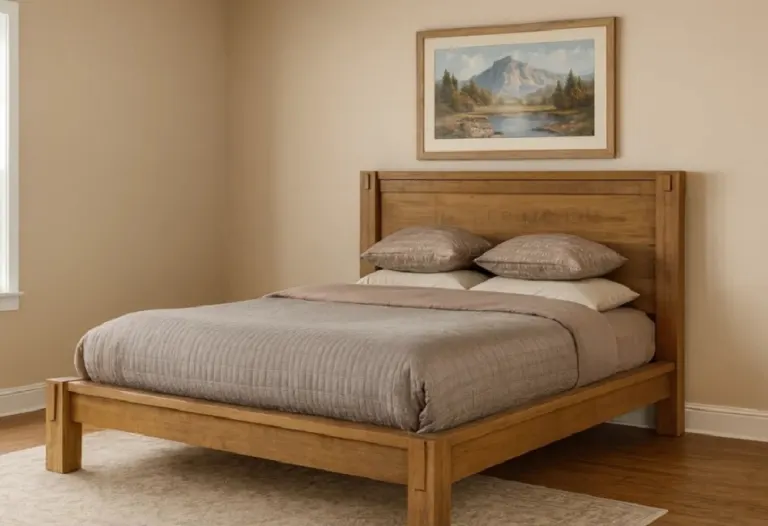
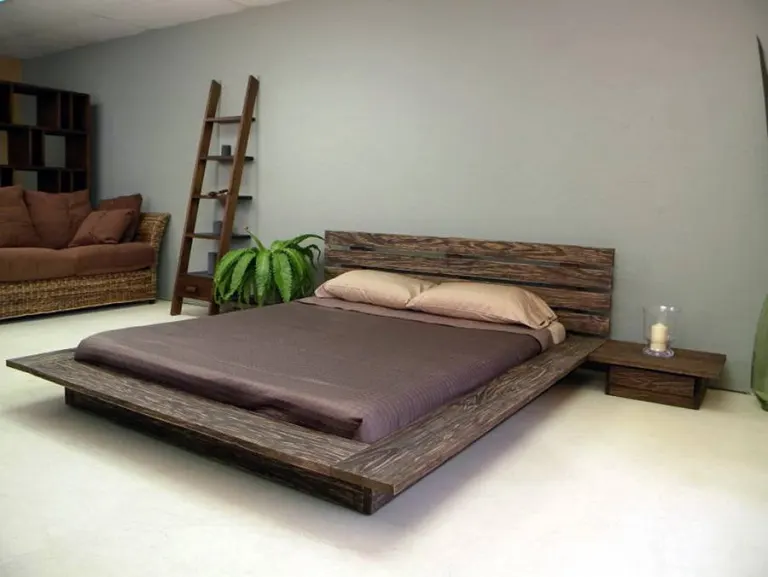
Wooden headboards suit hotels that want a natural, crafted look. They are easier to wipe down than fabric and generally resist staining better, which makes them a practical choice for high-turnover rooms.
Materials and finish
A wooden headboard can be made from solid timber, veneered board or HPL-faced board, depending on the look and budget. Veneer gives a real grain appearance with stable panels, while HPL offers high resistance to scratches and cleaning products. Finish type, such as matt lacquer or satin oil, affects how visible scuffs are and how easily they can be touched up.
Details that affect lifespan
- Edges: softened edges and sensible corner radii reduce chipping where luggage or trolleys make contact.
- Fluting and grooves: popular and attractive, but deep grooves collect dust. Shallow profiles are easier to maintain.
- Panel size: very wide solid panels can move with humidity changes. Veneered board or segmented panels stay more stable in different climates.
Repair
Minor scratches on a wooden headboard can often be touched up on site with the right filler or marker, provided the finish is documented. Keeping a record of finish codes and a small stock of spare touch-up material saves time later.
Wall-mounted headboards
A wall-mounted headboard is fixed to the wall rather than to the bed frame. This keeps the floor area under and around the bed clear, makes cleaning behind the bed easier and allows the headboard to be a design feature in its own right. It also separates the headboard from the bed base, so guests moving the bed does not stress it.
Fixing methods
- Cleat or French cleat systems: a profiled strip on the wall locks into a matching strip on the headboard. This is a clean, secure method that allows adjustment and removal.
- Fixed brackets or screws into backing: simple, but harder to remove for repair and less forgiving if the wall is not flat.
- Panels integrated with wall cladding: the headboard becomes part of a larger wall composition, which suits larger or more design-led rooms.
Walls matter
The wall behind the headboard must carry the load. Plasterboard walls need proper backing or fixings suitable for the weight, and masonry walls need the right anchors. Uneven walls can leave visible gaps, so the shop drawings should show how the headboard will be scribed or packed out to the wall surface.
Coordinate power, lighting and cable routes with the headboard design before drawings are approved, as socket positions and reading lights affect panel cut-outs and access.
Comparison at a glance
| Factor | Upholstered | Wooden | Wall-mounted |
|---|---|---|---|
| Cleaning | Needs vacuuming and spot-cleaning; stains may be hard to remove | Wipe-clean, depending on finish | Depends on surface; easy access behind the bed |
| Repair | Easier if panels are removable | Touch-up or panel replacement | Can be unhooked for repair if cleat-fixed |
| Wall fixing | Often bed-attached or wall-hung | Bed-attached or wall-hung | Requires suitable wall backing |
| Comfort | Soft backrest | Firm | Varies with surface material |
Choosing for your hotel category
Upscale and boutique hotels often favour upholstered or mixed-material headboards for a softer look, while high-turnover city or resort hotels may prefer wood or HPL for easier maintenance. Many projects combine both: a wooden panel with an upholstered insert, or a wall-mounted wooden frame with removable fabric sections.
Whichever route you choose, think about the whole lifecycle: how the headboard is cleaned every day, how a damaged section is replaced and how the fixing system copes with years of use.
Specification checklist
- Headboard dimensions and relationship to bed width and mattress height
- Fixing method and wall type, with the load path clearly shown
- Frame and board material, foam density and fabric specification
- Fire-retardant requirements for the destination country
- Removable or replaceable panels, if easy repair is a priority
- Finish code, sheen level and touch-up procedure
- Electrical and lighting integration, including access for maintenance
- Packing method for upholstered surfaces, so fabric arrives clean and undamaged
Working with a custom headboard manufacturer
A custom headboard manufacturer can adapt the design to the way your hotel operates, not only to the visual concept. At Palmiye, we produce hotel furniture to project drawings in our own factory in Istanbul and supply projects worldwide, with shop drawings, sampling, packing and export shipping available.
A sample headboard or mock-up room is the best way to test proportions, fabric feel, wall fixing and cleaning before committing to the full quantity.
Next step
If you are planning guest rooms, send us your drawings or room schedule. We will review the headboard concept, suggest construction options and come back with an estimated lead time and shipping options for your destination.
Sıkça Sorulan Sorular
What is the best headboard material for a busy hotel?
It depends on the hotel category and cleaning routine. Wood, veneer and HPL-faced headboards are easy to wipe down and resist stains, while upholstered headboards add comfort but need more care. Many hotels combine both, using removable fabric panels in a durable frame.
Are upholstered headboards practical for hotels?
Yes, if they are specified correctly. Choose cleanable, flame-retardant fabrics, dense foam and simple panel shapes. Removable or modular panels make it easier to replace stained sections without replacing the whole headboard.
How is a wall-mounted headboard fixed?
Commonly with a cleat system, where a profiled strip on the wall locks into a matching strip on the headboard. The wall must be able to carry the load, so backing or suitable anchors should be planned and shown in the shop drawings.
Can a headboard be repaired on site?
Often, yes. Wooden headboards can be touched up with matching filler or marker, and upholstered ones with removable panels can be swapped. Keeping spare panels and recording finish codes makes repairs quicker.
Do you supply headboards to hotels outside Turkey?
Yes. Palmiye produces custom hotel furniture in Istanbul and supplies projects worldwide. We can support shop drawings, samples, packing and export shipping. Share your drawings or room schedule and we will advise on options for your destination.
Every hotel project is different. Send us your drawings or room schedule for a tailored proposal on materials, lead time and shipping.