Do Hotel Guests Notice Furniture Details? What Reviews Reveal About Beds, Wardrobes and Storage
Guests rarely write about joinery, but they describe its effects: noise, cramped storage, wobbly doors. This article links common review comments to furniture decisions you can control at specification stage.
Yes, guests notice furniture details, although they rarely use technical language. When you read hotel guest reviews furniture is seldom named as a category, yet comments about a squeaking bed, a wardrobe with nowhere to put a suitcase or a door that will not close properly all trace back to design and specification choices. The good news for owners is that most of these causes can be controlled before production starts.
This article translates typical review wording into practical furniture decisions. It is written for owners, procurement managers and designers who want to prevent complaints rather than react to them.
How guests describe furniture problems
Guests describe what they feel and experience, not what the joiner built. A comment such as "the room felt cramped" may be about layout, bed base height or a bulky desk, not the room area. Learning to read between the lines is the first step.
Review platforms and post-stay surveys tend to show recurring themes. We cannot quote statistics, but the patterns below are familiar to most operators:
- Noise: creaking beds, banging drawers, rattling hangers.
- Storage: not enough hanging space, no place for luggage, no shelf for toiletries or clothes.
- Condition: chipped edges, peeling surfaces, loose handles, sagging doors.
- Convenience: sockets that are hard to reach, poor bedside lighting, no surface to put a phone or glass.
- Cleanliness: dust under the bed, stained fabric, sticky surfaces.
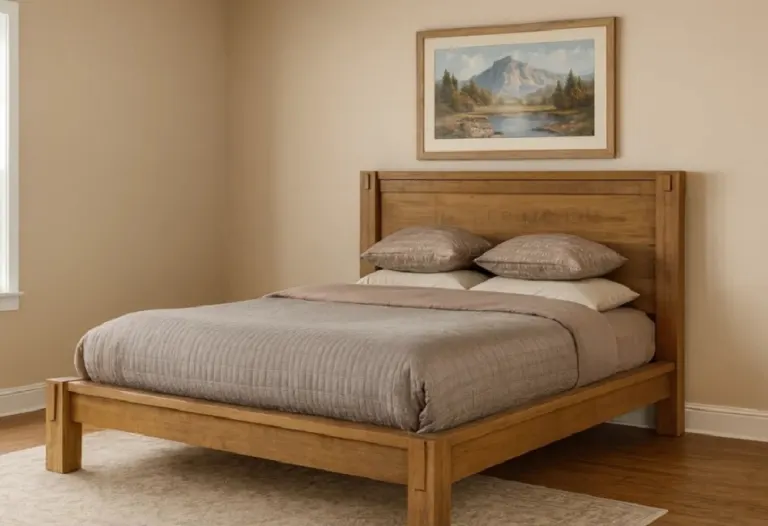
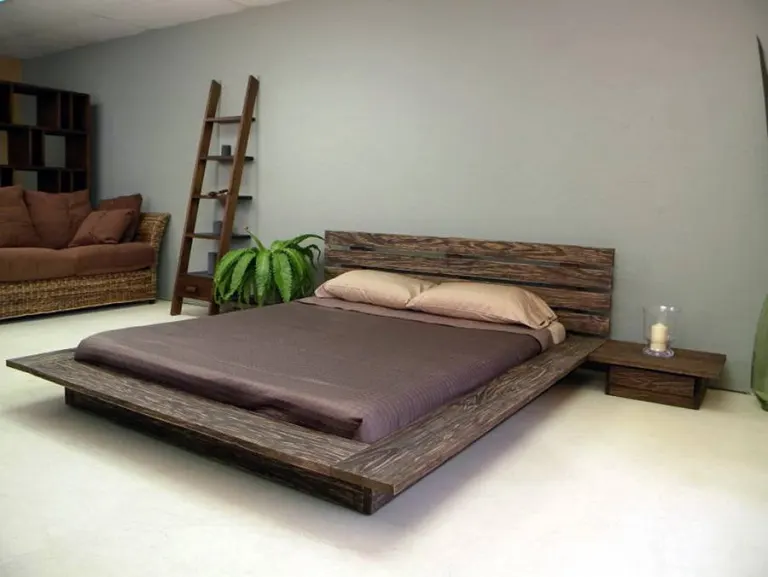
Beds: what comments say about the bed frame and headboard
"The bed was noisy"
Squeaking usually comes from joints that move under load: loose bolts, slats rubbing on rails or metal fittings without separators. Specifying a rigid frame, felt or rubber spacers at contact points and fixings that can be retightened reduces the risk. Ask the factory how the frame is assembled and whether it was checked under load in the sample.
"The bed was too high or too low"
Overall bed height is the sum of the base, the mattress and sometimes a topper. If the base is chosen without the mattress in mind, guests feel the result every night. Agree the base height and the mattress thickness together, and confirm the final top-of-mattress height in the mock-up room.
"Nowhere to put anything by the bed"
This often means bedside surfaces are too small, too far from the pillow or missing power. A guest needs space for a phone, glasses, a drink and a charger within arm's reach. A bedside table, a headboard ledge or a wall-hung shelf can all work if the dimensions and socket positions are planned together.
"The headboard was dirty or marked"
Headboards take hair oils, make-up and contact with pillows. Upholstered panels in light fabrics show marks quickly. Consider cleanable fabrics, removable panels or a wooden or HPL lower section so that housekeeping can maintain the look. Flame-retardant requirements for fabric should be checked with the local rules of your destination.
Wardrobes: where guest complaints concentrate
Guest complaints about the wardrobe are some of the most specific, because the wardrobe is used on the first and last day of every stay. When a guest cannot unpack comfortably, it affects their first impression and often appears in the review.
"Not enough space for my clothes"
This is rarely about total volume. It is usually about the wrong mix of hanging rail, shelves and drawers for the type of stay. A business traveller on a two-night stay needs a short hanging run and a few shelves. A family on a week's holiday needs more shelving and drawer space. Define your typical guest and length of stay before fixing the interior layout.
"The doors were loose or would not close"
Door problems come from weight, width and hinge selection. Heavy doors with mirrors, tall doors and wide doors need more or stronger hinges, and the carcass must be rigid enough to hold alignment. Adjustable commercial hinges also let the engineering team correct drift quickly instead of replacing the door.
"I could not find the safe" or "I could not reach it"
Safe position affects usability. Too low and guests must kneel; too high and it is awkward to use. Plan the height, the power supply and the door clearance at drawing stage rather than leaving it to site decisions.
"There was no hook, shelf or place for my suitcase"
Luggage support is a recurring request. A luggage rack, a bench or a dedicated shelf inside the wardrobe can solve it, but only if there is room to open the suitcase beside the bed or wardrobe. Check clearances on the room plan, not just on the furniture elevation.
Storage and surfaces: the quiet source of dissatisfaction
Storage feedback in hotel rooms often sounds vague: "no space", "nowhere to put things". A simple audit helps turn it into design actions.
| Guest comment | Likely cause | Design response |
|---|---|---|
| Bed squeaks | Loose joints, slat contact | Rigid frame, spacers, retightenable fixings |
| Nowhere to put a phone | No bedside surface or power | Ledge or table with sockets within reach |
| Wardrobe too small | Wrong hanging, shelf, drawer mix | Plan interior around guest profile |
| Door will not close | Heavy door, weak hinges, drift | More hinges, adjustable hardware, rigid carcass |
| Furniture looks worn | Weak edges or finish | Durable edging, HPL or suitable lacquer on high-touch areas |
| Dusty under the bed | Low or closed base | Check clearance for cleaning tools |
Wear and tear: why damaged furniture shows up in reviews
Chipped corners, lifting edge banding and scuffed fronts make a room look older than it is, and guests often associate that with poor cleanliness or poor management. Luggage, housekeeping trolleys and vacuum cleaners hit the same areas repeatedly. Protect these with robust edge details, suitable corner radii and finishes chosen for high-touch use.
It is also worth asking what is repairable. Panels, doors and drawer fronts that can be replaced individually help you correct visible damage without taking the room out of service for long.
Turning review insights into a specification
You can use your own reviews, or those of comparable hotels, as a design brief. A simple process works well:
- Collect recurring comments about beds, wardrobes and storage over a defined period.
- Group them into noise, space, condition and convenience.
- Link each group to a specific furniture element, such as bed base, hinges, interior layout or socket position.
- Write the response into the technical specification and room data sheet.
- Test it in the mock-up room before approving mass production.
For a new hotel without its own reviews, look at competitor feedback in the same category and location. This shows what your target guest expects and where others fall short.
What guests notice differs by hotel type
A business hotel is judged on desk, power, quiet and wardrobe efficiency. A resort is judged on luggage storage, space for beachwear and durability in humid air. A boutique hotel may be forgiven a small room but not an obvious quality problem. Match the specification to the stay pattern, not to a generic checklist.
Practical points to confirm with your factory
- How the bed frame is joined and whether it can be retightened.
- Hinge type, number per door and adjustability.
- Edge banding material and corner treatment.
- Interior layout options for the wardrobe, with dimensions.
- Socket and lighting positions in bedside and desk units.
- Availability of spare doors, panels and hardware after opening.
These questions cost nothing to ask and give you a clear view of how the manufacturer approaches durability and guest experience.
Conclusion
Guests may not mention hinges, slats or shelf depths, but they react to them. Reading reviews as a map of furniture performance lets you prevent complaints through specification, sampling and a proper mock-up room. Small decisions on noise, storage and edge protection have a visible effect on how guests describe their stay.
If you are planning a new hotel or a renovation, send us your drawings or room schedule. We supply projects worldwide from our factory in Istanbul and can review your guest room package, suggest practical improvements and prepare a project quotation.
Sıkça Sorulan Sorular
Do hotel guests really notice furniture details?
Yes, though they describe effects rather than parts. Comments about noise, limited storage, worn corners or doors that will not close all point to furniture design and build quality. These issues are often visible in reviews even when guests never mention the furniture directly.
What are the most common guest complaints about hotel wardrobes?
Typical themes include too little hanging space, no shelf or place for luggage, doors that stick or sag, and hard-to-use safes. Most come from an interior layout that does not match the guest profile or from hardware that was not specified for heavy daily use.
How can I use guest reviews when specifying new furniture?
Group recurring comments into noise, space, condition and convenience, then link each to a furniture element such as the bed base, hinges or socket positions. Write these into the specification and test them in a mock-up room before approving production.
Which bed details affect guest comfort most?
Frame rigidity, base and mattress height, bedside surfaces within reach and power for charging are the main ones. Noise from loose joints is a frequent complaint, so ask how the frame is assembled and whether fixings can be retightened.
How can furniture look newer for longer in a hotel room?
Choose durable edge banding and finishes for high-touch areas, protect corners that luggage and trolleys hit, and plan for replaceable doors and panels. Spare parts and a simple maintenance routine help you fix visible damage without long room closures.
Every hotel project is different. Send us your drawings or room schedule for a tailored proposal on materials, lead time and shipping.