Hotel Bedroom Furniture and Guest Allergies: Dust Traps, Finishes and Materials That Ease Cleaning
Furniture cannot make a room allergen-free, but smart joinery design removes the places where dust gathers and makes housekeeping faster. This guide links construction details to cleaning effort.
If you want hotel furniture that is allergy friendly, the answer lies less in a special label and more in design: fewer dust traps, smooth cleanable surfaces and clear access for housekeeping. Furniture does not cure allergies, and no supplier can promise an allergen-free room. What joinery can do is reduce the places where dust, fibres and moisture collect, so that routine cleaning is more effective.
This article is written for owners, designers and procurement managers who want to specify easy clean bedroom furniture and a more hypoallergenic hotel room without adding unnecessary cost. Guests with sensitivities should always follow advice from their own doctor; here we focus on what you can control in the specification.
Why furniture matters for allergen control
Most allergen control in a hotel room depends on bedding, mattresses, ventilation and cleaning routines. Furniture plays a supporting role, but an important one. Every ledge, gap and rough surface is a place where dust settles and where a cleaning cloth may not reach.
Good design therefore has two goals: leave less dust-holding surface, and make the remaining surfaces quick to wipe. Both reduce housekeeping time per room, which is a benefit for the operator even when no guest has special needs.
Common dust traps in guest room joinery
Dust traps furniture designs often share the same weaknesses. Check drawings for these items before approving production.
- Deep grooves and fluted details: attractive, but narrow channels hold dust and need a brush or special tool to clean.
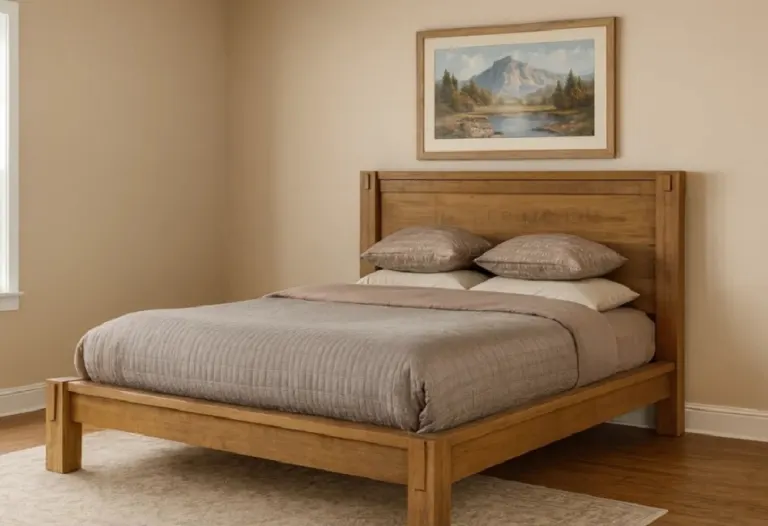
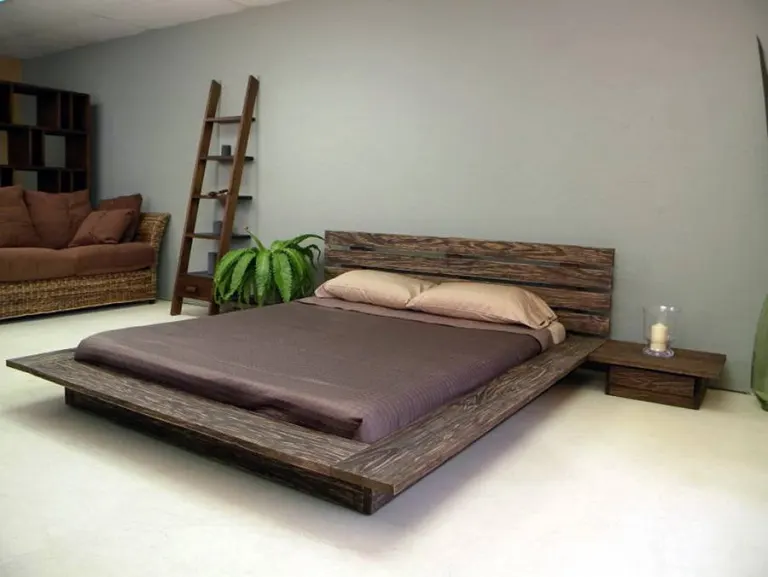
- Open gaps behind and under pieces: a bed base or desk that sits too low prevents vacuum access underneath.
- Top surfaces of tall wardrobes: an unreachable top collects dust. Close it to the ceiling or add a sloped or sealed cap.
- Exposed fabric on frequently touched pieces: upholstered panels hold fibres and dust more than sealed surfaces.
- Open shelves with rough backs: unfinished or textured back panels are difficult to wipe.
- Poorly sealed joints and edges: small cracks allow dust and moisture to build up inside.
Clearances that let housekeeping reach the floor
Under-furniture space is one of the biggest factors in daily cleaning. Beds, desks and bedside tables that leave a clear gap allow a vacuum head to pass without moving the piece. Alternatively, a closed plinth that sits tight to the floor removes the gap entirely, so there is nothing to clean beneath.
Both approaches work; the worst option is a narrow gap that is too small to clean but large enough to collect dust. Agree your cleaning equipment and clearance height with the housekeeping team early, and show the dimension on the shop drawings.
Wall-hung or floor-standing?
Wall-hung bedside tables and consoles leave the floor continuous and visible, which makes cleaning faster. They need strong wall fixings and reliable wall construction, so coordinate with the contractor. Floor-standing units with sealed plinths are a practical alternative where walls cannot carry the load.
Surfaces and finishes that ease cleaning
Smooth, non-porous surfaces are easier to wipe and release less dust. When comparing finishes, consider how they react to daily cleaning products.
| Surface | Cleaning behaviour | Points to check |
|---|---|---|
| HPL / laminate | Smooth, wipes easily, resists many cleaning agents | Edge sealing quality, joint lines |
| Lacquered veneer or MDF | Sealed surface, easy to wipe when well finished | Finish hardness, chemical resistance, touch-up method |
| Oiled or open-pore timber | Natural look, but pores can hold dust and stains | Maintenance routine and re-oiling plan |
| Textured or deeply embossed finishes | Hides marks, but traps dust in the texture | Depth of texture, cleaning tools needed |
Matt finishes hide fingerprints, while very glossy ones show every wipe mark. Ask for physical samples and test them with the cleaning products your housekeeping team actually uses.
Edges, joints and sealing
Dust and moisture usually enter furniture at the edges. Well-applied edge banding, tight corner joints and sealed cut-outs for cables or sockets keep surfaces continuous and prevent swelling. Small corner radii also make wiping easier than sharp, open corners.
Where furniture meets a wall, a neat scribe or sealed junction removes a dust-collecting gap. Our approach is to detail these junctions on the shop drawings rather than leave them to be solved on site.
Materials and indoor air quality
Boards and adhesives can release emissions, especially when furniture is new. For a hypoallergenic hotel room, ask suppliers for the emission class of the boards and the finish system, and request the relevant documents for your destination market. Requirements differ between regions, so state the standard you need in the brief rather than assume it.
Allow new furniture to air before the rooms are sealed and handed over where the programme permits. This is general good practice and helps reduce odour as well.
Upholstery and soft elements
Headboards, benches and seating are the main places where fibres and dust collect. Options include:
- Smooth, wipeable covers such as suitable performance fabrics or faux leather on high-contact seating.
- Removable panels or covers that can be laundered or replaced.
- Wood or HPL headboard panels where an upholstered look is not essential.
Check fire performance requirements together with cleanability, because both affect the fabric choice.
Wardrobe interiors and ventilation
Closed wardrobes can hold stale air and moisture if they have no ventilation. Small vents, gaps or perforated panels, planned in the design, help air move while keeping the appearance tidy. Smooth interior surfaces and fixed shelves with sealed edges are easier to wipe than fabric-lined or open-grain interiors. Hanging rails should be reachable for cleaning without removing the whole unit.
A practical specification checklist
- Define the cleaning method and equipment with housekeeping before drawings are final.
- Choose either clear under-furniture access or closed plinths; avoid small gaps.
- Limit grooves, fluting and open-grain textures to areas that are easy to reach.
- Specify sealed edges, tight joints and sealed cut-outs.
- Request finish samples and test them with real cleaning products.
- Ask for emission class documents for boards and finishes.
- Review the mock-up room with the housekeeping team present.
Use the mock-up room as a cleaning test
A mock-up room is the cheapest place to discover a dust trap. Ask a housekeeper to clean it as they would in operation, and note where a cloth or vacuum struggles. Changes at this stage are simple; after mass production they are not.
Next step
We supply custom hotel furniture to projects worldwide from our factory in Istanbul. If you are planning a new hotel or renovation and want furniture that is easier to keep clean, send us your drawings or room schedule. We will review the details and suggest materials, finishes and construction options for your project.
Sıkça Sorulan Sorular
Can hotel furniture be truly hypoallergenic?
No furniture can guarantee an allergen-free room. What you can do is reduce dust traps, choose smooth sealed finishes and request low-emission materials. Bedding, mattresses, ventilation and cleaning routines matter just as much. Guests with medical concerns should seek advice from their own doctor.
Which finishes are easiest to clean in hotel bedrooms?
Smooth, non-porous surfaces such as HPL and well-sealed lacquer wipe easily and resist many cleaning agents. Deeply textured or open-pore finishes hold dust more readily. Always test physical samples with the cleaning products your housekeeping team uses.
Is wall-hung furniture better for cleaning?
Often yes, because a clear floor lets housekeeping vacuum without moving pieces. It requires suitable wall construction and strong fixings. Floor-standing units with closed plinths are a good alternative where walls cannot carry the load.
Are fluted or grooved details a problem for dust?
Narrow grooves collect dust and need a brush to clean. They can still be used in limited areas, such as a headboard panel above reach, but avoid them on frequently touched or low surfaces. Wider, shallow profiles are easier to maintain.
What should I ask a factory about emissions?
Ask for the emission class of the boards, adhesives and finishes, and the documents your destination market requires. Requirements vary by region, so state the standard in your brief. Airing new furniture before handover also helps reduce odour.
Every hotel project is different. Send us your drawings or room schedule for a tailored proposal on materials, lead time and shipping.