High Occupancy Hotel Furniture Wear: What Fails First in a Long Summer Season
A resort that runs near full occupancy for about 150 days puts bedroom furniture under concentrated stress. This guide shows where wear appears first on beds and wardrobes and what to specify to slow it down.
High occupancy hotel furniture wear follows a predictable pattern. In a resort that runs close to full for roughly 150 days, bedroom furniture does not age gradually: it takes a year's worth of check-ins, luggage handling and cleaning cycles in one compressed season. Knowing which parts give way first lets you specify them better before production starts.
This article looks at wear from the point of view of a procurement manager or designer. It covers beds, wardrobes and the small components that decide whether a room still looks fresh in the final weeks of the season. The patterns below are typical observations, not fixed rules, and results vary with climate, guest profile and housekeeping routines.
Why a short, intense season is different
A city hotel with 70% occupancy spreads wear over twelve months, with quieter gaps for repairs. A seasonal resort has no such gaps. Rooms turn over daily, often with same-day check-ins, and there is little time to touch up or replace parts until the hotel closes.
Three factors combine in summer:
- Fast turnover: housekeeping trolleys, vacuum cleaners and luggage move through rooms repeatedly in tight time windows.
- Heat and humidity: air conditioning cycles, wet swimwear, sand and sunscreen reach surfaces that were designed with a drier city room in mind.
- Leisure behaviour: guests unpack fully, use every drawer and shelf, and sit on the bed and furniture edges more often than business travellers do.
Wear patterns on the bed and headboard
Bed frame corners and the foot end
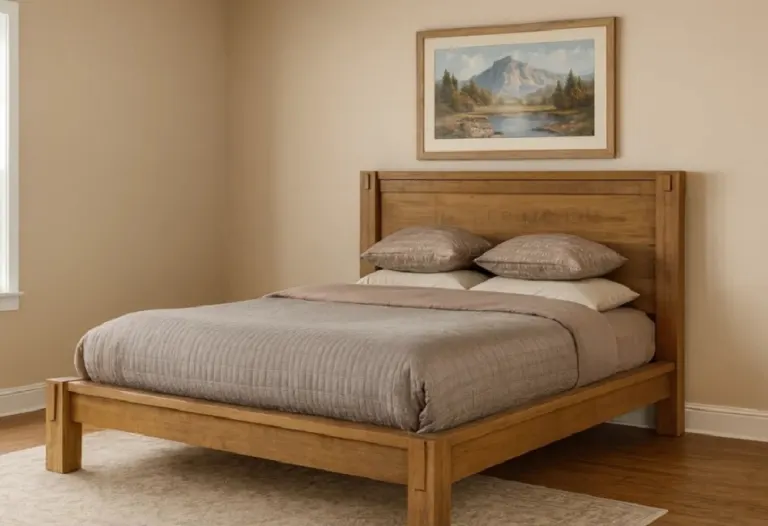
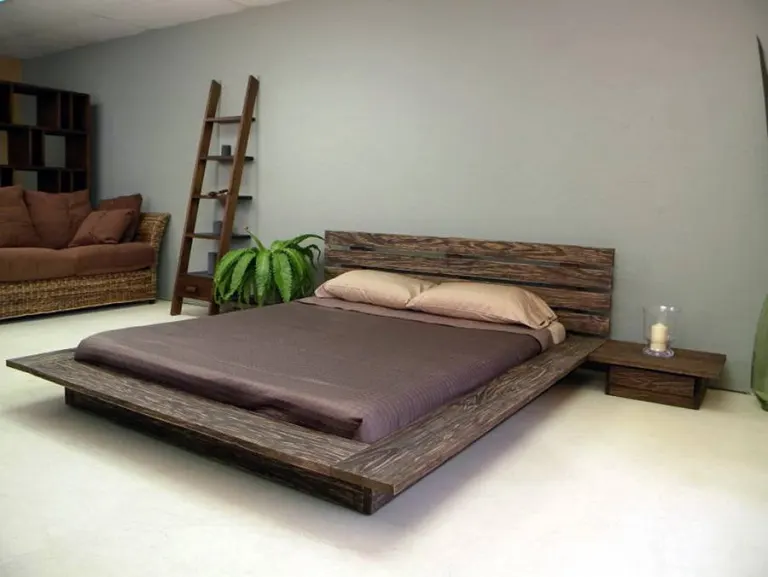
The foot of the bed and the lower corners take the most impact. Luggage is dropped there, vacuum heads strike the base, and trolleys brush past. Expect chipped edges, scuffed finishes and exposed substrate first at these points.
To slow this down, specify well-radiused corners, durable edge banding that is bonded with a suitable adhesive, and a protective skirt or plinth where the frame meets the floor. Our guidance on edge details applies directly here, because a small radius spreads impact better than a sharp 90-degree corner.
Headboard surfaces at head height
Headboards wear where heads, hands and pillows touch them. Upholstered panels show skin oils, hair products and sunscreen marks. Timber and laminate panels show polish loss and fine scratches at shoulder height.
In a high-turnover resort, consider removable or easily cleanable upholstery panels, and finishes with a tight-grain, wipe-clean surface. Darker or heavily textured fabrics hide marks better than pale smooth ones, but check cleanability and flame performance for your destination.
Slats, joints and squeaks
Bed bases are loaded daily, and guests often jump onto them or sit on the side. Joints that were acceptable in a lightly used room can loosen over a hundred and fifty days of constant use. Loosening shows up as noise before it shows up as visible damage.
Ask the factory how slats are fixed, how many legs or supports carry the load, and whether joints use mechanical fixings in addition to glue. A bed that is quiet at handover but noisy by August is a common complaint in seasonal hotels.
Wardrobe wear patterns
Wardrobe wear patterns are easier to predict than most buyers expect, because guests interact with the same few points every day. These are usually the first to show wear:
- Handles and door edges: hands, bags and beach towels all touch the leading edge of the door. Finishes thin here first.
- Hinges and door alignment: doors that are opened many times a day drift out of alignment if hinge count or quality is too low for the door weight.
- Hanging rails and hangers: loaded rails sag or loosen at the brackets, and hangers are lost or broken in large numbers.
- Drawer runners: drawers loaded with folded clothes, shoes and swimwear are pulled out fully many times a day.
- Lower panels and plinths: vacuum heads, mops and cleaning chemicals reach the bottom 20 cm (8 in) of the wardrobe constantly.
- Interior shelves and safe areas: sandy, damp items leave marks and can swell unsealed board edges.
What to specify for wardrobes
For doors, discuss hinge count with the manufacturer based on door height and weight, and choose hardware intended for commercial use. For the bottom of the unit, a moisture-resistant plinth or a water-tolerant lower panel reduces swelling from mopping. Inside, sealed edges on shelves and a wipe-clean lining help with wet swimwear and sand.
For handles, avoid sharp profiles that snag clothing or luggage straps, and choose a finish that tolerates sunscreen and hand cream. Finger pulls and recessed handles can reduce snagging, but check that they are easy to clean.
Surfaces: where finish choice matters most
Finish choice has a large effect on how a suite looks late in the season. High-pressure laminate and well-applied hard-wearing lacquers generally tolerate abrasion and cleaning chemicals better than soft oils or thin paint. Natural veneer gives a warm look but needs a protective topcoat suited to heavy use, and darker, matt surfaces tend to show scratches and fingerprints more than mid-tone textured ones.
Request physical finish samples and test them with the cleaning products your housekeeping team actually uses. A sample that looks perfect on a mood board may react badly to a strong disinfectant or to sunscreen residue.
| Component | Typical wear signal | What to specify |
|---|---|---|
| Bed foot and corners | Chips, scuffs, exposed core | Radiused corners, durable edge banding, protective base detail |
| Headboard | Staining, polish loss | Cleanable or removable upholstery, wipe-clean finish |
| Bed base joints | Squeaks, looseness | Mechanical fixings, adequate supports |
| Wardrobe doors | Sagging, misalignment | Suitable hinge count, commercial hardware |
| Drawers | Rough action, sagging fronts | Quality runners with adequate load rating |
| Lower panels | Swelling, discolouration | Moisture-tolerant plinth, sealed edges |
Climate and coastal conditions
Resorts near the sea face humidity swings between the air-conditioned room and the open balcony door. Timber and board products absorb and release moisture, so sealed edges, stable board construction and well-seasoned material reduce movement. Metal fittings near salt air may need corrosion-resistant finishes.
If your hotel is in a hot, humid or coastal region, tell the factory at the quotation stage. Material and hardware choices can then be matched to the conditions rather than adjusted after problems appear.
Plan maintenance around the season
Specifying well is only half the picture. A short season benefits from a maintenance plan that matches it:
- Keep a small stock of spare handles, hinges, drawer fronts and edge strips on site before opening.
- Agree a touch-up kit with matching finish references for minor chips.
- Train housekeeping on trolley handling and recommended cleaning products.
- Schedule a mid-season walk-through to catch loose joints and misaligned doors early.
- Record condition photos at closing, so repairs and reorders can be planned for the off season.
Reorder planning matters too. Boards and finishes can vary slightly between production batches, so keeping documentation of finish codes and sample boards helps when you need matching parts later.
Specify for the end of the season, not the opening day
A useful test during design review is to imagine each piece on day 150. Ask which edges will have been hit most, which surfaces will have seen the most cleaning, and which moving parts will have worked the hardest. Then check whether the drawing and specification address those points.
This approach also supports value engineering. Instead of upgrading everything, you can concentrate budget on the corners, hinges, runners and finishes that are most exposed, and keep simpler solutions where wear is light.
Next step
If you are planning a resort or seasonal hotel, send us your room schedule, drawings or finish references. We can review the beds, wardrobes and case goods with you, suggest where specifications should be strengthened for heavy use, and quote for delivery to your destination anywhere in the world.
Sıkça Sorulan Sorular
Which parts of hotel bedroom furniture wear out first?
Usually the bed foot and corners, wardrobe door edges and handles, drawer runners and the lower panels near the floor. These areas take luggage impact, daily hand contact and cleaning equipment. Specifying radiused corners, quality hardware and moisture-tolerant lower panels helps them last through a full season.
How many hinges should a hotel wardrobe door have?
It depends on door height, width and weight, so there is no single number. Taller or heavier doors, especially mirror-faced ones, need more hinges than a light, short door. Ask your manufacturer to confirm hinge count against the door weight and the hardware's rated load.
Is laminate or veneer better for a busy resort?
High-pressure laminate generally resists scratches and cleaning chemicals well, which suits heavy use. Veneer can work if it has a durable protective topcoat. The best choice depends on your design intent, so test finish samples with your own cleaning products before approving.
Should a seasonal hotel keep spare furniture parts?
Yes, a small stock of handles, hinges, drawer fronts and edge strips is practical, because repairs during peak season must be quick. Also keep finish codes and sample boards on file, since later production batches may differ slightly from the original.
Does coastal humidity affect hotel wardrobes and beds?
It can. Board and timber products absorb moisture, so unsealed edges may swell and metal fittings may corrode near salt air. Tell your factory about the location early so materials, edge sealing and hardware finishes can be chosen for those conditions.
Every hotel project is different. Send us your drawings or room schedule for a tailored proposal on materials, lead time and shipping.