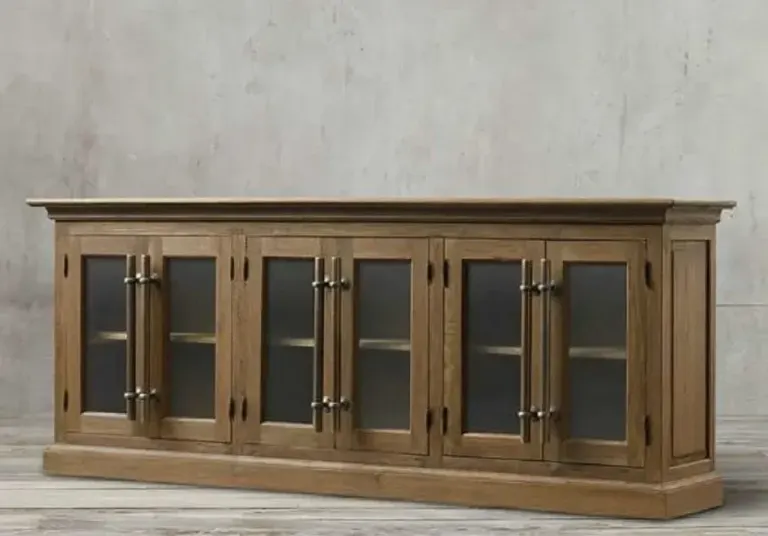
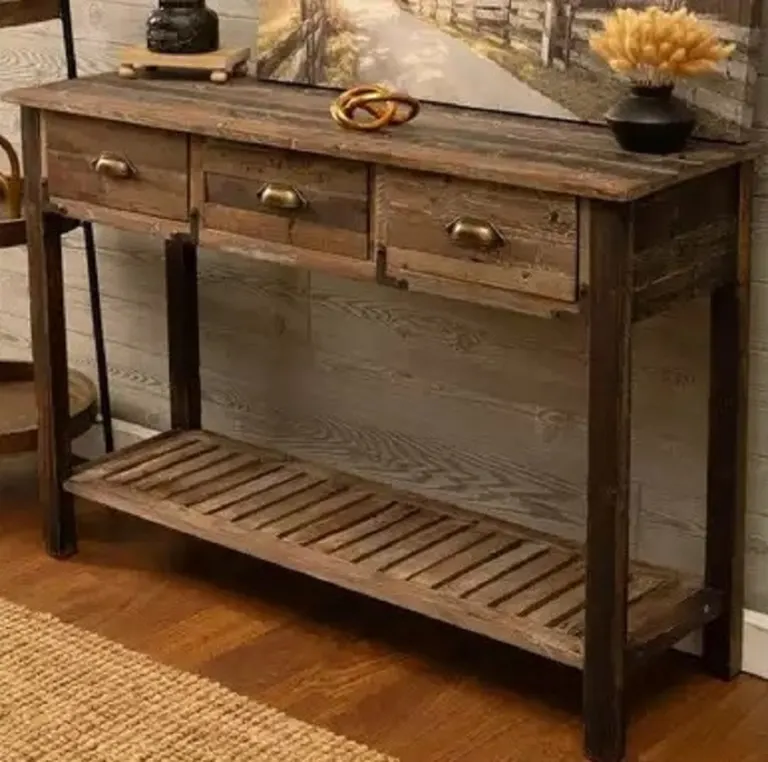
Global Regional Design Styles for Solid Wood Bathroom Cabinet Models: Scandinavian, Japandi, Mediterranean, and Mid-Century Modern Timber Engineering
Architectural interior styles dictate far more than surface stain colors or decorative hardware—they govern carcass proportions, milling profiles, basin integration geometry, and finish chemistry across solid wood bathroom cabinet models. While a Scandinavian wet-room vanity relies on pale rift-sawn white oak and zero-sheen aliphatic polyurethanes to amplify northern daylight, a Mediterranean coastal cabinet pairs wire-brushed Anatolian chestnut or Burmese teak with honed travertine to withstand sea-air humidity. Understanding how regional aesthetics translate into joinery mechanics ensures every vanity aligns visually with its architectural surroundings while surviving decades of daily shower steam.

This comprehensive architectural design and engineering guide examines global regional design styles for solid wood bathroom cabinet models, analyzing the timber species, milling profiles, countertop pairings, hardware systems, and wet-zone waterproofing specifications defining Scandinavian, Japandi, Mediterranean, and Mid-Century Modern bathroom joinery.
1. Scandinavian Solid Wood Bathroom Cabinet Models: Light Diffusion and Minimalist Precision
Originating in Nordic residential architecture where maximizing natural daylight and eliminating visual clutter are paramount, Scandinavian solid wood bathroom cabinet models emphasize pale timber tones, clean rectilinear silhouettes, and ergonomic storage efficiency.
• Signature Timber Species & Milling Cuts: Rift-sawn European or American White Oak (Quercus alba) and Nordic Ash (Fraxinus excelsior) dominate Scandinavian specifications. Selecting rift-sawn boards eliminates busy cathedral grain arches in favor of calm, linear vertical grain lines, while closed cellular tyloses in white oak provide natural wet-zone moisture resistance.
• Raw-Wood Effect Finishing Chemistry: Traditional oil-based varnishes turn pale oak amber-yellow over time, ruining the crisp Nordic aesthetic. Architectural Scandinavian cabinets are encapsulated in three coats of non-yellowing, waterborne two-component (2K) aliphatic matte polyurethane (3%–5% dead-matte sheen) with subtle white-pigment UV stabilizers—preserving the look and tactile feel of freshly sanded raw timber while delivering full chemical and water resistance.
• Handleless Joinery & Floating Geometry: Floating wall-mounted carcasses elevated 30 centimeters above large-format matte porcelain floor tiles keep compact Nordic bathrooms airy. Drawer fronts feature 45-degree beveled J-pull top edges or push-to-open concealed Blum TIP-ON runners, eliminating protruding metal handles.
• Countertop & Basin Pairing: Ultra-slim 12mm to 20mm matte white solid-surface (Corian) integrated sink-tops or honed white Carrara/Afyon marble slabs with crisp rectangular undermount porcelain bowls.
2. Japandi Solid Wood Bathroom Cabinet Models: Biophilic Serenity and Artisanal Joinery
Fusing Japanese wabi-sabi minimalism with Scandinavian functional warmth, Japandi solid wood bathroom cabinet models celebrate tactile timber grain, horizontal and vertical slat rhythms, low-profile proportions, and handcrafted joinery details.
• Signature Timber Species & Thermal Treatments: Thermally Modified Ash (ThermoWood), Hinoki-inspired pale cedar/cypress, medium-toned Teak, and smoked White Oak anchor Japandi wet zones. Thermal modification at 200°C–212°C produces a rich, organic roasted-umber tone throughout the wood core while dropping tangential shrinkage below 3.8%—ideal for steam-heavy onsen-inspired soaking rooms.
• Slatted Tambour & Kumiko-Inspired Relief: Japandi vanities frequently incorporate vertical micro-slatted tambour doors, curved radius corners, and open lower slatted timber shelves for rolled organic cotton towels. To prevent steam from warping slatted doors, every individual timber batten is spray-sealed on all four sides with 2K catalyzed matte polyurethane before being mounted onto a black-lacquered marine-plywood backing panel.
• Sculptural Vessel Basin Ergonomics: Japandi cabinetry commonly pairs a low-slung floating timber carcass (70 to 74 cm mounting height) with a carved basalt river-stone, dark honed slate, or matte-glazed stoneware vessel sink and a wall-mounted matte black or brushed bronze spout.
3. Mediterranean and Aegean Solid Wood Bathroom Cabinet Models: Coastal Patina and Stone Mass
Inspired by coastal residences across Bodrum, the Greek islands, Mallorca, and Provence, Mediterranean solid wood bathroom cabinet models embrace sun-bleached organic textures, heavy solid-wood aprons, and massive natural limestone or travertine countertops built to withstand salt air and high summer humidity.
• Signature Timber Species & Surface Distressing: Anatolian Chestnut (Castanea sativa), Burmese/Plantation Teak (Tectona grandis), and reclaimed European Oak lead Mediterranean specifications. Timber surfaces undergo light wire-brushing along the grain to remove soft springwood fibers, accentuating tactile wood texture that masks coastal wear and water spots.
• Marine-Grade Hardware & End-Grain Protection: Salt-laden coastal air rapidly corrodes standard zinc-plated hardware. Mediterranean vanities mandate 316 marine-grade stainless steel concealed hinges, solid unlacquered brass or aged bronze ring pulls, and two-part marine epoxy end-grain sealing on freestanding timber legs resting over terracotta or limestone floor tiles.
• Countertop & Basin Pairing: Thick 40mm to 60mm honed Denizli vein-cut travertine, warm cream limestone, or chiseled-edge marble slabs paired with hammered copper or apron-front fireclay basins.
4. Mid-Century Modern Solid Wood Bathroom Cabinet Models: Warm Walnut and Tapered Geometry
Rooted in 1950s and 1960s architectural modernism, Mid-Century Modern solid wood bathroom cabinet models showcase rich dark hardwoods, splayed furniture legs, book-matched grain continuity, and crisp mitered picture-frame cases.
• Signature Timber Species & Grain Matching: American Black Walnut (Juglans nigra) and Turkish Walnut (Juglans regia) define Mid-Century Modern wet-zone cabinetry. Master cabinetmakers slice 3.5mm solid walnut lamellae from a single log flitch and book-match the grain seamlessly across multi-drawer double vanities over 18mm BS 1088 marine-grade birch plywood cores.
• Architectural Frame & Leg Details: Carcasses feature 45-degree mitered outer picture-frame aprons (25mm–30mm thick) supported on angled, tapered solid walnut legs fitted with concealed 3mm HDPE waterproof floor glides and brass ferrules.
• Hardware & Countertop Pairing: Brushed satin brass or matte black geometric bar pulls, paired with crisp 30mm white quartz, honed Marmara linear marble, or Muğla Lilac marble countertops featuring oval undermount porcelain sinks.
5. Comparative Engineering Matrix Across Global Design Styles
Regional Design Style Primary Solid Wood Species Dominant Door & Milling Profile Preferred Finish & Sheen Signature Stone / Basin Pairing
Scandinavian Rift-Sawn White Oak, Nordic Ash Flat slab with 45° beveled J-pull or handleless touch-latch Non-yellowing waterborne 2K polyurethane (3%–5% raw matte) Slim matte white solid-surface integrated sink or honed white marble
Japandi ThermoWood Ash, Teak, Smoked Oak Vertical micro-slats, tambour wrap-around radius corners Dead-matte 2K aliphatic polyurethane (5% sheen) Carved basalt/river-stone vessel basin + wall-mounted spout
Mediterranean Anatolian Chestnut, Teak, Reclaimed Oak Wire-brushed plank doors, open console stretchers Catalyzed matte conversion varnish or marine oil (8%–10% satin) Thick honed Denizli travertine or chiseled limestone + copper/fireclay
Mid-Century Modern Turkish Walnut, American Black Walnut Book-matched flat fronts, 45° mitered picture-frame case, tapered legs UV-inhibited 2K satin-matte polyurethane (10%–15% sheen) White quartz or honed Muğla/Carrara marble + oval undermount bowl
6. Universal Wet-Zone Engineering Standards Across Every Style
Regardless of whether a project specifies Scandinavian, Japandi, Mediterranean, or Mid-Century Modern aesthetics, all global regional design styles for solid wood bathroom cabinet models must adhere to five non-negotiable wet-zone engineering rules:
1. 6%–8% Equilibrium Moisture Content (EMC): All solid hardwoods must be kiln-dried to 6%–8% EMC prior to machining so seasonal humidity shifts never split mitered corners or wide drawer fronts.
2. Six-Sided Catalyzed Encapsulation: Apply equal sealer and two-component polyurethane topcoats across all six faces of every door, drawer box, and carcass panel—including unseen undersides and back panels.
3. Movement-Accommodating Joinery: Utilize floating frame-and-panel expansion grooves, balanced marine-plywood cores, and slotted steel Z-clips beneath stone countertops so timber expands laterally without stress.
4. Corrosion-Proof Motion Hardware: Standardize on 304 or 316 stainless steel soft-close hinges and full-extension undermount drawer runners rated for 35–45 kg loads.
5. Controlled Bathroom Ventilation: Pair every solid wood installation with a humidity-sensing exhaust fan (minimum 1 CFM per square foot) to keep room relative humidity stabilized between 40% and 60% RH.
Would you like to apply any of these regional design styles to your bathroom project, or receive a tailored material and dimension specification sheet? Let me know your preferred style, vanity size, and room layout.