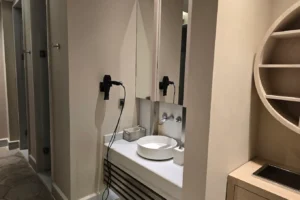
Hotel Hospitality Furniture Turkey
The global hospitality industry demands an intricate convergence of high-end interior aesthetics, uncompromised guest comfort, structural longevity, and strict regulatory compliance. Within this international matrix, hotel owners, interior architects, brand operators, and procurement directors must source FF&E (Furniture, Fixtures, and Equipment) that can withstand heavy commercial traffic while projecting an atmosphere of luxury and safety. Turkey has firmly established itself as an elite global epicenter for this specialized sector.
Sourcing Hotel Hospitality Furniture Turkey allows developers to bridge the gap between high-volume automated industrial manufacturing and bespoke, hand-detailed artisanal craftsmanship. This exhaustive, technically comprehensive guide analyzes the structural engineering, regulatory landscapes, material sciences, manufacturing clusters, and project management methodologies that define the production of Hotel Hospitality Furniture Turkey.
Hotel Hospitality Furniture Turkey
1. The Global Landscape and Industrial DNA of Turkish Hospitality FF&E
The international market for commercial hospitality furniture requires manufacturing partners who can adapt to rapid design shifts, implement strict value engineering, and guarantee predictable logistical timelines. The multi-billion-dollar ecosystem of Hotel Hospitality Furniture Turkey has experienced remarkable global expansion because it addresses these precise institutional needs.
                  ┌─────────────────────────────────┐
                  │ The Turkish Hospitality Core    │
                  └────────────────┬────────────────┘
                                   │
         ┌─────────────────────────┼─────────────────────────┐
         ▼                         ▼                         ▼
┌─────────────────┐       ┌─────────────────┐       ┌─────────────────┐
│ Raw Material    │       │ Intercontinental│       │ Technical       │
│ Independence    │       │ Logistics Speed │       │ Adaptability    │
├─────────────────┤       ├─────────────────┤       ├─────────────────┤
│ Fully localized │       │ Direct land &   │       │ Advanced hybrid │
│ supply chains   │       │ sea routes      │       │ production loops│
│ for wood, steel,│       │ avoiding long   │       │ for custom &    │
│ and textiles.   │       │ oceanic delays. │       │ modular lines.  │
└─────────────────┘       └─────────────────┘       └─────────────────┘
Complete Vertical Material Supply Chains
One of the most profound structural advantages of choosing Hotel Hospitality Furniture Turkey is the country’s complete internal self-reliance on industrial raw materials. Unlike manufacturing regions that assemble components imported from far-flung international suppliers, Turkish producers sit directly atop their own vital supply streams. Turkey is home to some of the world’s largest chipboard, high-density MDF, and timber refining industries.
Furthermore, the country features highly advanced steel mills, precision aluminum extrusion plants, and a legendary commercial textile sector centered in the Aegean and Marmara zones. This total vertical integration means that from the core structural frame to the outer performance fabric or polyurethane protective lacquer, every single element is sourced and monitored under one cohesive regulatory system. This protects global buyers from international shipping shocks and ensures unprecedented pricing stability across multi-year project rollouts.
Agile Production Architectures
Modern hotel developments rarely rely on catalog, off-the-shelf furniture pieces. Luxury properties require high degrees of custom millwork, while midscale select-service properties demand modular configurations that fit varying room layouts perfectly.
The manufacturing infrastructure supporting Hotel Hospitality Furniture Turkey is engineered for “mass customization.” Factories are systematically split into highly automated CNC panel-processing rows running concurrently with specialized, custom artisan woodworking ateliers. This unique hybrid structure allows factories to seamlessly process a high-volume, multi-thousand-unit wardrobe run for a massive resort hotel package on one side of the campus, while hand-carving custom burls or building precision-welded architectural brass elements for a luxury lobby lounge on the other.
2. Structural Engineering Standards for Commercial Hospitality FF&E
Residential furniture is designed for predictable, light use by a consistent group of occupants. In stark contrast, commercial hospitality furniture must withstand continuous, high-impact exploitation by a transient, diverse global clientele. A guestroom chair or desk cannot simply look attractive; it must be engineered to prevent structural deformation, joint loosening, or catastrophic failure under extreme physical stresses.
When international procurement teams review suppliers of Hotel Hospitality Furniture Turkey, they require detailed testing data and certification proving compliance with rigorous international safety and durability benchmarks.
             TYPICAL COMMERCIAL SIDE CHAIR TESTING MATRIX
──────────────────────────────────────────────────────────────────────────
[ Static Load Test ]      ──► 1,600 Newtons applied directly to seat cushion
[ Cyclic Fatigue Test ]   ──► 100,000 continuous cycles to backrest frame
[ Torsional Pivot Test ]  ──► Outward angular force applied to armrest posts
──────────────────────────────────────────────────────────────────────────
              Resulting Status: Certified for Severe Commercial Use
Seating Structural Integrity: EN 16139 and ANSI/BIFMA X5.4
Every lounge chair, task chair, barstool, and sofa produced within the Hotel Hospitality Furniture Turkey framework is subjected to mechanical stress simulations that replicate up to ten years of continuous, abusive commercial use.
- European Union Norms (EN 16139): This standard classifies furniture into Test Level 1 (General Use in hotels, offices, and showrooms) and Test Level 2 (Severe Use in nightclubs, public reception areas, and transport hubs). The testing procedures require applying a static downward force of up to 1,600 Newtons to the seat cushion, followed by over 100,000 cycles of continuous fatigue force applied to the backrest at specific high-stress angles.
- North American Standards (ANSI/BIFMA X5.4): For global operators tracking American safety covenants, Turkish manufacturers test seating for multi-occupant drop endurance and armrest structural deflection, guaranteeing that under unexpected heavy vertical impacts, the base frames and structural connections remain completely intact.
Casegoods and Storage Rigidity: EN 16121 and ANSI/BIFMA X5.9
Wardrobes, luggage benches, minibar consoles, and nightstands are classified as casegoods. Under EN 16121 (Requirements for safety, strength, durability, and stability of non-domestic storage furniture), Turkish factories engineer assemblies to prevent tipping hazards and mechanical hardware failures:
- Drawer Slide Longevity: Drawer runners are tested under full weight capacities (often containing up to 30 kg of internal weight) for over 50,000 continuous opening and closing cycles. Slides must operate smoothly without losing ball bearings, bending steel tracks, or experiencing gravity drifting.
- Hinge Cycling: Door hinges must survive high-frequency cyclic testing without sagging. If a wardrobe door sags by even 1mm, it will misalign with adjacent doors, ruining the architectural lines of the room and compromising the soft-close functionality.
Advanced Mechanical Joinery Techniques
To survive decades of commercial cleaning, luggage impacts, and guest usage, manufacturers of Hotel Hospitality Furniture Turkey avoid generic staples, light brad nails, or weak dowels. Instead, they use complex, heavy-duty mechanical joinery configurations:
- True Mortise-and-Tenon Framing: Hardwood frames for sofas and chairs are machined using computer-controlled 5-axis CNC routers to create interlocking mortise-and-tenon structural joints. These joints are pressure-infused with moisture-resistant, cross-linking polyvinyl acetate (PVA) industrial adhesives, creating a bond that is physically stronger than the native wood cells themselves.
- Threaded Metal-to-Metal Inserts: For casegoods that are shipped knocked-down (KD) to optimize international shipping volumes, Turkish engineers embed solid brass or hardened steel threaded inserts directly into the inner wood substrates. This allows the installation crews on the job site to secure heavy-duty steel connecting bolts tightly without stripping wood fibers. This engineering feature ensures that if the furniture ever needs to be disassembled and relocated during a future deep carpet cleaning or minor room painting cycle, it can be put back together without losing any of its initial structural rigidity.
3. Materials Science: Balancing Hospitality Aesthetics with Longevity
The selection of materials for Hotel Hospitality Furniture Turkey represents a deep study in balancing interior design visions with long-term commercial durability. Every material utilized must survive exposure to aggressive daily commercial sanitization chemicals, ultraviolet sun exposure through massive floor-to-ceiling panoramic windows, and accidental impacts from heavy rolling guest luggage.
Engineered Wood Substrates vs. Solid Hardwoods
A common misconception among amateur hospitality buyers is that high-end furniture should be constructed entirely from solid hardwood. In reality, large flat panels made of solid wood will naturally warp, bow, cup, or split when exposed to fluctuating relative humidity and temperature cycles caused by hotel smart energy systems constantly switching HVAC units on and off as guests enter and exit rooms.
Consequently, leading producers of Hotel Hospitality Furniture Turkey rely on highly stable, engineered wood science:
- High-Density Moisture-Resistant MDF (Medium-Density Fiberboard): Sourced from premium local suppliers, this substrate features a tight internal fiber matrix and an uniform core density exceeding \(750 \text{ kg/m}^3\). It serves as the definitive structural baseline for guestroom desk tops, custom headboard panels, and heavy entry wardrobe doors, providing a dead-flat surface that completely eliminates dimensional movement.
- Marine-Grade Multi-Layer Plywood: For wet environments such as bathroom vanity structures, under-sink millwork, and spa locker systems, Turkish manufacturers implement cross-laminated marine plywood. Each individual wood layer is pressed using waterproof phenolic resins, ensuring that even if water pools under a sink, the panel will not delaminate, swell, or cultivate toxic mold spores.
Advanced Veneer Pressing and Matching Technologies
To provide the luxurious warmth of premium hardwoods, these engineered cores are wrapped in high-grade architectural veneers. Turkish factories utilize automated veneer matching and slicing machinery to create breathtaking visual symmetry across an entire room layout:
- Flawless Splicing Methods: Natural veneers (such as American Walnut, European Oak, Figured Ash, or exotic Ebony) are cut into precise leaves and stitched side-by-side using advanced zig-zag thread splicers or invisible edge-gluing lines.
- Visual Continuity Layouts: Designers can specify book-matched layouts (where alternating veneer sheets are flipped like book pages to form symmetrical grain mirrors), slip-matched profiles (creating a uniform, linear repeating pattern), or radial sunburst layouts frequently found on premium circular conference tables or luxury presidential dining configurations.
       [ Book-Matched Veneer ]                  [ Slip-Matched Veneer ]
        ┌───┐───┬───┬───┐                        ┌───┬───┬───┬───┐
        │ / │ \ │ / │ \ │                        │ / │ / │ / │ / │
        │/  │  \│/  │  \│                        │/  │/  │/  │/  │
        └───┴───┴───┴───┘                        └───┴───┴───┴───┘
         (Symmetrical Mirrors)                    (Uniform Linear Repeating)
High-Pressure Laminates (HPL) and Sintered Stones
For properties carrying intense usage cycles—such as airport hotels, student housing crossovers, extended-stay brands, or high-turnover family resorts—the vertical face surfaces are often upgraded from veneer to cutting-edge technological materials:
- Compact HPL Performance: Impregnated with advanced phenolic resins and pressed under immense thermal loads greater than 5 MPa, high-pressure laminates provide an impermeable surface face. This skin is highly resistant to impact fractures, deep scratches from guest keys, cigarette burns, and the harsh chemical solvents used by housekeeping teams during deep sanitization runs.
- Sintered Stones and Premium Engineered Quartz: For luggage benches and main desk surfaces, Turkish manufacturers integrate ultra-thin sintered porcelain sheets (such as Neolith, Dekton, or domestic equivalents like Lamar). These materials are entirely non-porous, meaning red wine, hot coffee, or leaked cosmetic oils will never penetrate the surface or leave permanent stains.
4. Regulatory Safety Matrix: Fire Retardancy and Green Standards
In the modern international compliance landscape, a hospitality asset cannot open its doors to the public without providing certified verification that every fabric, foam padding layer, and surface finish complies with national building safety codes. Manufacturers of Hotel Hospitality Furniture Turkey have aligned their entire procurement and chemical processing lines with global flame-retardant and indoor environmental safety protocols.
International Fire Safety Compliance Framework
Upholstered items in public lobby spaces, corridors, bars, and guestrooms represent a major risk zone for smoke inhalation and rapid fire spread if left untreated. Turkish furniture exporters work alongside specialized chemical laboratories to treat and certify every soft-good component to meet various international fire standards:
| Regulatory Code | Geographic Jurisdictions | Core Compliance Focus | Testing Protocol Overview |
|---|---|---|---|
| BS 5852 (Crib 5) | United Kingdom, Middle East, Commonwealth Nations | Flame propagation across upholstered seating assemblies under direct flaming loads. | Uses a structured wooden “crib” ignition source placed directly onto the chair fabric joints to evaluate self-extinguishing parameters within 10 minutes. |
| CAL Technical Bulletin 117 | North American Markets, Global Hotel Franchises | Smolder resistance of elastic component fillings, foams, and outer decorative textile barriers. | Uses a controlled cigarette ignition simulation to measure vertical char length and prevent rapid flashover scenarios in public guestrooms. |
| EN 1021 (Parts 1 & 2) | European Union, International Maritime Organization (IMO) | Baseline resistance to smoldering cigarettes and match-flame equivalent gas burners. | Simulates small, localized ignition accidents across public lounge seating to track initial smoke generation and surface flame speed. |
Low-Emission Finishes and Green Building Certificates (LEED / BREEAM)
To attract modern institutional investment, new hotel constructions target sustainable green building classifications like LEED (Leadership in Energy and Environmental Design) or BREEAM. The Hotel Hospitality Furniture Turkey industry actively supports these targets by completely re-engineering its chemical finishing rooms:
- Zero-Formaldehyde Substrates: Particleboards and MDF sheets are specified with E0 or Ultra-Low Formaldehyde (ULEF) bonding resins, eliminating the classic “new furniture” chemical off-gassing that irritates guest respiratory tracts.
- Waterborne Polyurethane and UV-Cured Acrylic Topcoats: Moving away from traditional, highly toxic solvent-based lacquers, modern Turkish finishing lines utilize advanced water-based acrylics and ultraviolet-cured topcoats. These formulations feature near-zero Volatile Organic Compounds (VOCs). This step ensures pristine indoor air quality (IAQ) inside confined guestrooms, while delivering a highly durable surface that resists yellowing or cracking when exposed to direct sunlight.
5. Architectural Textile Science and Upholstery Engineering
The textile component of Hotel Hospitality Furniture Turkey represents a major pillar of its global reputation. Bursa, a Turkish industrial province with a silk and textile trade history spanning over a thousand years, houses some of the most technologically advanced commercial fabric mills in the world today.
       [ Hydrophobic Barrier ]  ──► Prevents liquid penetration (spills bead up)
       [ Oleophobic Shield ]    ──► Rejects bodily oils and greasy food stains
       [ Antimicrobial Shield ] ──► Neutralizes bacteria, odor, and mildew spores
High-Abrasion Performance Metrics (The Martindale Method)
For residential use, a fabric that withstands 15,000 rubs is considered acceptable. However, for a high-turnover all-day dining restaurant in a 5-star hotel, a fabric with that rating would wear thin, pill, and tear within months. Turkish textile laboratories engineer performance fabrics to achieve outstanding longevity scores:
- Severe Commercial Ratings: Public space fabrics are woven to withstand between 50,000 and over 100,000 continuous rubs under the standardized Martindale Abrasion Test. This procedure uses a specialized mechanical arm to rub an abrasive wool cloth against the test fabric under continuous pressure until thread breakage occurs.
- Pilling Resistance: Fabrics are structurally tightly bound to achieve a Pilling Rating of Grade 4-5 (indicating zero or completely negligible surface fiber tangling), keeping chairs looking brand-new even after years of continuous guest movement.
Intrinsic Nano-Technology Treatments
Rather than merely spraying a temporary topical protective coating over a finished chair, producers of Hotel Hospitality Furniture Turkey utilize fabrics treated at the deep yarn level with advanced nanotechnology coatings (such as Teflon, Crypton, or specialized local equivalents):
- Hydrophobic and Oleophobic Properties: Liquids like hot coffee, acidic orange juice, red wine, or greasy food spills cannot soak into the yarn fibers. Instead, they bead up elegantly on the surface, allowing housekeeping teams to quickly lift the spill away using a clean microfiber cloth without leaving ghost halos or permanent stains.
- Antimicrobial and Anti-Mildew Barriers: For humid resort locations, beachfront properties, or high-moisture indoor pool wellness spaces, fabrics are infused with silver-ion or specialized antimicrobial shields. This treatment neutralizes bacteria, eliminates stale odors, and prevents the growth of black mildew spores, protecting guest health and extending the operational lifespan of the internal foam structures.
6. Industrial Clusters and Regional Specialization Matrix
Turkey’s global manufacturing dominance is amplified by its concentrated regional production hubs. The Hotel Hospitality Furniture Turkey market is not a single, unstructured network spread randomly across the map; rather, it is a highly integrated industrial ecosystem divided into distinct geographic zones. Each region operates with its own clear engineering specialties, material advantages, and pricing strategies.
       ┌────────────────────────────────────────────────────────┐
       │   Regional Specialization Map of Turkish FF&E         │
       └───────────────────────────┬────────────────────────────┘
                                   │
         ┌─────────────────────────┼─────────────────────────┐
         ▼                         ▼                         ▼
┌─────────────────┐       ┌─────────────────┐       ┌─────────────────┐
│ Istanbul Zone   │       │ İnegöl (Bursa)  │       │ Kayseri Hub     │
├─────────────────┤       ├─────────────────┤       ├─────────────────┤
│ • Bespoke luxury│       │ • High-volume   │       │ • Heavy industrial│
│ • Mixed-material│       │   modular lines │       │   standardization│
│ • Avant-garde   │       │ • Advanced CNC  │       │ • Metal-wood    │
│   engineering   │       │   panel plants  │       │   mass production│
└─────────────────┘       └─────────────────┘       └─────────────────┘
1. The Istanbul Zone (MASKO, Modoko, and Specialized Suburbs)
Istanbul is the undisputed creative heart and advanced engineering capital of the Turkish furniture industry.
- Core Technical Competency: This cluster focuses on hyper-customization, high artisan detail, and complex mixed-material engineering. Istanbul factories work directly with world-renowned interior design firms to develop custom FF&E packages.
- Material Synergies: Istanbul excels at blending materials: incorporating custom-cast architectural bronze, hand-forged wrought iron, specialized structural glass sheets, and exotic book-matched marble or quartzite slabs into singular, complex hospitality pieces.
- Target Market Segment: The Istanbul zone is optimized for premium, high-prestige projects—such as luxury 5-star flagship properties, palace conversions, historic boutique properties, and ultra-high-net-worth presidential suites.
2. The İnegöl (Bursa) Cluster: The Center of Advanced Modular Production
İnegöl is an industrial phenomenon, presenting an interconnected network of automated manufacturing plants operating within a fully optimized layout.
- Core Technical Competency: This region is the global epicenter for precision modular casegoods production. The factories feature major capital investments in high-end European machinery lines, including automated computer-controlled panel sizing saws, multi-axis high-speed CNC machining hubs, and laser edge-banders that apply edge strips with zero visible glue lines.
- Target Market Segment: İnegöl is the primary sourcing hub for massive, high-volume Hotel Hospitality Furniture Turkey packages. It is ideal for midscale 3-star and 4-star select-service properties, sprawling commercial holiday resorts, large airport business hotels, and extensive serviced-apartment projects that require strict dimensional uniformity, aggressive cost controls, and short production lead times.
3. The Kayseri Hub: The Automated Heavy Industrial Powerhouse
Located in the central Anatolian industrial zone, Kayseri features massive manufacturing footprints operating on a sprawling scale.
- Core Technical Competency: Kayseri factories excel at massive scale, structural metal stamping, automated robotic welding lines, and fully integrated upholstery foam pouring systems. This region treats furniture production with the same systematic precision that automotive plants apply to vehicle assembly.
- Target Market Segment: Kayseri is optimized for massive contract accounts, large-scale international chain hotel franchises, military accommodations, international student residential housing blocks, and budget hospitality brands that prioritize high durability, steel-frame seating bases, and extreme standardization across thousands of identical room layouts.
7. Value Engineering (VE) and Technical Proactive Design
A frequent issue in international hospitality procurement is an interior design concept that looks stunning in renderings but proves prohibitively expensive to manufacture or physically unstable under real-world commercial traffic. Top-tier providers of Hotel Hospitality Furniture Turkey act as collaborative technical partners rather than passive assembly lines, deploying specialized Value Engineering (VE) departments to optimize designs before production begins.
       CONCEPTUAL DESIGN DETAIL                     VALUE ENGINEERED ALTERNATIVE
──────────────────────────────────────────────────────────────────────────
[Solid Marble Vanity Tops] ──► [VE Structural Review] ──► [Sintered Quartz Surface]
• High risk of staining/etching                            • Zero chemical porosity
• High weight requires heavy frame                         • Lighter, high-tensile load
• Hidden structural fissures                              • Perfect material uniformity
──────────────────────────────────────────────────────────────────────────
                               Result: Equal Luxury Look + Substantial CapEx Savings
Material Substitutions Without Aesthetic Compromise
When analyzing a project’s technical specifications and Bill of Quantities (BOQ), Turkish value engineers look for smart material substitutions that preserve the designer’s intent while maximizing durability and lowering capital expenditure (CapEx):
- Stabilized Countertop Engineering: If a designer specifies a rare solid Nero Marquina marble for thousands of guestroom luggage and vanity benches, the value engineering team might point out that natural marble is prone to staining from guest colognes or scratching from rough suitcase wheels. They will propose a transition to a high-end sintered quartz or porcelain surface that perfectly mirrors the black-and-white veining of the marble, but offers complete chemical resistance, zero porosity, and a significantly higher scratch-resistance score.
- Substrate Optimization: If a wall paneling section is detailed with solid walnut timbers, the team can re-engineer the system using high-density, fire-rated MDF cores wrapped in architectural walnut veneer layons. This alteration preserves the rich visual warmth of natural walnut while lowering material costs and completely eliminating the risk of panel warping or joint cracking due to seasonal humidity changes.
Optimizing Volumetric Configurations for Container Logistics
Shipping empty air across oceans or continents is a major source of wasted capital in hospitality logistics. Turkish engineering teams use advanced 3D packaging simulation software to optimize how furniture components fit together:
- Smart Flat-Pack Engineering: Complex items like large desks or multi-door wardrobes are designed to be shipped knocked-down (KD), using precise pre-drilled structural connection points. This optimization allows factories to pack up to three times as many room packages into a single 40ft High Cube (HC) container compared to shipping pre-assembled units.
- Lower Freight and Safe Handling: This structural compacting substantially reduces cross-border freight costs per room. It also minimizes internal movement within the container during maritime transport, drastically reducing shipping damage and finish scuffs before the furniture arrives at the job site.
8. Sourcing Protocols, Quality Gates, and Mock-up Rooms
Sourcing a complex Hotel Hospitality Furniture Turkey contract requires a highly transparent, systematic project management workflow. This structured progression ensures that the interior architect’s vision, the owner’s budget guidelines, and the factory’s final production output remain perfectly aligned throughout every phase of the project lifecycle.
┌────────────────────────┐       ┌────────────────────────┐       ┌────────────────────────┐
│   Phase 1: Drawings    │──────►│    Phase 2: Mock-up    │──────►│   Phase 3: Production  │
│   & Submittal Boards   │       │   Verification Gate    │       │     & Quality Gates    │
└────────────────────────┘       └────────────────────────┘       └────────────────────────┘
Phase 1: Technical Shop Drawings and Material Submittal Boards
The procurement journey begins with the factory’s engineering department translating the designer’s creative concept renderings into precise technical shop drawings:
- Millimetric Detail Execution: Every structural fastener, concealed cable management pathway, ventilation cutout for mini-refrigerators, LED strip channel profile, and structural joint tolerance is mapped out down to the millimeter.
- Physical Material Submittals: Concurrently, the manufacturer prepares physical material submittal boards containing labeled samples of the exact wood veneer cuts, specific fabric swatches stamped with performance data, metal plating cross-sections, and lacquer gloss level cards. Mass production can only proceed once the client, operator brand, and interior architects formally sign off on these technical packages.
Phase 2: The Critical Mock-up Room Verification Gate
For hotel development projects exceeding a standard room count, manufacturing a physical mock-up room is a mandatory, non-negotiable quality gate before mass production lines are unleashed.
- Real-World Testing Environment: The factory builds one complete set of room furniture exactly to the approved shop drawings and material samples. This mock-up suite is either installed in a dedicated review zone at the Turkish factory campus or shipped directly to the active hotel construction site for field evaluation.
- Ergonomic and Aesthetic Check: The mock-up allows all stakeholders to walk through the space, test the height and comfort of chairs, verify the smooth operation of soft-close drawers, check integrated light switches, and see how the fabric finishes respond to the room’s actual ambient lighting. Any required adjustments, dimensional modifications, or hardware updates are documented in a formal review protocol and integrated into the global blueprints before full production begins.
Phase 3: Systematic Production Progress and Four Quality Gates
Once the mock-up room is signed off, full-scale mass production commences under a strict Quality Assurance (QA) regimen divided into four clear manufacturing gates:
[ Gate 1: Raw Materials ] ──► Verifies timber moisture content (<8%) & metal gauge.
[ Gate 2: CNC Milling ]    ──► Audits dimensional cuts using high-precision electronic calipers.
[ Gate 3: Upholstery ]     ──► Inspects frame glue cure lines & foam density consistency.
[ Gate 4: Final QA Gate ]  ──► Validates drawer slide alignment, leveling, and soft-close.
9. Global Logistics, Export Protocols, and Protective Packaging Architecture
Successfully executing a international Hotel Hospitality Furniture Turkey project requires more than manufacturing expertise; it demands flawless management of cross-border customs regulations, heavy freight distribution networks, and advanced protective packaging engineering.
Strategic Logistical Corridors to Global Markets
- The Euro-Zone Road Freight Network: For projects located across Continental Europe, Scandinavia, or the United Kingdom, Turkey possesses an unmatched logistical asset—its massive intermodal road freight network. Standard mega-trailers and specialized box trucks can transport furniture packages directly from factory doors in Bursa or Istanbul straight to the hotel construction site. This land-based transport completely eliminates intermediate port container handlings, bypasses oceanic storm delays, and delivers a highly predictable transit window of 5 to 9 days.
- Advanced Maritime Infrastructure: Flanked by deep-water maritime hubs including Ambarlı (Istanbul), Gemlik (Bursa), and Mersin, Turkish exporters maintain high-frequency vessel looping contracts with top international shipping lines. This maritime network allows large container allocations to move efficiently toward North American, African, and Middle Eastern deepwater ports with minimal delay.
Regulatory Customs Agreements and the EU Customs Union
- The EU Customs Union Framework: Because Turkey belongs to the European Union Customs Union, goods traveling between Turkish factories and EU member nations move free of customs duties or restrictive import quotas. Exporters issue an A.TR movement certificate, accelerating border customs clearances and protecting European developers from unexpected import fees or tariffs.
- Expansive Global FTA Footprint: Turkey maintains active Free Trade Agreements (FTAs) with dozens of nations worldwide, including the UK, South Korea, and various Middle Eastern and African states, providing strategic financial advantages to international buyers.
Technical Packaging Engineering for Heavy Freight
Hospitality furniture faces significant risk of moisture absorption, finish scuffing, and corner crushing during long transit legs. Turkish export facilities design packaging using multi-layer technical protection profiles:
┌────────────────────────────────────────────────────────┐
│        Multi-Layer Protective Packing Profile           │
├────────────────────────────────────────────────────────┤
│ Layer 1: Polyethylene Micro-Foam Wrap                  │
│   ↳ Blocks ambient humidity and prevents light scuffs. │
├────────────────────────────────────────────────────────┤
│ Layer 2: High-Density Edge Protectors                  │
│   ↳ Reinforces corners against crushing forces.       │
├────────────────────────────────────────────────────────┤
│ Layer 3: 5-Ply Heavy BC-Flute Corrugated Carton        │
│   ↳ Absorbs external structural impacts.               │
├────────────────────────────────────────────────────────┤
│ Layer 4: ISPM-15 Certified Heat-Treated Pallet/Crate   │
│   ↳ Prevents forklift damage & meets quarantine laws.  │
└────────────────────────────────────────────────────────┘
10. On-Site Field Installation and Long-Term Asset Management
The final measure of hotel FF&E quality is realized during the on-site installation phase. No matter how perfectly a wardrobe or bed base is engineered in a Turkish factory, improper handling or poor leveling on-site will lead to operational failure. Sourcing Hotel Hospitality Furniture Turkey packages from top contract suppliers includes comprehensive field operations support.
Professional Supervisor Deployment
Leading Turkish manufacturers deploy dedicated installation supervisors directly to international project sites. These field engineers work closely with local installation teams, translate shop drawings, track assembly sequences, and interface with the principal fit-out general contractor to manage critical site dependencies—such as making sure integrated desk power outlets line up flawlessly with wall-embedded electrical rough-ins.
Crucial On-Site Installation Rules
- Site Environmental Conditioning: Furniture must never be unboxed or installed in a cold, damp, unconditioned construction zone. The building’s permanent HVAC systems must be active for at least 48 to 72 hours beforehand to stabilize ambient humidity levels between 40% and 60% and temperatures between 18°C and 24°C. This step prevents natural wood substrates from absorbing excess moisture and swelling.
- Precision Leveling Adjustments: Real-world floors and drywalls are rarely perfectly flat. Installers must use precision spirit levels or laser levels to adjust the furniture’s heavy-duty concealed leveling glides. This step ensures that wardrobe doors hang straight, drawer runners slide smoothly without gravity drifting, and adjacent joints sit completely flush.
[ Correct Leveling Alignment ]             [ Incorrect Leveling (Gravity Drift) ]
 ┌───────────────┐                          ┌───────────────┐
 │░░░░░░░░░░░░░░░│                          │░░░░░░░░░░░░░░░│
 │               │                          │ \             │
 │ Door Hangs    │                          │   \ Door Sags │ ◄── Binds & Scrapes!
 │ Perfectly     │                          │     \         │
 │ Straight      │                          │       \       │
 └───────────────┘                          └───────────────┘
Preventative Asset Maintenance for Hotel Engineering Teams
To preserve your FF&E investment and extend refurbishment cycles, hotel facilities teams should follow a regular preventative maintenance schedule:
- Hardware Torque Verification: Every six months, inspect and tighten structural connection bolts on high-frequency items like luggage racks, task chairs, and desk bases.
- Gasket and Soft-Close Tuning: Periodically adjust hinge tensioners and drawer runners to compensate for subtle structural wall settling, keeping door reveals straight and soft-close pistons smooth.
- Fabric Care Program: Vacuum upholstered items weekly to remove abrasive micro-dust particles from yarn joints, and treat spills immediately using approved water-free solvent cleaners to preserve the fabric’s protective nanotechnology layer.
Conclusion: Sourcing Roadmap for Global Procurement Teams
Sourcing a complex furniture package via the Hotel Hospitality Furniture Turkey sector offers an exceptional balance of upfront capital optimization, custom design freedom, and long-term operating durability. As you outline your procurement strategy, keep these critical items top of mind:
- Select the Ideal Regional Cluster: Send high-volume, modular select-service hotel designs toward the automated lines of İnegöl or Kayseri. Direct intricate, custom-engineered luxury hospitality visions to the artisan production houses of Istanbul.
- Demand Formal Commercial Certifications: Ensure your chosen manufacturer provides certified laboratory test data confirming structural compliance (e.g., EN 16139 for seating) and your required local fire safety protocols (such as BS 5852 Crib 5 or CAL 117).
- Leverage Value Engineering Early: Engage your manufacturing partner’s engineering team during the shop drawing phase to optimize joint durability, select stable engineered substrates, and maximize container packing efficiency.
- Maintain Production Quality Gates: Never bypass the physical mock-up room review phase, and ensure every container uses heavy, multi-layered export packing to guarantee your furniture arrives on-site in pristine, installation-ready condition.
By partnering with Turkey’s advanced contract hospitality furniture manufacturers, you can deliver stunning, code-compliant, and durable spaces that protect guest well-being and maximize project value for decades to come.
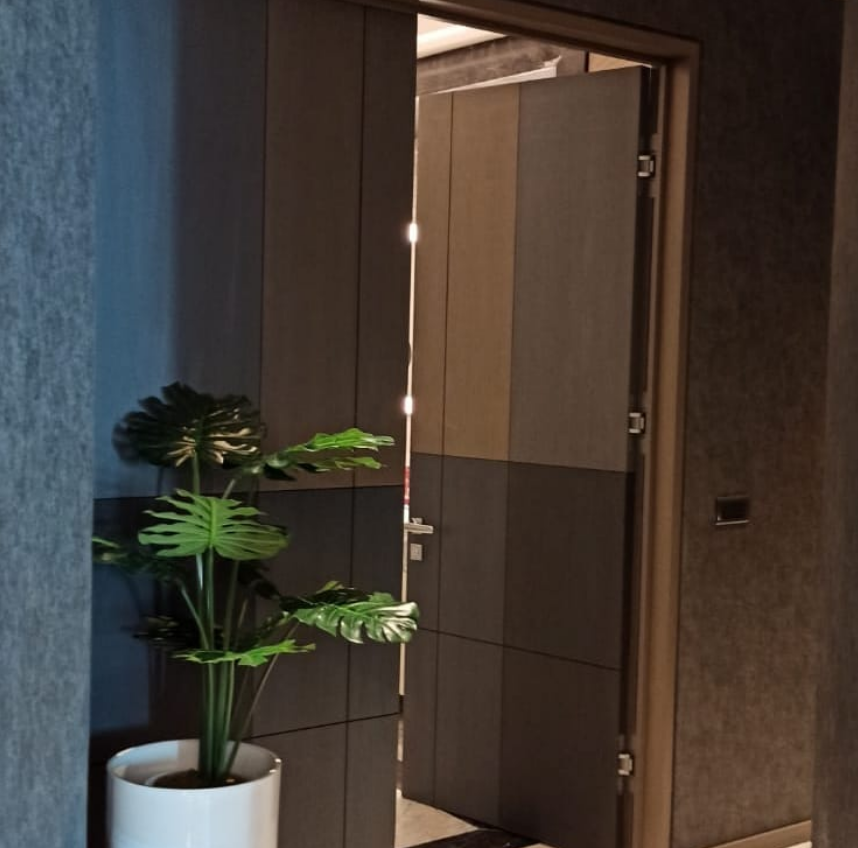
Butik Otel Mobilyaları
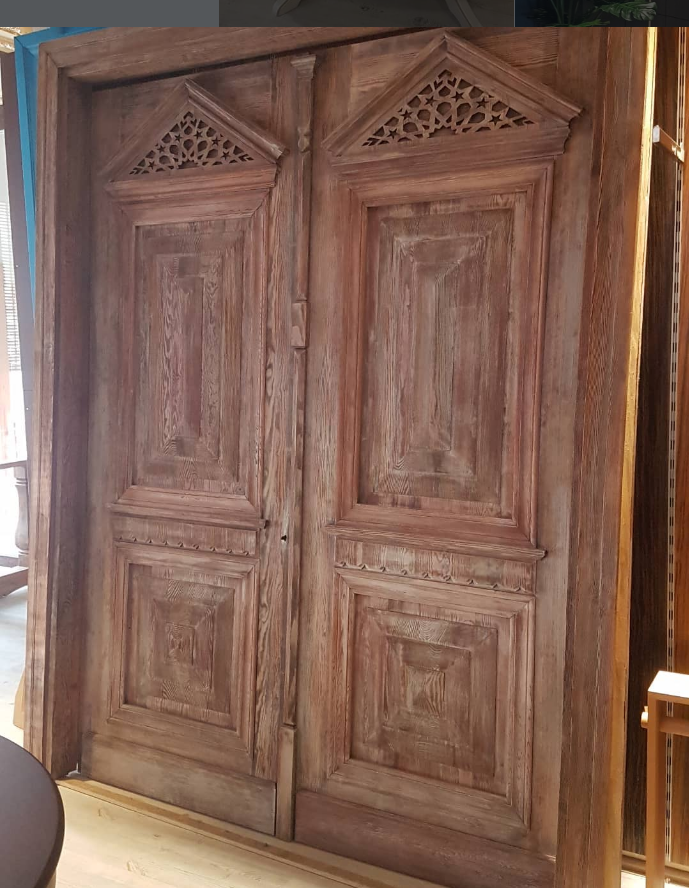
Butik Otel Mobilyaları
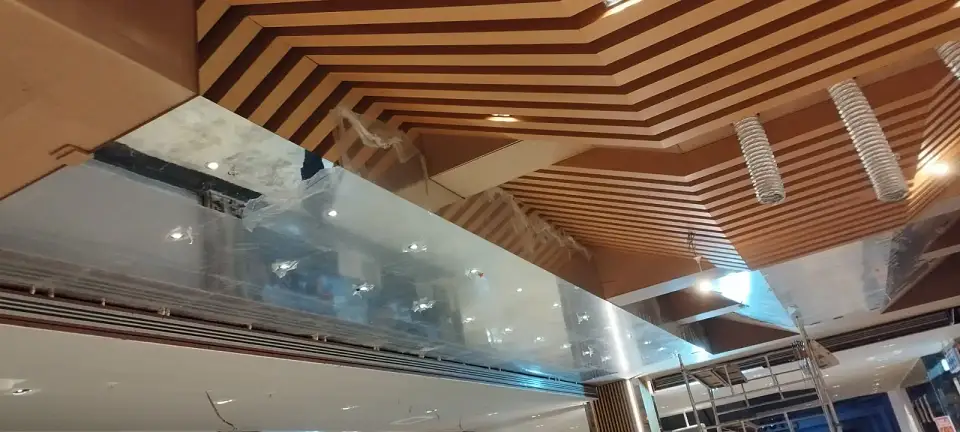
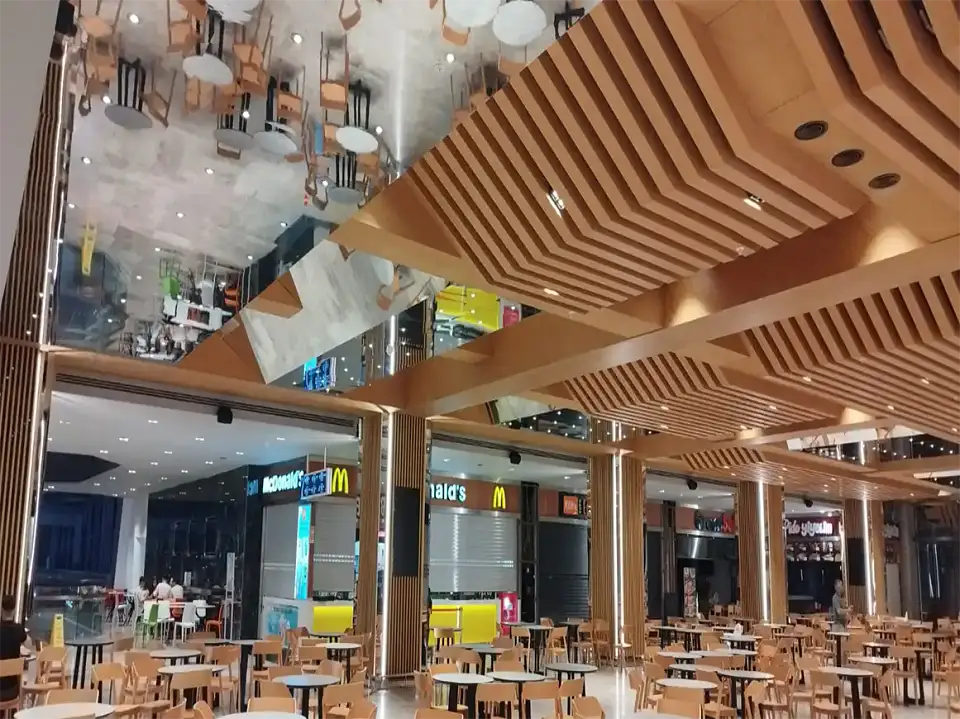
Butik Otel Mobilyaları
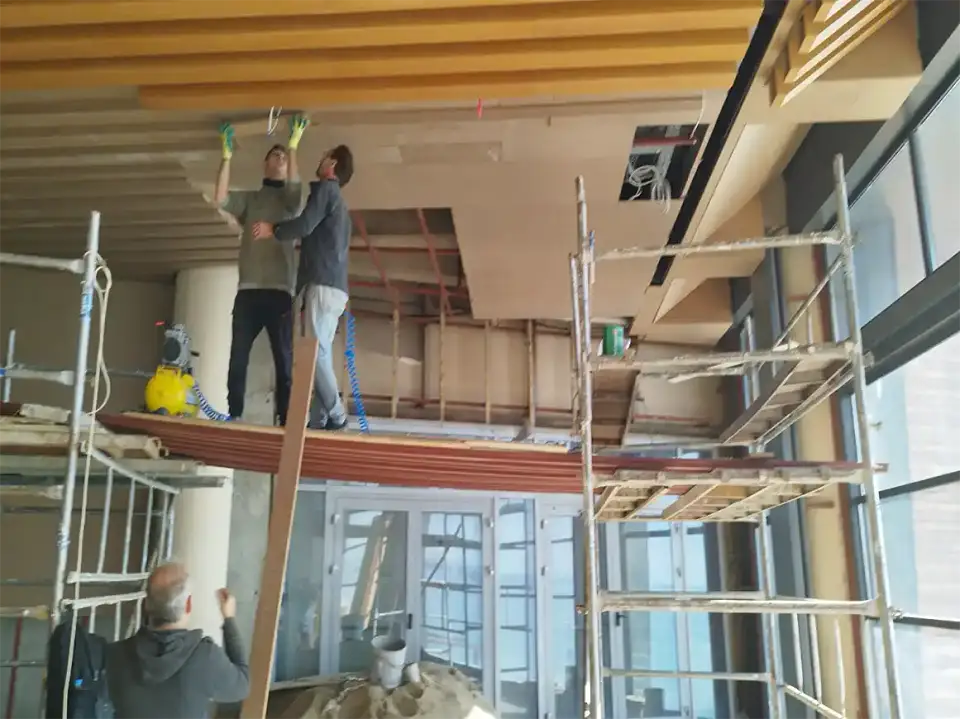
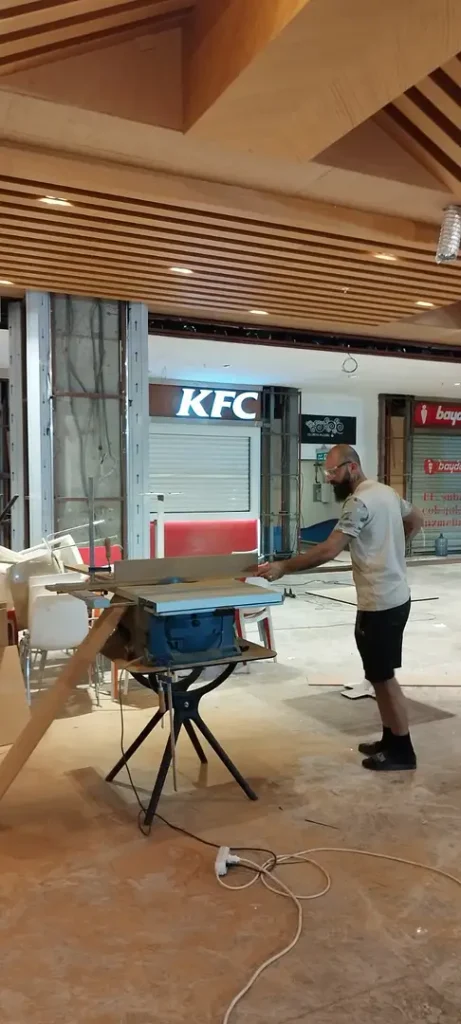
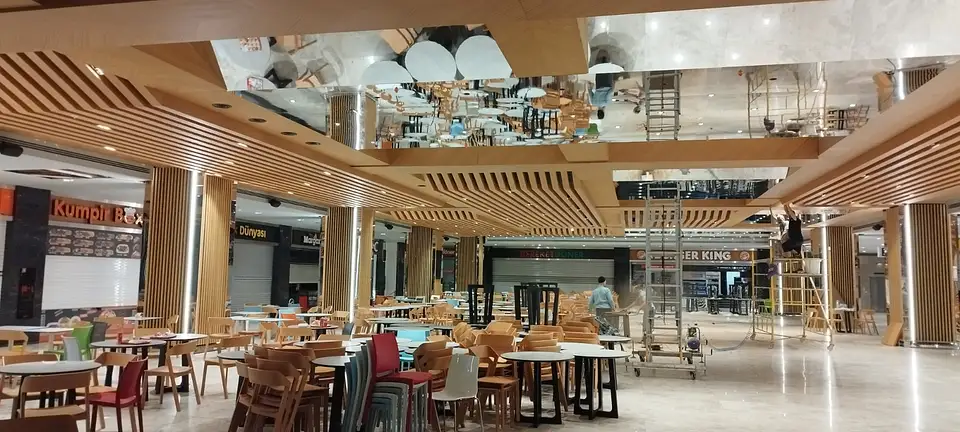
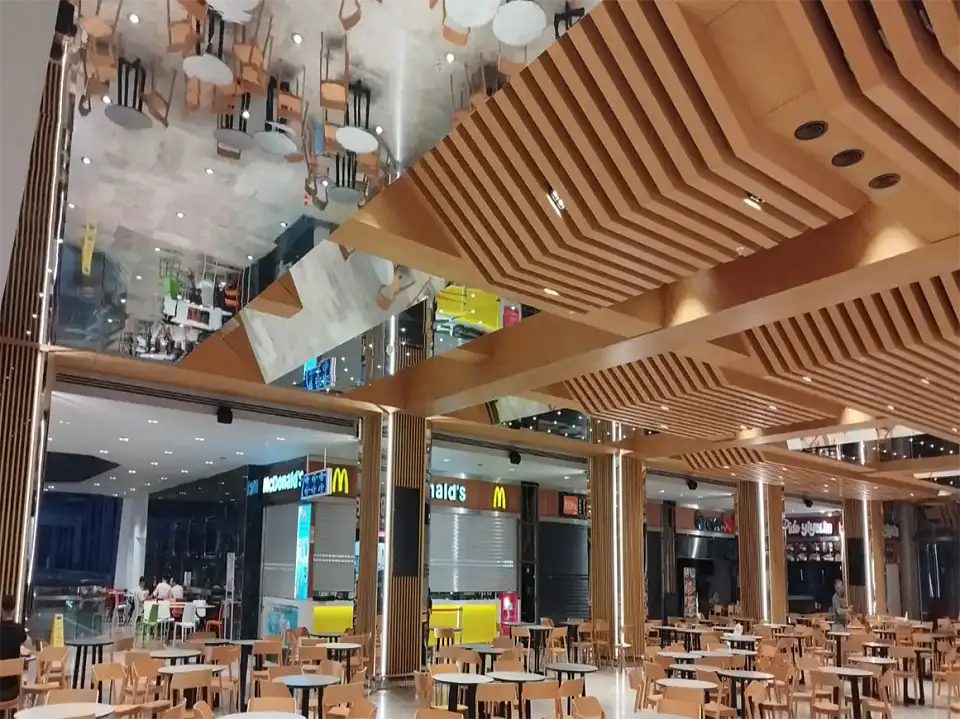
Tarihi Binaların Ahşap Dekorasyonları
Tarihi Ahşap restorasyonlari Kapılar
Tarihi binaların mobilya dekorasyonları
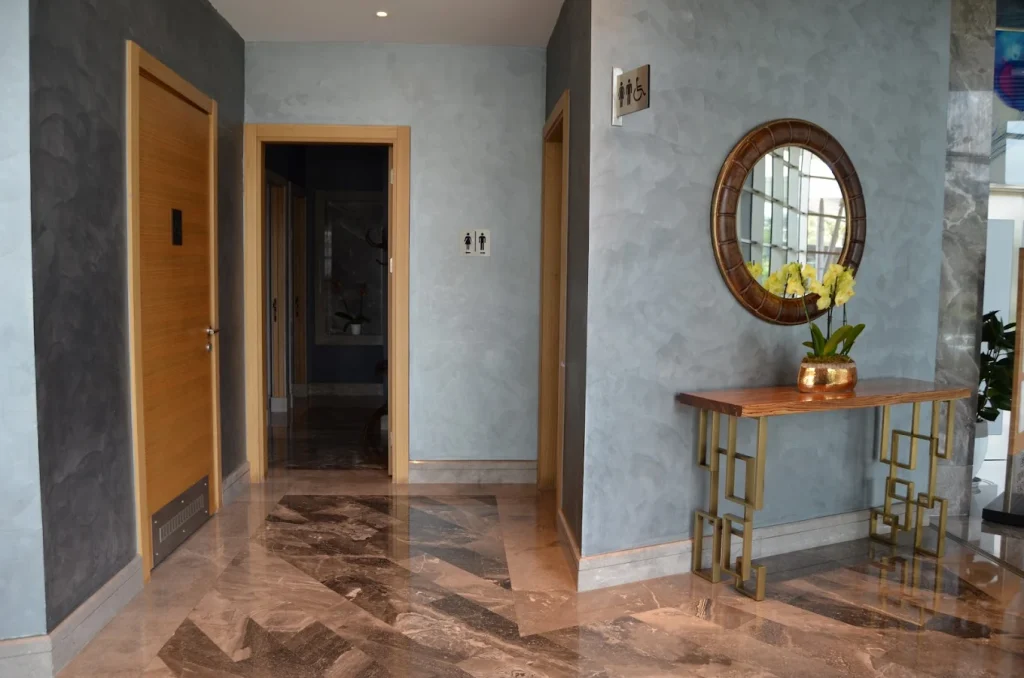
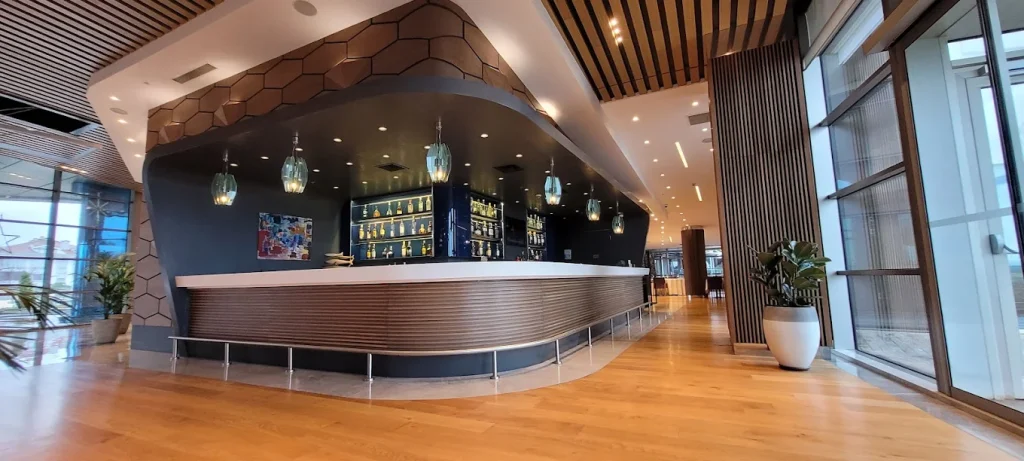
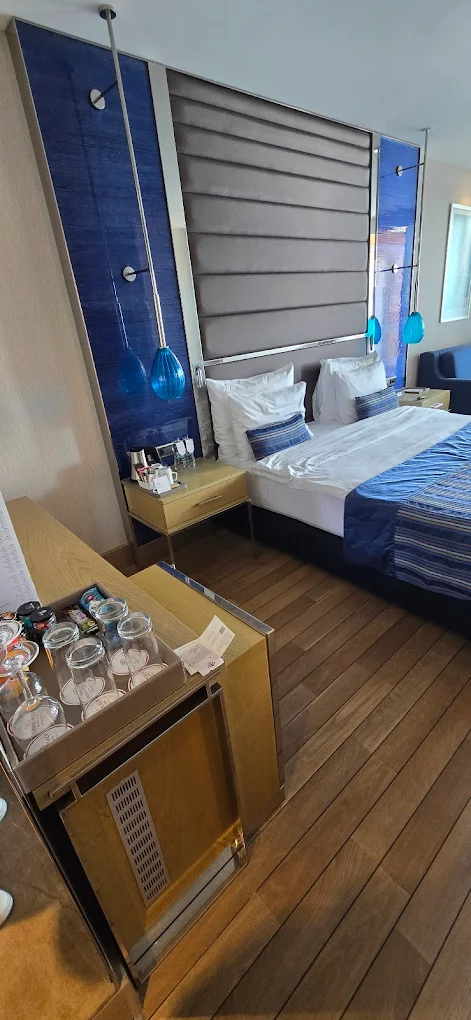
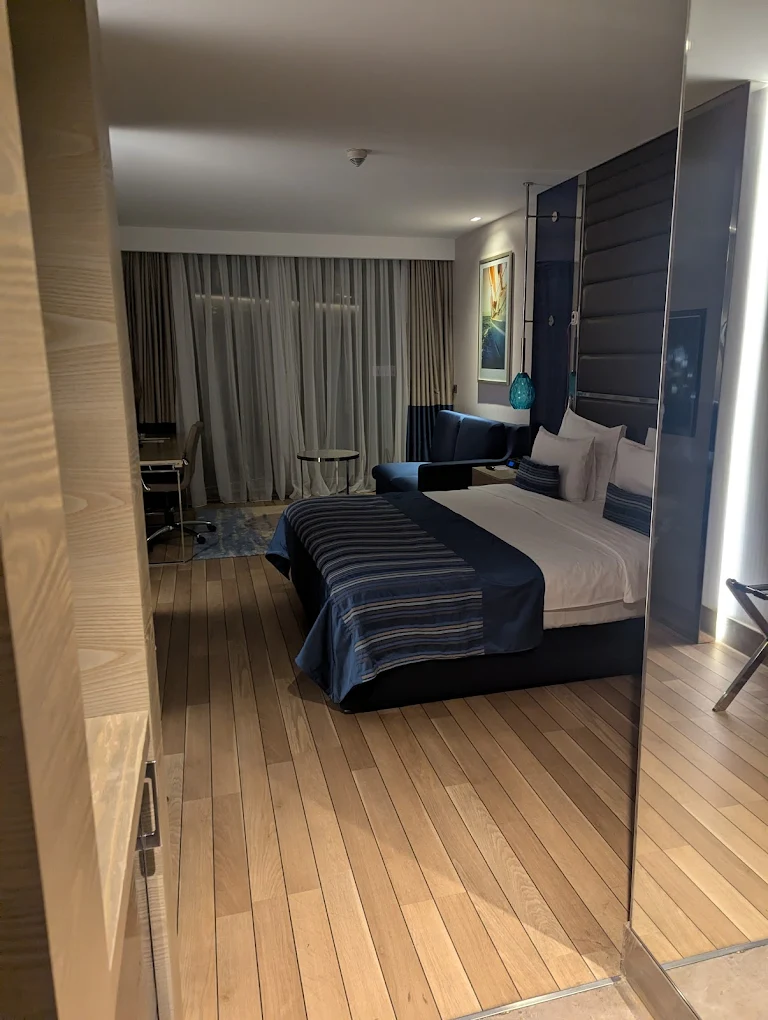
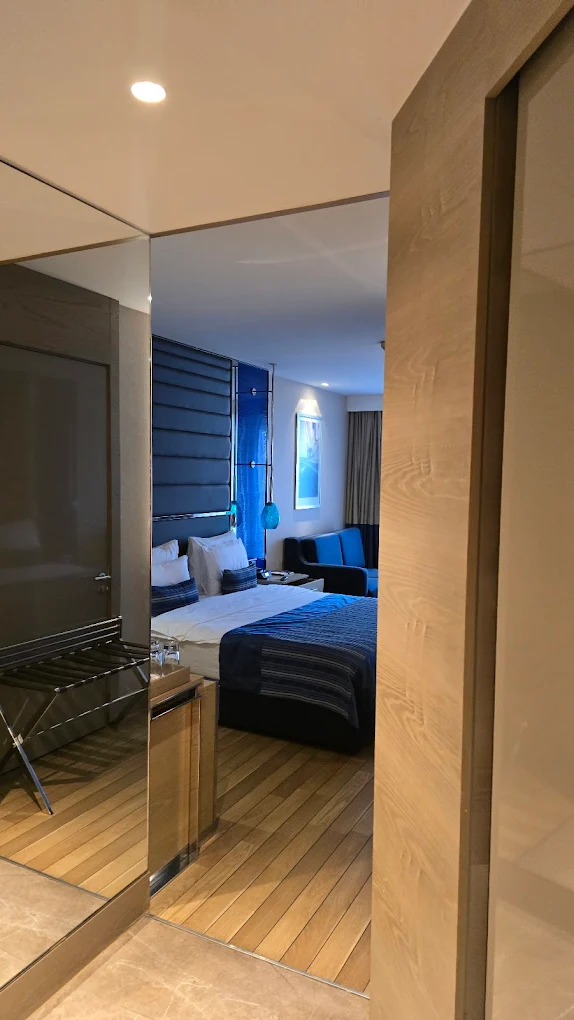

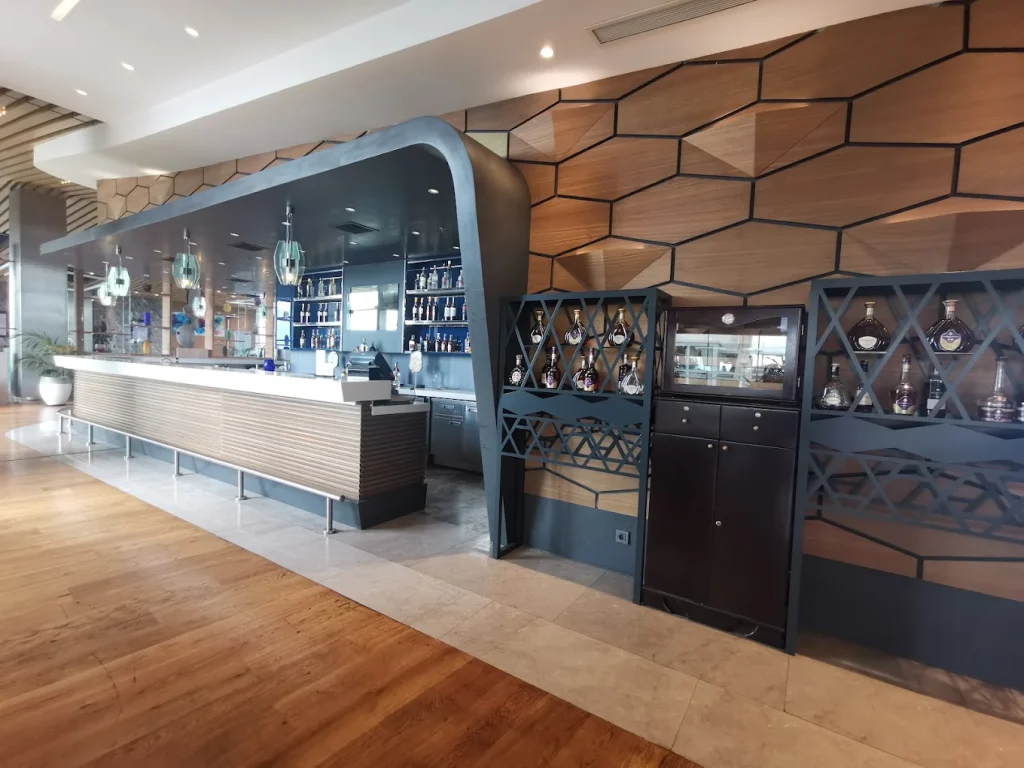

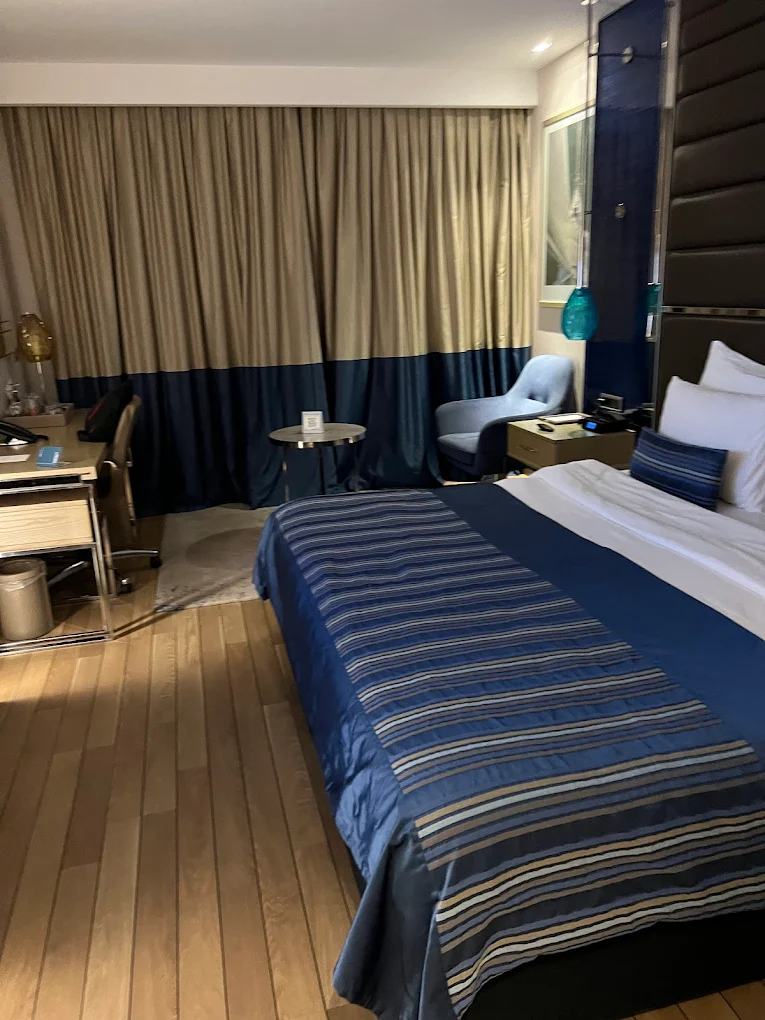


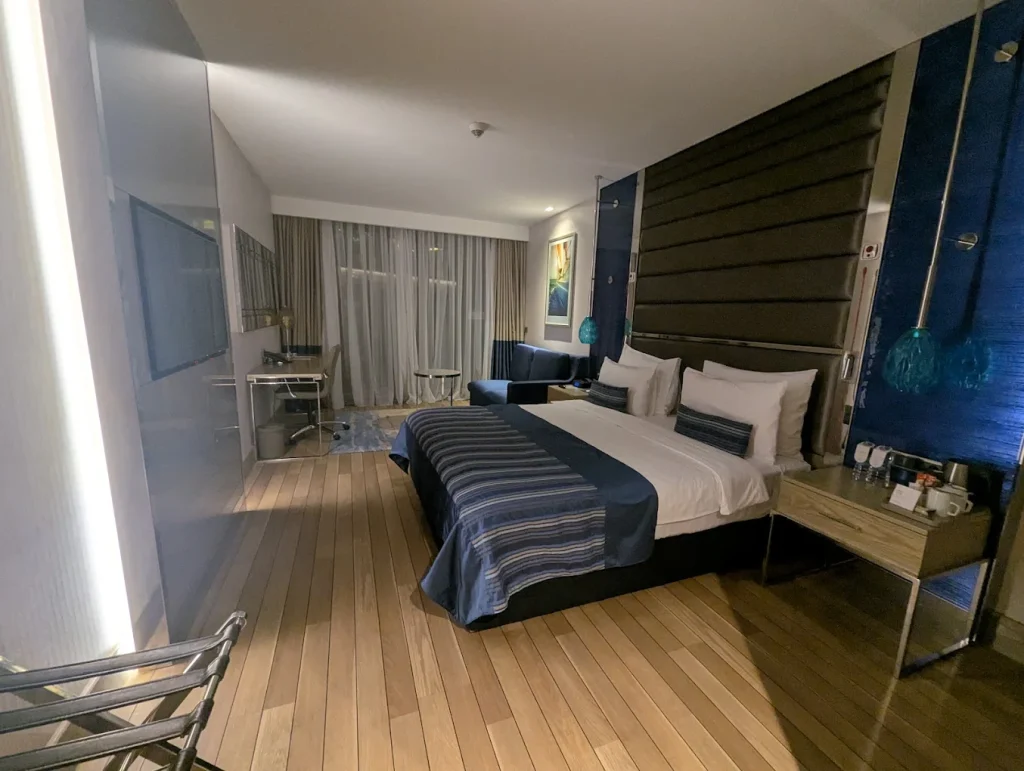
Butik Otel Mobilyaları

Şunları da sevebilirsiniz
Pozantı Otel Mobilyaları | Adana Otel Mobilya Üretimi
Saimbeyli Otel Mobilyaları | Adana Otel Mobilya Üretimi