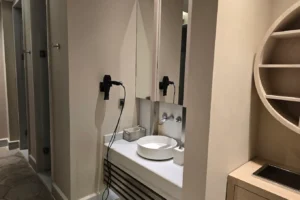
Hotel Lobby Furniture Turkey
Hotel Lobby Furniture Turkey: The Definitive Technical Sourcing and Engineering Guide for Luxury Hospitality Public Spaces
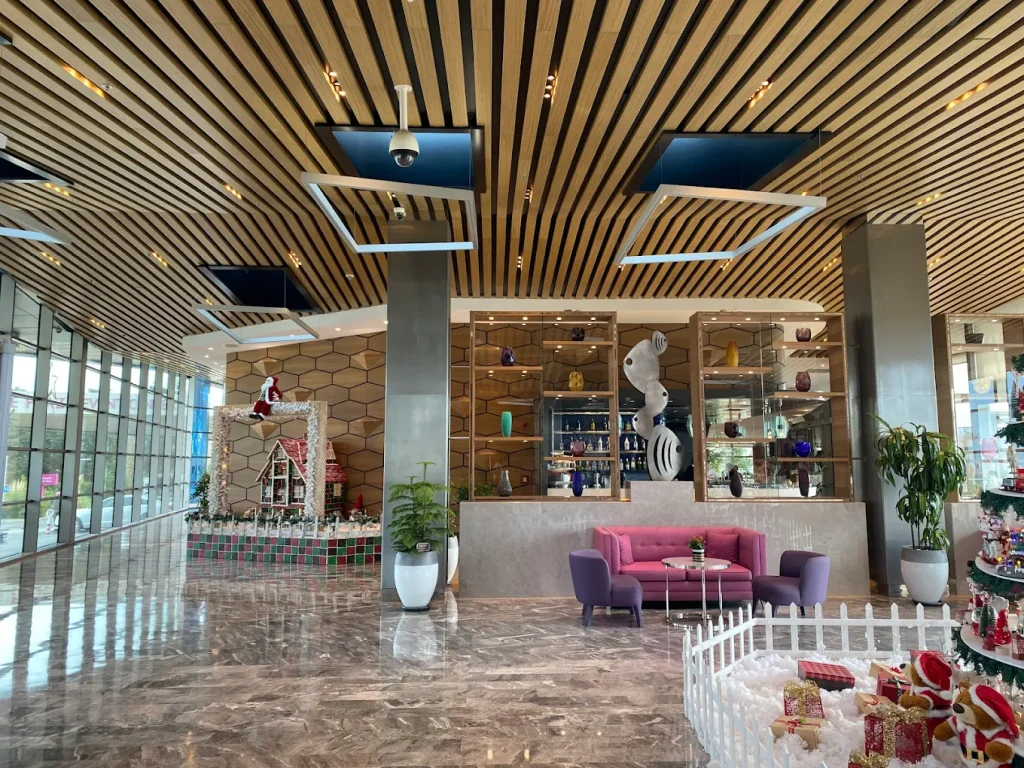
The entrance of a hotel is more than a transitional space; it is a high-performance architectural stage where a brand’s identity is instantly established. In the world of international hospitality procurement, the term Hotel Lobby Furniture Turkey has come to represent a unique benchmark. It signifies the ideal intersection of high-concept custom design, extreme high-traffic durability, and optimized cross-border manufacturing economics.
As global hospitality trends shift toward multi-functional, experiential common spaces, the technical engineering behind lobby furniture has grown significantly more complex. This definitive guide delivers comprehensive, data-driven insights into material science, architectural integration, and procurement workflows for hotel owners, commercial interior designers, and project managers looking to source high-impact contract public area furniture from Turkey.
1. The Strategic Imperative of Sourcing Hotel Lobby Furniture from Turkey
When specifying furniture for public zones, residential-grade products fail almost immediately. A hotel lobby operates continuously, exposing furniture to constant physical impacts, luggage collisions, beverage spills, and intense cleaning cycles. Sourcing Hotel Lobby Furniture Turkey provides distinct industrial advantages designed to handle these exact operational stresses.
The Power of Vertical Manufacturing Ecosystems
Turkey’s furniture sector does not operate as a fragmented assembly network. Instead, it is organized into deep, vertically integrated industrial clusters.
- Raw Supply Nearness: Major manufacturing zones sit within hours of premium natural resource supplies. These include massive sustainable timber reserves (beech, hornbeam, walnut, and oak), premium marble quarries (Afyon white, Mugla white, and Emperador), and advanced metallurgy hubs.
- In-House Technical Capabilities: Leading Turkish contract factories house their own heavy engineering machinery, advanced CNC lines, vacuum-press veneer lines, metal foundries, and automated upholstery shops under a single roof. This structural integration eliminates the supply chain friction, delays, and margin stack-ups common in regions that rely heavily on sub-contracted components.
Accelerated Lead Times and Global Logistics
Lobby renovations and new construction projects operate on strict timelines where delayed openings can result in significant financial losses.
- Geographic Advantage: Turkey’s position at the crossroads of Europe, Asia, and Africa provides excellent logistics flexibility.
- Transit Performance: Overland freight via heavy-duty trucking networks reaches mainland Europe within 4 to 9 days. Meanwhile, direct sea routes from ports such as Ambarlı (İstanbul), İzmir, and Mersin connect to global transport hubs within 12 to 22 days. This eliminates the 45-to-60-day maritime shipping delays associated with East Asian manufacturing hubs.
Value Engineering Prowess
Turkish manufacturers excel at value engineering—the process of optimizing a designer’s aesthetic concept to improve durability and reduce costs without compromising visual intent. By replacing costly internal structural elements with superior, locally available materials, Turkish engineers significantly lower production costs while maintaining structural integrity.
2. Key Manufacturing Clusters for Public Space Furnishings
To successfully source Hotel Lobby Furniture Turkey, procurement teams must understand the country’s regional industrial clusters, as each specializes in distinct manufacturing methods and material categories.
+---------------------------------------------------------------------------------+

|               TURKISH PUBLIC AREA FURNITURE CLUSTERS                            |
+---------------------------------------------------------------------------------+

| İSTANBUL        --> Luxury Custom Millwork, Statement Seating, Metal Artistry   |
| BURSA (İNEGÖL)  --> High-Volume Modular Casegoods, Standardized Lounge Sets     |
| ANKARA (SİTELER)--> Heavy Solid Wood Engineering, Classic Marquetry, Joinery    |
| KAYSERİ         --> Industrial Scale Metal Frames, Mass Injection-Molded Foam   |
| İZMİR / DENİZLİ --> Premium Outdoor Atrium Furniture, Natural Stone Integration |
+---------------------------------------------------------------------------------+
İstanbul: The Core Hub for Bespoke Luxury
İstanbul is home to advanced engineering firms and high-end artisanal factories that specialize in turning complex architectural visions into reality.
- Core Capabilities: Sourcing complex, double-curved reception desks, large-scale custom sectionals, and high-intricacy metal-and-glass partitions.
- Design Engineering: İstanbul factories maintain large in-house design engineering teams that convert conceptual renderings into millimeter-precise AutoCAD and SolidWorks shop drawings.
Bursa (İnegöl): Industrialized Contract Scale
İnegöl is an industrial powerhouse optimized for rapid production cycles and high-volume modular consistency.
- Core Capabilities: Large-scale commercial casegoods, architectural wall paneling systems, and standardized lounge furniture arrays.
- Infrastructure: Equipped with advanced multi-axis CNC machines and automated UV finishing lines, making it ideal for large business hotels or international airport hotel rollouts.
Ankara (Siteler): Master Woodworking and Structural Artistry
Siteler represents the historical heart of Turkish woodworking craftsmanship.
- Core Capabilities: Heavy solid wood carving, complex wood bending, traditional joinery, and specialized marquetry.
- Applications: Ideal for historic restoration projects, five-star heritage hotels, and luxury boutique properties requiring unique wood statement pieces.
Kayseri: High-Volume Industrial Strength
Kayseri hosts some of the largest automated manufacturing facilities in the region.
- Core Capabilities: High-resiliency molded foams, heavy-duty internal steel structural frames, and high-volume commercial seating.
- Applications: Optimized for economy, mid-scale, or select-service hotel brands where price consistency and strict compliance with international fire safety codes are required at scale.
3. Structural Engineering and Material Science in Turkish Lobby Manufacturing
The extreme durability requirements of Hotel Lobby Furniture Turkey demand advanced material science and structural engineering. Every internal component must be selected to prevent structural failure over years of continuous commercial use.
Internal Frame Construction: The Foundation of Lifespan
While residential furniture often relies on softwoods or particleboard, Turkish contract-grade seating utilizes a highly robust internal core structure.
+---------------------------------------------------------------------------------------+

|                    STRUCTURAL LOBBY FRAME PERFORMANCE PROFILE                         |
+---------------------------------------------------------------------------------------+

| Material              | Density (kg/m³) | Tensile Strength | Primary Lobby Application|
+-----------------------+-----------------+------------------+--------------------------+

| Kiln-Dried Hornbeam   | 750 - 820       | Ultra-High       | High-Stress Sofa Frames  |
| Kiln-Dried Beech      | 680 - 720       | High             | Exposed Legs & Carvings  |
| Marine Birch Plywood  | 650 - 700       | High Elasticity  | Curved Lounge Shells     |
| Structural Steel Tube | 7850            | Extreme          | Heavy Cantilever Bases   |
+-----------------------+-----------------+------------------+--------------------------+
Kiln-Dried European Hornbeam (Carpinus betulus)
- Technical Integration: Hornbeam is widely utilized across Turkey for internal structural framing. With an average density of over \(780\text{ kg/m}^3\), it provides exceptional screw-holding power and resistance to splitting.
- Moisture Control: Factories dry the lumber in computerized vacuum kilns to a precise moisture content between 8% and 11%. This step prevents warping, checking, and joint looseness when the furniture is shipped across different global climate zones.
Multi-Layer Marine Birch Plywood
- Technical Integration: For complex, curved organic shapes popular in modern lobby design, manufacturers use multi-layered birch plywood panels bonded with phenolic resins. This creates strong, flexible shells that resist moisture-induced delamination.
Joinery Reinforcement Protocols
- Assembly Requirements: Contract frames are never simply stapled or glued. Turkish standards require double-dowelled joints reinforced with heavy corner blocks. These blocks are both glued and secured with structural wood screws to handle continuous torsional stress from guests.
Substrates for Public Area Casegoods and Counter Surfaces
Lobby casegoods—such as concierge desks, communal workspaces, and charging tables—require core substrates that resist impact and environmental changes.
- Moisture-Resistant High-Density Fiberboard (MR MDF): Premium manufacturers avoid standard MDF. They use MR MDF with a high internal bond density (\(>780\text{ kg/m}^3\)) to provide stability and clean edge profiling for lacquer or veneer applications.
- Compact Phenolic Laminate (HPL): For tabletops exposed to frequent food and beverage spills, solid phenolic cores compressed under high pressure provide comprehensive resistance to impact, scratches, and cleaning chemicals.
4. Advanced Metalworking and Finish Technologies
Modern lobby designs frequently combine upholstered elements with structural and decorative metals. Turkish manufacturers feature integrated metallurgy divisions that employ advanced finishing technologies.
Stainless Steel Machining and Grade Selection
- Grade 304 vs. Grade 316: For standard interior lobbies, factories utilize Grade 304 stainless steel. For coastal resorts or properties with open-air atrium designs exposed to high humidity and salinity, Grade 316 marine-grade steel is specified to prevent pitting corrosion.
- Precision Joining: Fiber laser cutters ensure exact tolerances before assembly. Welding is performed using TIG (Tungsten Inert Gas) systems, followed by multi-stage grinding and polishing to create seamless, invisible structural joints.
Physical Vapor Deposition (PVD) Coatings
Standard electroplating is prone to scratching and flaking over time. High-end Hotel Lobby Furniture Turkey suppliers use advanced PVD vacuum chambers to apply durable metallic finishes.
+-------------------------------------------------------------------------------+

|                       PVD FINISH PERFORMANCE MATRIX                           |
+-------------------------------------------------------------------------------+

| Process: Titanium nitride ion bombardment within a high-vacuum environment.  |
| Thickness: 0.3 to 1.5 microns                                                 |
| Surface Hardness: Up to 2500 Vickers (Second only to diamond)                 |
| Available Finishes: Champagne Gold, Rose Gold, Oil-Rubbed Bronze, Graphite Jet |
| Operational Benefits: 100% resistant to finger oils, tarnishing, and chipping |
+-------------------------------------------------------------------------------+
Commercial Powder Coating Treatments
For budget properties or structural bases requiring solid color finishes, components undergo a rigorous chemical pre-treatment process:
- Iron Phosphate Wash: Removes residual milling oils and etches the metal surface to improve adhesion.
- Deionized Water Rinse: Eliminates impurities that could cause bubbling.
- Electrostatic Application: High-durability polyester or epoxy powders are applied uniformly.
- Curing: Baked in industrial ovens at temperatures ranging from \(180^{\circ }\text{C}\) to \(200^{\circ }\text{C}\) to form an impact-resistant polymer skin that passes 1000-hour salt spray tests.
5. Upholstery Engineering, Textile Compliance, and Ergonomics
The longevity of lobby soft seating depends heavily on its invisible internal components. Manufacturers of Hotel Lobby Furniture Turkey design upholstery layers to balance comfort with long-term shape retention.
High-Resiliency (HR) Foam Configurations
To ensure cushions retain their shape and support through years of constant guest turnover, factories utilize multi-density, high-resiliency polyurethane foams.
+----------------------------------------------------------------------------+

|                  LOBBY SOFA UPHOLSTERY STRATIFICATION                      |
+----------------------------------------------------------------------------+

| [Layer 1: Dacron Wrap]       --> 150-300g plush initial contact layer      |
| [Layer 2: Soft Comfort Foam] --> 32 kg/m³ HR Foam for pressure distribution|
| [Layer 3: Structural Core]   --> 42-45 kg/m³ HR Foam for sag prevention    |
| [Layer 4: Suspension]        --> Sinuous steel springs / Italian webbing   |
+----------------------------------------------------------------------------+
- The Support Core: The main load-bearing layer consists of high-density HR foam (\(40\text{ kg/m}^3\) to \(45\text{ kg/m}^3\)). This high density prevents the foam from bottoming out or sagging over time.
- The Comfort Overlay: A softer layer of \(30\text{ kg/m}^3\) to \(35\text{ kg/m}^3\) foam is laminated on top to provide comfortable initial seating.
- Molded Polyurethane Technology: For organic lounge chairs, leading Turkish suppliers inject cold-cured polyurethane foam directly around an internal steel skeleton inside a closed mold. This produces incredibly resilient seating with uniform cell structures that retain their shape indefinitely.
Suspension Systems
- Sinuous Springs: High-carbon steel zig-zag springs are anchored with nylon-coated clips to eliminate squeaking under sudden loads.
- Elastomeric Webbing: For low-profile contemporary designs, manufacturers weave Italian-made reinforced elastic straps (typically 50-70mm wide) at close intervals to distribute weight evenly across the frame.
Textile Durability and International Fire Codes
Contract fabrics used for public spaces must comply with strict international regulatory frameworks. Turkish suppliers source and process textiles to meet these standards:
- The Martindale Abrasion Test: Lobby upholstery fabrics must withstand a minimum of 80,000 to 100,000 rubs under commercial testing conditions to ensure long-term durability.
- Flame Retardancy compliance: Soft seating is engineered to pass strict regional fire safety codes, including the UK’s BS 5852 (Crib 5), Europe’s EN 1021 Part 1 & 2, and North America’s CAL 117-2013 standards.
- Performance Coatings: Fabrics undergo nano-technological treatments to provide moisture, soil, and stain barriers. These coatings allow housekeeping staff to clean spills with simple microfiber cloths, preventing liquids from penetrating the foam beneath.
6. Zone-by-Zone Furniture Engineering for Strategic Lobby Areas
Modern hotel lobbies are divided into distinct zones, each requiring unique furniture engineering approaches to optimize functionality and traffic flow.
+---------------------------------------------------------------------------------------+

|                              HOTEL LOBBY FLOATING ZONES                               |
+---------------------------------------------------------------------------------------+

|  [Zone 1: Entry / Reception]  --> Custom desks, heavy luggage impact plates, queues   |
|  [Zone 2: Transit Lounge]    --> High-turnover seating, structural dividers, planters |
|  [Zone 3: Co-Working Hub]     --> Integrated connectivity, anti-scratch finishes       |
|  [Zone 4: F&B Transition]     --> High Martindale fabrics, tip-resistant tables        |
+---------------------------------------------------------------------------------------+
Zone 1: The Entry and Reception Counter
The reception desk is a high-frequency work environment and a major design statement.
- Internal Framework: Built around an independent heavy structural steel or marine-plywood frame to support heavy desktop equipment without bowing.
- Exterior Cladding: Features book-matched natural Turkish marble, engineered quartz, or high-pressure laminates.
- Ergonomic Features: Incorporates integrated wire management tracks, recessed LED lighting strips, and durable kickplates made from PVD-coated stainless steel to protect against damage from footwear and rolling suitcases.
Zone 2: The Main Transit Lounge (High-Turnover Seating)
This zone requires highly durable seating options designed for short-duration use by arriving or departing guests.
- Sofa Architecture: High-backed sectionals and heavy armchairs feature solid plinth bases rather than delicate legs. This design distributes weight evenly and prevents vacuum cleaners from damaging the furniture’s lower edges.
- Modular Versatility: Modular configurations allow management to easily rearrange layouts for special events or high-occupancy corporate check-ins.
Zone 3: The Co-Working Hub and Connectivity Zones
Lobbies are increasingly serving as remote workspaces, requiring integrated technology and durable work surfaces.
- Communal Worktables: Built using thick natural wood veneers or high-pressure laminates treated with anti-scratch coatings.
- Smart Integration: Tables feature flush-mounted, CNC-routed power connectivity ports, wireless induction charging pucks, and hidden cable management runs built into the table legs.
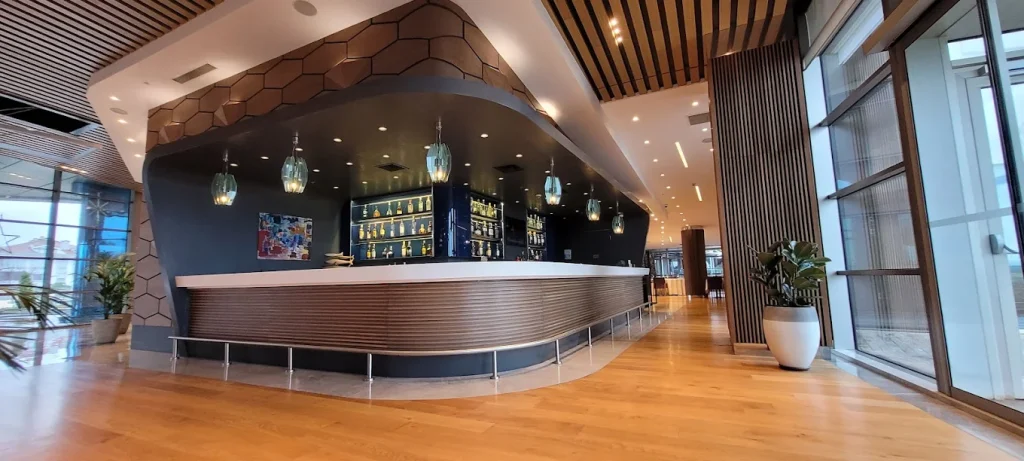
Zone 4: The F&B Transition Zone (Lobby Bars & Cafés)
Furniture in these spaces must withstand frequent exposure to acidic food and staining beverages.
- Dining and Cocktail Tables: Table edges feature solid wood or impact-resistant ABS banding rather than thin veneers, protecting them from chipping when chairs bump against them.
- Base Stability: Heavy cast-iron or weighted steel pedestal bases prevent tables from tipping when leaned upon. They include adjustable nylon glides to ensure stability on uneven stone or tile floors.
7. The Procurement Workflow: Sourcing Public Area Furniture from Turkey
Sourcing complex Hotel Lobby Furniture Turkey installations requires strict adherence to a professional procurement protocol to ensure design accuracy and mitigate financial risks.
+----------------------------------------------------------------------------------------+

|                            CONTRACT PROCUREMENT TIMELINE                               |
+----------------------------------------------------------------------------------------+

| Phase 1: BoQ Review & Value Engineering Analysis                                       |
|    |                                                                                   |
|    v                                                                                   |
| Phase 2: Shop Drawings, Joint Details & Material Submittals                            |
|    |                                                                                   |
|    v                                                                                   |
| Phase 3: Golden Sample / Prototype Production & Visual Sign-Off                       |
|    |                                                                                   |
|    v                                                                                   |
| Phase 4: Full-Scale Production & Independent In-Line QA Audits                         |
|    |                                                                                   |
|    v                                                                                   |
| Phase 5: Heavy Industrial Packaging, Export Crating & ISPM-15 Validation               |
|    |                                                                                   |
|    v                                                                                   |
| Phase 6: Customs Clearance, Intermodal Shipping & Professional Installation            |
+----------------------------------------------------------------------------------------+
Phase 1: Bill of Quantities (BoQ) and Value Engineering Analysis
The procurement cycle begins with the submission of the interior architect’s technical submittals, spatial floor plans, and detailed BoQ to the Turkish manufacturer.
- Material Evaluation: The factory’s engineering team reviews the drawings to identify potential structural vulnerabilities, such as over-extended cantilevered stone tops or unstable seating footprints.
- Value Engineering (VE) Recommendations: Sourcing teams provide material alternatives to optimize the project budget, such as replacing a costly imported wood species with locally sourced, sustainably harvested walnut or oak veneer.
Phase 2: Shop Drawings and Material Submittals
Before cutting raw materials, the manufacturer generates highly detailed production shop drawings.
- Technical Detail: These drawings show every internal joint connection, reinforcement screw location, grain direction, and hardware brand.
- Material Boards: The factory prepares physical submittal boxes containing finish samples, including wood swatches with varying gloss levels, PVD metal chips, stone slices, and fabric samples, for the design team’s formal sign-off.
Phase 3: The Prototype / Golden Sample Protocol
For major hotel public space installations, creating a prototype of key statement pieces is an essential risk-mitigation step.
- Evaluation: The client, project manager, and interior designer evaluate the prototype either at the factory in Turkey or via high-definition digital review sessions. This phase allows you to refine proportions, test comfort profiles, and verify technical stability before full production begins.
Phase 4: Mass Production and Quality Assurance (QA) Protocols
Once the prototypes are approved, full-scale production begins. Professional procurement teams often employ third-party inspection firms (such as SGS, Intertek, or Bureau Veritas) to conduct regular quality checks:
- Milling Check: Verifies substrate calibration, moisture levels in wood lots, and CNC cutting accuracy.
- Structural Check: Inspects frame assembly, corner block reinforcement, and suspension system tensioning before upholstery begins.
- Final Finish Audit: Evaluates the consistency of lacquer finishes, alignment of metal trims, seam alignment on textiles, and overall structural dimensions against the approved shop drawings.
Phase 5: Contract Packaging and Export Logistics
Public space furniture can be bulky and fragile, requiring robust packaging to prevent transit damage.
- Edge and Corner Protection: High-density polyethylene (HDPE) foam bumpers are fitted to all corners to absorb impacts.
- Surface Protection: Delicate surfaces are wrapped in non-abrasive scratch-resistant foam sheets to prevent friction damage.
- Heavy-Duty Crating: Large items, such as reception desks and stone-topped communal tables, are packed into custom-built ISPM-15 heat-treated wooden crates to protect them during intermodal shipping and mechanical offloading.
8. Certifications, International Compliance, and Environmental Standards
To meet global hospitality standards, Hotel Lobby Furniture Turkey manufacturers adhere to international quality and environmental certification systems.
Sustainability and Material Tracking
- FSC Certification (Forest Stewardship Council): Verifies that all solid woods and wood veneers originate from responsibly managed, legally logged forests.
- E1 and E0 Formaldehyde Limits: Turkish board processors comply with low-emission European standards for composite woods. This limits formaldehyde outgassing to maintain healthy indoor air quality (IAQ) within enclosed lobby spaces.
Quality Management and Workplace Safety
- ISO 9001: Confirms the factory operates a traceably documented quality management system from raw material arrival through final packaging.
- ISO 14001: Assures compliance with global environmental management systems during production.
- ISO 45001: Certifies that safe occupational health and safety systems are maintained on the manufacturing floor.
9. Contract Management, Payment Milestones, and Risk Mitigation
International furniture procurement requires clear legal and financial frameworks to safeguard investments and ensure project delivery.
Payment Milestones and Cash Flow Structure
Contract furniture manufacturing in Turkey typically follows an incremental, milestone-based payment structure:
- 30% to 40% Advance Payment: Initiates shop drawing production, engineering work, and raw material allocation.
- 40% to 50% Progress Payments: Paid in installments linked to verifiable production stages (e.g., frame completion, raw woodworking sign-off).
- 10% Final Balance: Released upon presentation of clean Bills of Lading and a successful third-party pre-shipment quality inspection at the factory.
Legal Protections and Delivery Terms
- Incoterms Alignment: Contracts must specify delivery terms clearly. FOB (Free on Board) shifts shipping costs and insurance risks to the buyer once the goods pass the ship’s rail at a Turkish port. DDP (Delivered Duty Paid) requires the manufacturer to manage all ocean/land transport, import custom clearances, local duties, and final delivery directly to the hotel job site.
- Liquidated Damages: Contracts should include clauses that apply a pre-agreed financial penalty per day if production deadlines are missed. This protects the developer from costly delays that could impact the hotel’s grand opening.
- Warranty Retentions: Holding back 5% of the total contract value for 6 to 12 months after installation provides a helpful financial buffer to cover any structural issues or minor defects that appear during the hotel’s initial high-traffic operations.
10. Comprehensive Procurement Comparison: Turkey vs. Alternative Manufacturing Hubs
When evaluating global sourcing options for public area furnishings, procurement managers typically compare Turkey against alternative hubs such as China or Italy.
+------------------------------------------------------------------------------------------+

|                        GLOBAL PUBLIC AREA FF&E HUB COMPARISON                            |
+------------------------------------------------------------------------------------------+

| Feature             | Turkey                | China                 | Italy              |
+---------------------+-----------------------+-----------------------+--------------------+

| Bespoke Flexibility | Exceptional           | Good for High Volume  | High Craft Artistry|
| Sourcing Lead Time  | 45 - 60 Days          | 60 - 90 Days          | 90 - 120 Days      |
| Logistics to EU/ME  | Very Short (3-14 days)| Long (35-45 days)     | Immediate (2-5 days|
| Cost Optimization   | Excellent             | Very Low (Mass SKU)   | Premium/Luxury Cost|
| Integrated Metals   | High Capacity         | Moderate (Segmented)  | Top Tier Designer  |
+---------------------+-----------------------+-----------------------+--------------------+
Turkey vs. China
- Lead Time Advantages: Shipping from Chinese ports to Europe or North America’s east coast can take 35 to 45 days. Turkey offers a significant time advantage, reducing transit times to 3–14 days. This speed helps compress total construction timelines and lowers interest expenses on project financing.
- MOQ Flexibility: Large Chinese factories are highly optimized for repetitive, mass-production runs. They often struggle with low-volume, highly complex custom lobby designs. Turkish manufacturers offer greater production flexibility, allowing them to adjust lines for unique, low-volume runs without requiring high minimum order quantities (MOQs).
- Supply Chain Security: While China imports a significant percentage of its timber and specialty metals from global markets, Turkey utilizes its own extensive domestic wood reserves and raw material networks, helping protect buyers from global trade shocks.
Turkey vs. Italy
- Production Cost Efficiency: Italy remains a premier hub for luxury design innovation, but high labor costs and steep operational overhead result in premium per-unit pricing. Turkey provides comparable multi-axis machinery, identical European-made functional hardware, and European-trained engineering expertise at a significantly lower production cost.
- Industrial Scale: Italy’s luxury sector is largely composed of smaller, specialized artisanal workshops. Turkey’s large furniture parks successfully combine artisanal attention to detail with large-scale industrial capacity, enabling them to supply massive public space installations smoothly under one contract.
11. Future-Proofing Lobby Spaces: Sustainability and Design Trends
As hotel brands prioritize carbon footprint reduction and integrate smart building technologies, manufacturers of Hotel Lobby Furniture Turkey are adapting their engineering and material selection to meet these modern demands.
Design for Disassembly (DfD) and Circular Economy
To avoid replacing entire furniture pieces when a single component wears out, Turkish factories are engineering casegoods and seating with smart modular connections:
- Replaceable Wear Components: Tables and counters are designed with easily detachable top panels, protective base trims, and modular armrests. This allows housekeeping teams to swap out worn or scratched surfaces on-site without discarding the underlying structural framework.
- Refurbishment Readiness: Sourcing heavy, solid-wood internal frames allows hotels to easily reupholster or refinish the pieces during mid-cycle property updates, extending the furniture’s operational lifespan to 15–20 years.
Smart Finishes and Anti-Microbial Technologies
- Hygienic Surface Additives: Leading Turkish finishing lines offer silver-ion antimicrobial compounds integrated directly into their commercial polyurethane and acrylic topcoat lacquers. This treatment creates a permanent barrier that helps neutralize bacteria on high-touch surfaces like check-in counters and communal desks.
- Integrated Wireless Infrastructure: Modern lounge seating features hidden induction charging coils underneath wood surfaces and low-profile power units blended seamlessly into fabric seams, keeping public areas clean, connected, and clutter-free.
12. Conclusion and Sourcing Recommendations
Sourcing Hotel Lobby Furniture Turkey offers hospitality developers, procurement managers, and interior designers a highly effective combination of premium design flexibility, robust technical engineering, global regulatory compliance, and excellent cost efficiency. By matching your project scope to the right manufacturing region, writing clear technical specifications into your contracts, and maintaining structured quality control checks, you can reliably deliver beautiful, long-lasting public spaces that perform through years of continuous commercial use.
To maximize your success when sourcing lobby furnishings from Turkey, keep these key practices in mind:
Butik Otel Mobilyaları
Butik Otel Mobilyaları
Butik Otel Mobilyaları
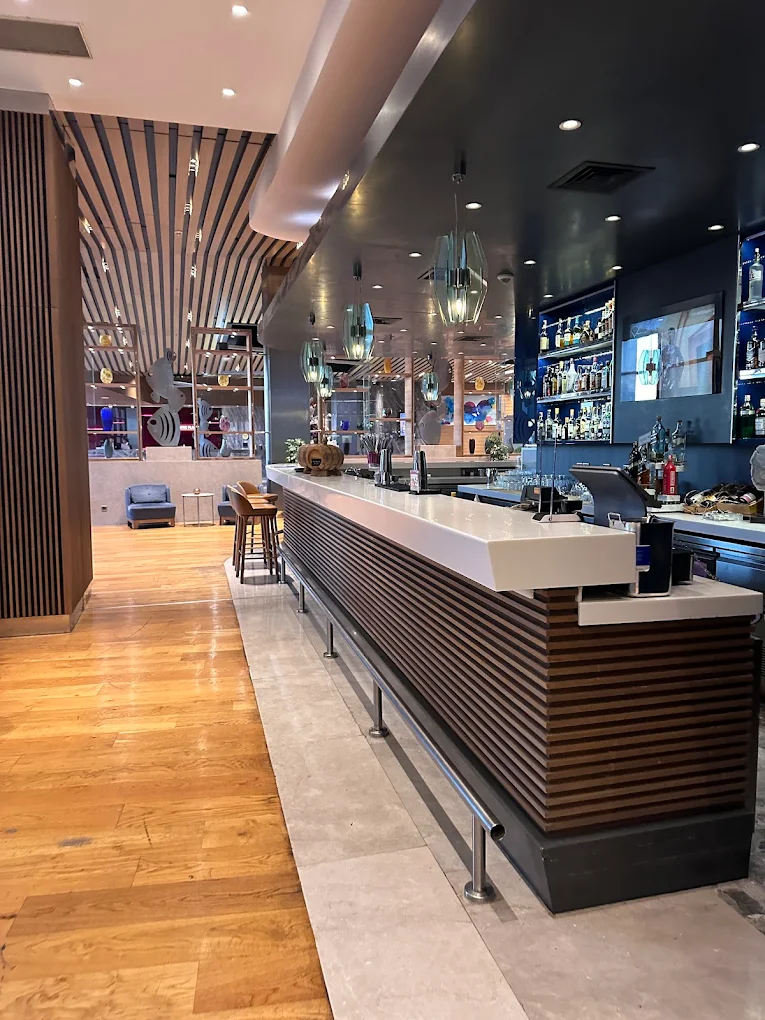
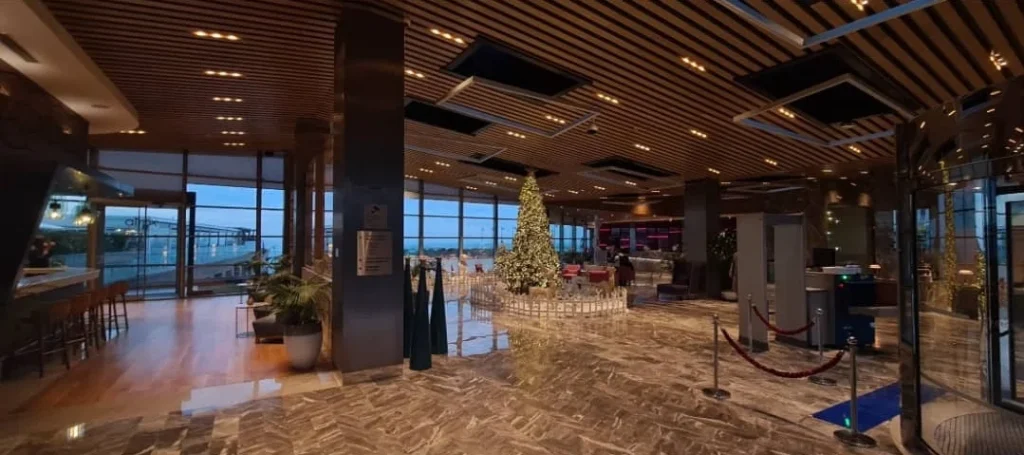
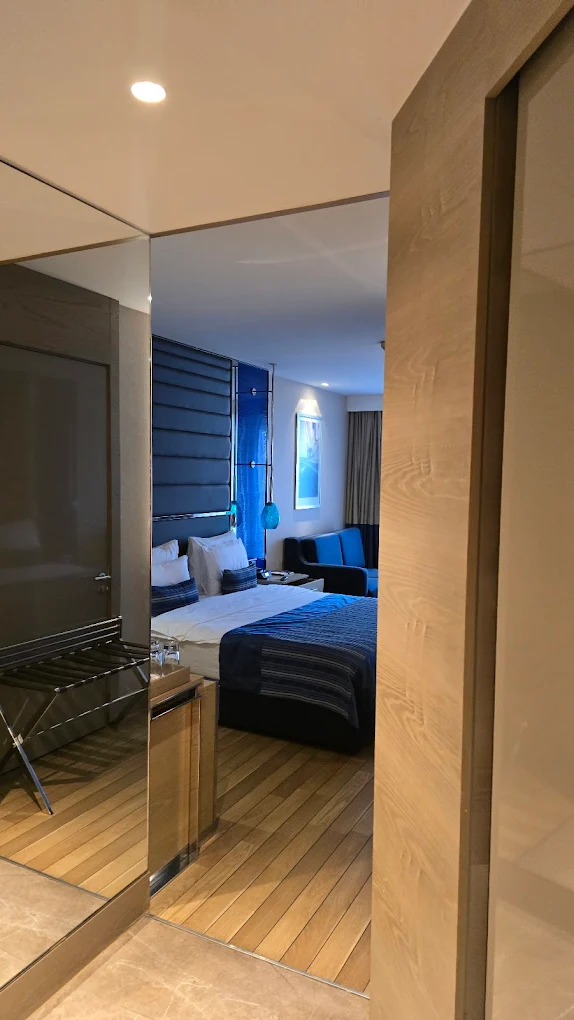
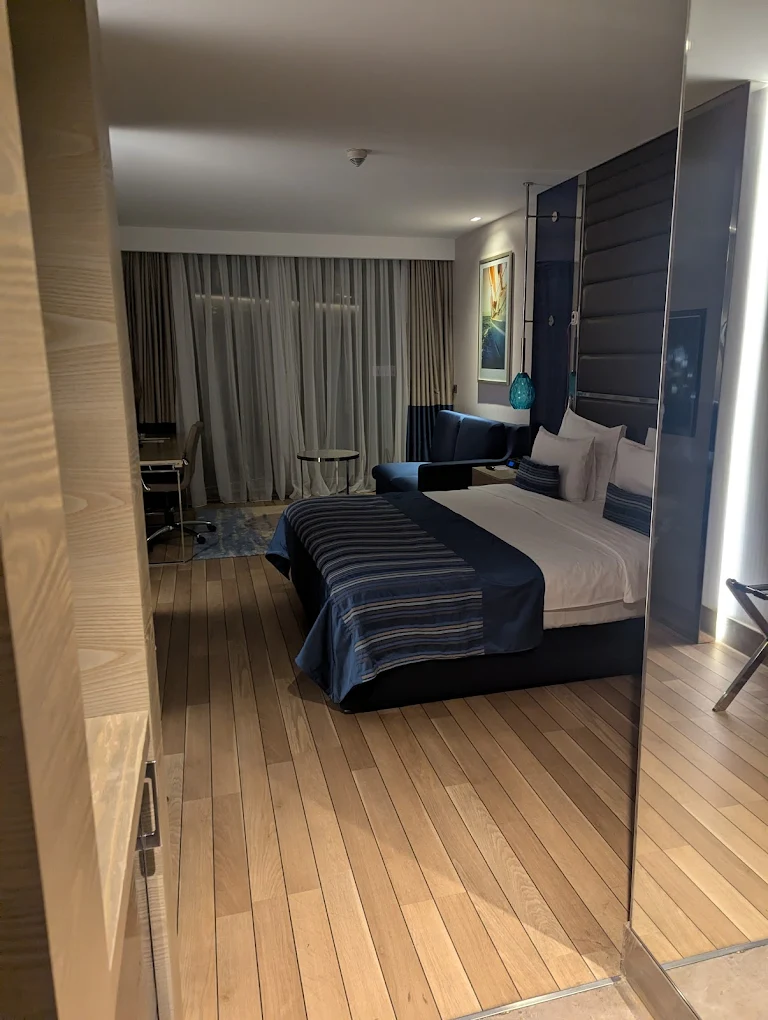
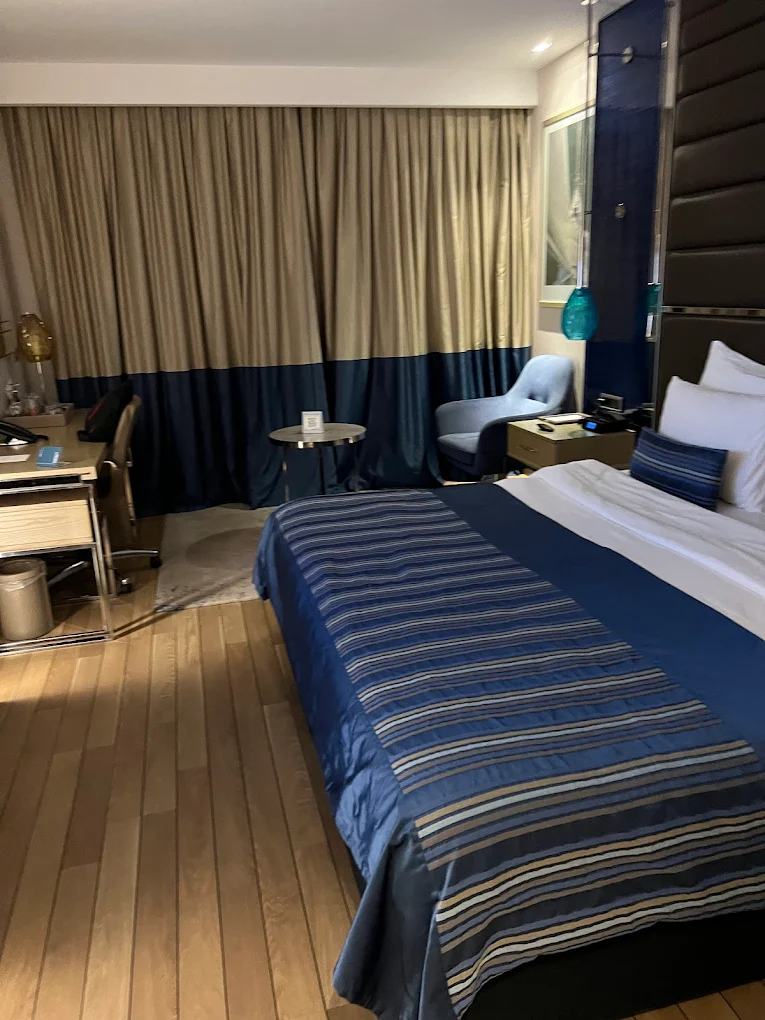


Butik Otel Mobilyaları
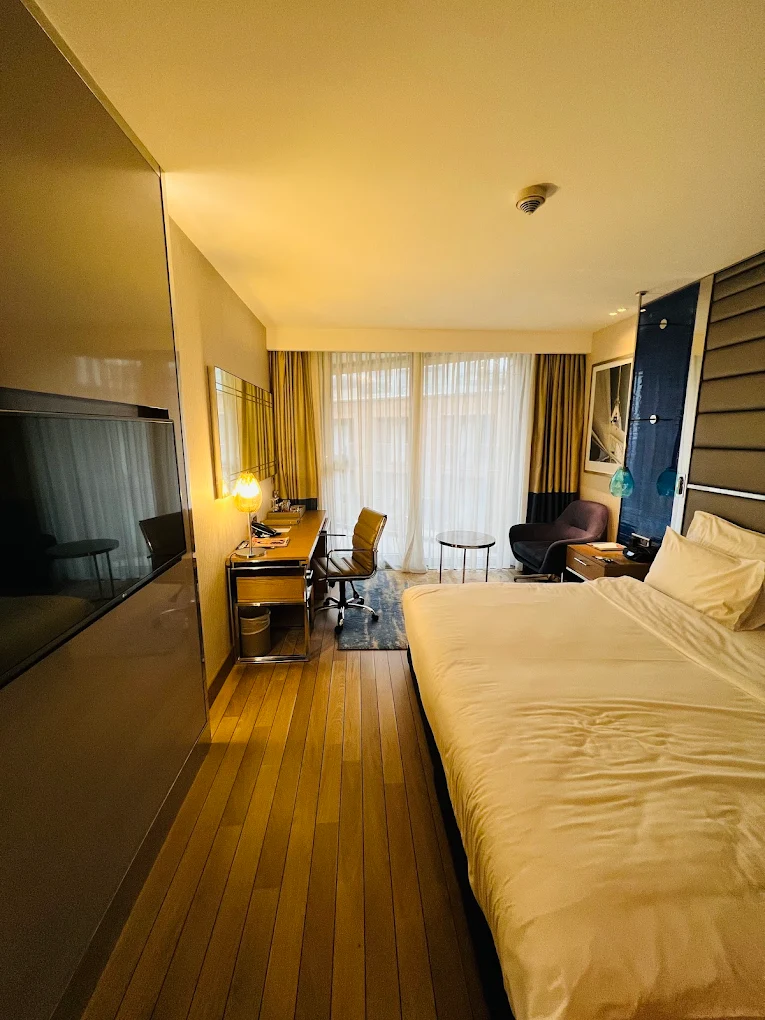
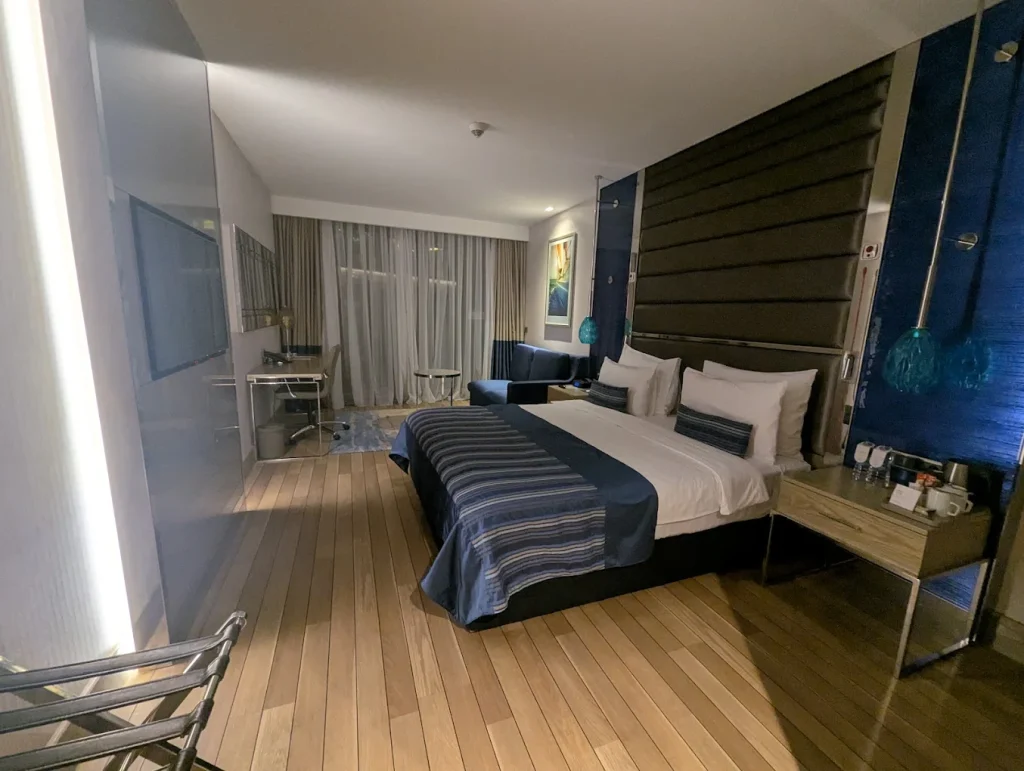
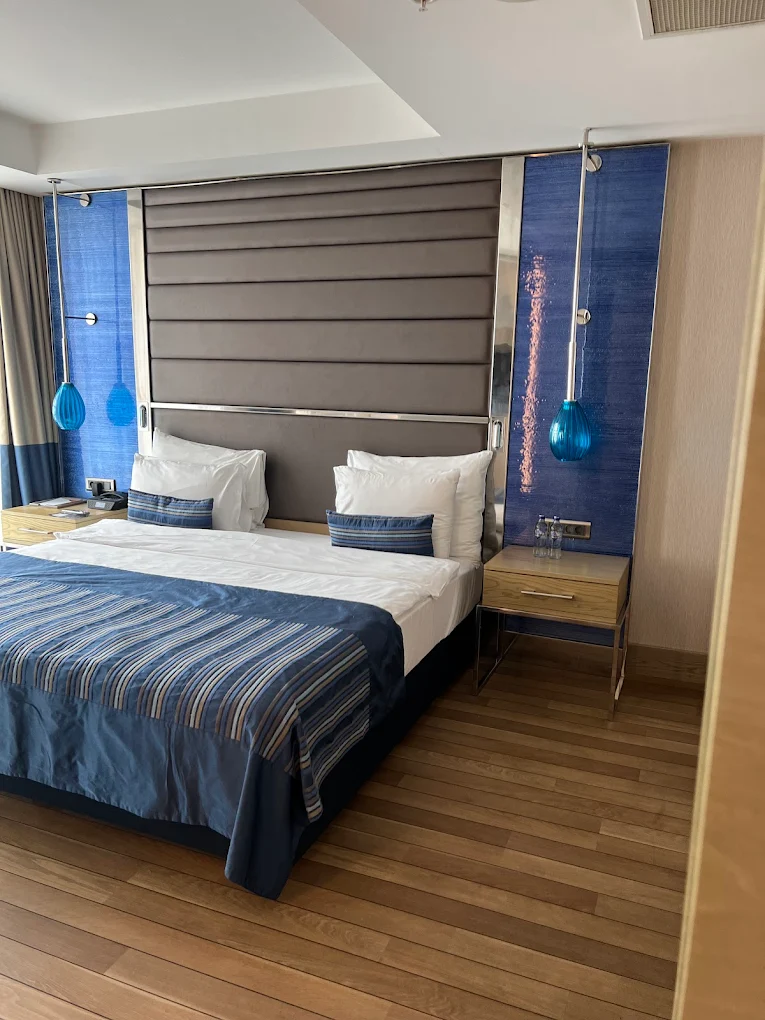
Etiket:Boutique Hotel Furniture Turkey, Fire-Rated Hotel Doors Turkey, Fire-Rated Hotel Furniture Turkey, Fireproof Doors Turkey, Fireproof Hotel Doors Turkey, Fireproof Hotel Furniture Turkey, Hotel Bed Base Turkey, Hotel Decoration Turkey, Hotel Furniture Companies Turkey, Hotel Furniture Designs Turkey, Hotel Furniture Manufacturers Turkey, Hotel Furniture Prices Turkey, Hotel Headboard Turkey, Hotel Lobby Decoration Turkey, Hotel Nightstand Models Turkey, Hotel Reception Desk Turkey, Hotel Wardrobes Turkey

Şunları da sevebilirsiniz
Pozantı Otel Mobilyaları | Adana Otel Mobilya Üretimi
Saimbeyli Otel Mobilyaları | Adana Otel Mobilya Üretimi