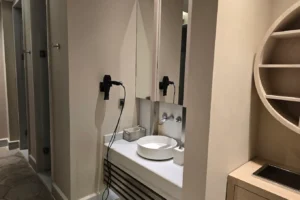
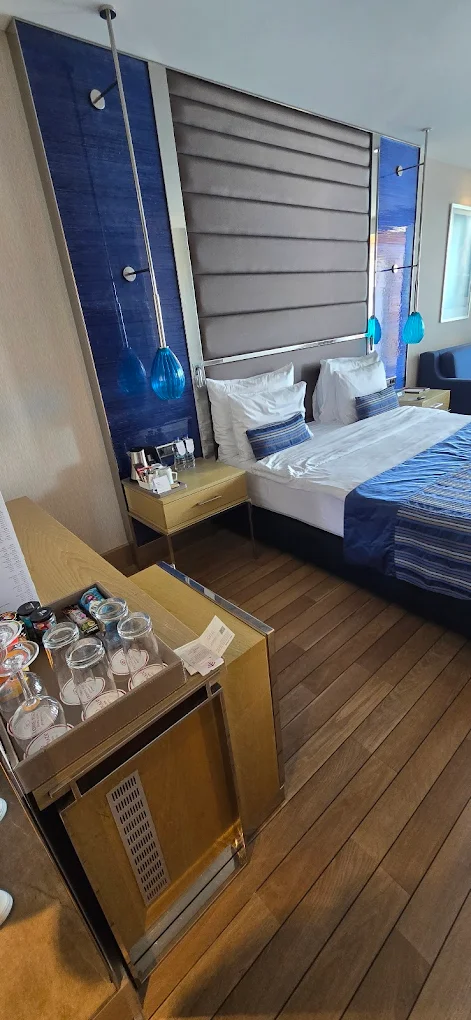
Hotel Doors Turkey
Hotel Doors Turkey: The Definitive B2B Engineering and Procurement Guide for Hospitality Entry Systems
The structural configuration of a commercial hotel guestroom entry system represents one of the most critical engineering components in modern hospitality construction. A hotel door is not merely an aesthetic partition; it is a highly engineered asset that must simultaneously manage fire containment, acoustic isolation, electronic access control, structural longevity, and brand alignment.
For international developers, procurement directors, and hospitality architects, the Hotel Doors Turkey industrial complex has become a premier destination for sourcing certified, high-performance architectural door assemblies. Turkish manufacturers combine advanced European CNC manufacturing lines with strict adherence to international regulatory frameworks (such as EN and UL standards), offering a reliable, cost-efficient, and structurally superior alternative to both high-overhead Western European workshops and volatile East Asian supply chains.
This technical guide serves as the ultimate B2B reference resource for evaluating, engineering, and procuring high-traffic commercial hospitality entry systems within the Hotel Doors Turkey marketplace.
1. Macro-Economic Framework: The Strategic Advantage of Sourcing Hotel Doors Turkey
To understand why the phrase Hotel Doors Turkey has become synonymous with elite hospitality procurement, one must analyze the infrastructure and systemic advantages supporting Turkey’s architectural joinery sector. Over the past two decades, Turkey has transformed its construction component manufacturing industry into a high-capacity, vertically integrated export machine supplying thousands of projects worldwide.
+-------------------------------------------------------------------+

|               THE TURKISH ARCHITECTURAL DOOR MATRIX               |
+----------------------+--------------------------------------------+

| Structural Dimension | Operational Reality for Global Buyers      |
+----------------------+--------------------------------------------+

| Logistical Radius    | 5–9 days overland to EU; 7–14 days marine  |
+----------------------+--------------------------------------------+

| Regulatory Parity    | Certified European (EN) & American (UL) lines|
+----------------------+--------------------------------------------+

| Production Integration| Wood core fabrication to final PVD hardware|
+----------------------+--------------------------------------------+

| Tailored Engineering | Bespoke acoustic & fire ratings per project|
+----------------------+--------------------------------------------+
Logistical Efficiency and Supply Chain Velocity
In the fast-paced hotel construction industry, a delay in delivering guestroom door sets can halt the entire interior finish schedule. If the doors are not installed, flooring cannot be finalized, wall finishes cannot be protected, and electronic locking systems cannot be integrated. Sourcing from the Hotel Doors Turkey network provides unmatched logistical advantages:
- Overland Freight Speed: For developments across Europe and the United Kingdom, Turkish production facilities utilize direct overland mega-trucking networks. This delivers completed door assemblies door-to-door within 5 to 9 days, completely bypassing the port congestion, container shortages, and demurrage risks associated with transoceanic shipping.
- Maritime Connectivity: Bordered by four seas, Turkey operates major deep-water cargo terminals (such as Ambarlı in Istanbul, Gemlik in Bursa, and Alsancak in İzmir) that provide weekly, non-stop shipping loops to North America, North Africa, and the GCC region. Average transit times to Middle Eastern ports range from 7 to 14 days, compared to the 35+ days required from East Asian shipping lanes.
- The Customs Union Integration: Turkey’s long-standing Customs Union agreement with the European Union streamlines the cross-border movement of commercial goods. It standardizes customs documentation, implements preferential origin status, and eliminates import tariffs for EU-based developers. This reduces administrative overhead and prevents sudden border delays.
Fully Integrated Domestic Manufacturing Ecosystems
A major risk in manufacturing complex architectural components is a dependency on foreign sub-suppliers for specialized parts, such as acoustic seals, fire-retardant cores, or custom hardware. The Hotel Doors Turkey ecosystem is uniquely insulated from these global supply chain shocks because its raw material network is almost entirely domestic:
- Sustainable Engineered Wood Reserves: Turkey’s forestry infrastructure provides local factories with a continuous supply of high-density engineered wood cores, including moisture-resistant MDF, HDF, and tubular particleboards. This timber is harvested under strict state controls, ensuring consistent material density and structural stability.
- In-House Metalworking and Hardware Engineering: Leading Turkish door manufacturers operate advanced, integrated metalworking divisions. They design and fabricate their own heavy-duty steel sub-frames, reinforcing plates, and custom architectural trim. This localized capability allows for seamless integration of automatic drop-down seals and hidden electronic lock body prep within the factory.
- Strategic Partnerships with Security Brands: Turkish door manufacturers work in direct alignment with global electronic locking providers (such as Assa Abloy, VingCard, Salto, and Dormakaba). This ensures that lock mortise cutouts and wire routing channels are precisely pre-machined using multi-axis CNC routers during the initial fabrication stage.
2. Technical Engineering, Core Materials, and Substrate Specifications
The primary difference between a residential interior door and an authentic Hotel Doors Turkey commercial assembly lies within its internal engineering. A hotel guestroom door must withstand heavy, continuous use from international travelers, blunt impacts from heavy luggage carts, and constant movement from housekeeping staff, all while maintaining its flawless appearance and critical fire-barrier properties.
+-------------------------------------------------------------------+

|             CRITICAL METRICS FOR HIGH-PERFORMANCE DOORS           |
+-----------------------+-------------------------------------------+

| Engineering Parameter | Commercial Hospitality Target Benchmark    |
+-----------------------+-------------------------------------------+

| Core Construction     | Solid Mineral Core or Tubular/Solid Sauerland|
+-----------------------+-------------------------------------------+

| Substrate Density     | Moisture-Resistant HDF ≥ 800 kg/m³        |
+-----------------------+-------------------------------------------+

| Fire Resistance       | FD30, FD60, FD90, FD120 (EN 1634-1 / UL10C)|
+-----------------------+-------------------------------------------+

| Acoustic Isolation    | 32 dB to 44 dB Sound Transmission Class   |
+-----------------------+-------------------------------------------+
Core Material Configurations: Mineral Cores vs. Sauerland Board
The interior core of a commercial hotel door determines its performance regarding fire containment, sound dampening, and structural rigidity. Top manufacturers of Hotel Doors Turkey construct leaf interiors using highly specialized, performance-tested core materials:
- Solid Mineral Cores: For high-tier fire ratings (60, 90, and 120 minutes), doors are built around a solid mineral core composed of calcium silicate, non-combustible volcanic aggregates, and specialized binding fibers. This dense matrix creates a barrier that blocks thermal energy transmission and resists structural degradation under intense heat conditions.
- Sauerland Tubular and Solid Particleboard: For standard guestroom entry systems requiring 30 minutes of fire protection alongside high acoustic performance, factories frequently use German-engineered Sauerland timber cores manufactured under license in Turkey. The tubular layout provides an ideal weight-to-strength ratio, while the solid variants offer excellent structural mass for sound isolation.
- Perimeter Hardwood Lippings: The edges of the door leaf are fitted with solid, kiln-dried European beech or oak hardwood lippings (typically 8mm to 15mm thick). These lippings are calibrated to match the face finish, provide excellent screw-holding capacity for heavy commercial hinges, and protect the door edge from impact splitting.
Substrate and Surface Leaf Cross-Sections
To ensure a smooth, stable surface that accepts natural wood veneers or high-gloss lacquers without telegraphing internal core patterns, the cross-sectional layup of a premium Hotel Doors Turkey product is highly engineered:
- High-Density Fiberboard (HDF) Face Skins: The core material is sandwiched between multi-layer HDF skins with densities exceeding 800 kg/m³. HDF is chosen over standard MDF because of its superior surface hardness, impact resistance, and stability against changes in ambient room moisture.
- Moisture-Resistant (MR) Chemical Treatments: Substrates are treated with specialized moisture-resistant resin matrices. This step prevents edge-swelling, delamination, and face buckling, which can happen when doors are installed in humid coastal resorts or subjected to wet cleaning by floor-maintenance crews.
- Cross-Grain Veneer Layups: When real wood veneers are specified, factories use a cross-grain hot-press methodology. Veneer sheets are laid out with grain directions perpendicular to the underlying substrate layer. This engineered layout cancels out natural wood movement, keeping the door leaf perfectly flat over decades of intensive service.
3. Regulatory Compliance: Fire Ratings, Acoustic Isolation, and Security
A successful international procurement strategy relies completely on absolute regulatory compliance. Global hotel operators like Marriott, Hilton, Accor, and IHG will not accept any entry system that lacks valid, third-party international testing certifications. The Hotel Doors Turkey manufacturing sector has achieved global prominence by investing heavily in rigorous international testing protocols.
+-------------------------------------------------------------------+

|               GLOBAL REGULATORY COMPLIANCE SYSTEM                 |
+-------------------+-----------------------------------------------+

| Regulatory System | Testing Focus and Operational Scope           |
+-------------------+-----------------------------------------------+

| EN 1634-1         | European fire resistance testing standard     |
+-------------------+-----------------------------------------------+

| UL 10C            | North American positive pressure fire test    |
+-------------------+-----------------------------------------------+

| EN ISO 10140-2    | Airborne acoustic isolation testing protocol  |
+-------------------+-----------------------------------------------+

| BS 476-22         | British Standard for fire tests on structures |
+-------------------+-----------------------------------------------+
Fire Resistance Engineering (EN 1634-1 & UL 10C)
In a fire event, a hotel guestroom door serves as a life-safety barrier designed to contain fire and smoke within the room of origin, protecting the egress corridors. Manufacturers of Hotel Doors Turkey engineer assemblies to fulfill distinct time-rated fire barriers:
- EI30 / FD30 (30-Minute Rating): The standard requirement for interior hotel guestrooms. These doors stop flame spread and gas leaks for a minimum of 30 minutes.
- EI60 / FD60 (60-Minute Rating): Commonly specified for high-risk zones, storage rooms, linen chutes, and connecting suite doors.
- Intumescent Seal Activation: The perimeter edges of fire-rated doors are fitted with hidden intumescent graphite-based strips. When exposed to heat exceeding 150°C, these strips expand up to 25 times their original volume, filling the gaps between the door leaf and frame. This expansion creates an airtight barrier that completely blocks toxic smoke and hot gases from entering the escape corridor.
Acoustic Isolation and Sound Transmission Control (STC Ratings)
A guest’s comfort and perception of luxury depend heavily on acoustic privacy. Guests do not want to hear footsteps, luggage wheels, or conversations coming from the main hallway. Sourcing Hotel Doors Turkey allow developers to access high-performance acoustic engineering:
- Target STC Ratings: Entry doors are designed to achieve sound transmission control ratings ranging from 32 dB to 44 dB.
- Dual-Perimeter Acoustic Seals: To achieve these sound-dampening metrics, frames feature continuous, heavy-duty silicone or EPDM synthetic rubber gasket loops. These gaskets seal tightly when the door latch engages.
- Automatic Drop-Down Bottom Seals: The bottom edge of the door leaf features a spring-loaded, mechanical drop-down seal routed into a hidden bottom mortise channel. As the door closes, a plunger pin contacts the frame jamb, lowering a thick neoprene seal flush against the floor threshold. This closure stops sound leaks without requiring a raised floor threshold, keeping the entryway wheel-chair accessible and fully compliant with ADA regulations.
4. Hardware Integration and Electronic Access Control (RFID/BLE)
A commercial hotel entry door functions as a complete system where the wood leaf, structural frame, heavy-duty hinges, and electronic lock must work together seamlessly. The Hotel Doors Turkey sector excels at precision factory pre-machining, ensuring that complex electronic access hardware installs smoothly on the construction site.
+-------------------------------------------------------------------+

|             THE RECESSED INTEGRATION OF SMART SYSTEMS             |
+-------------------------------------------------------------------+

| [The Lock Mortise Pocket]                                         |
|   └── Multi-axis CNC routing matches the lock body perfectly      |
+-------------------------------------------------------------------+

| [Internal Wiring Pathways]                                        |
|   └── Gun-drilled channels connect the frame hinge to the lock    |
+-------------------------------------------------------------------+

| [Heavy-Duty Concealed Hinges]                                     |
|   └── 3D adjustable hinges sit flush inside pre-cut frame pockets |
+-------------------------------------------------------------------+
Factory CNC Mortising and Precision Machining
One of the most common causes of onsite project delays is manual carving or modification of fire-rated doors to fit electronic locks. This field modification can ruin the door’s structural integrity and void its official fire certificate. Turkish Hotel Doors Turkey suppliers eliminate this risk through complete factory preparation:
- Digital Template Synchronization: Buyers provide the factory with exact digital templates of their chosen electronic locking system (such as VingCard Novel, Salto Inspire, or Dormakaba Quantum).
- Multi-Axis CNC Milling: The door leaf and frame are cut using multi-axis CNC machining centers before entering the final finish line. This ensures the lock case pocket, faceplate recess, thumb-turn holes, and wire pathways are cut to exact tolerances within fractions of a millimeter.
- Concealed Door Closers: For modern, high-end aesthetics, luxury hotels often specify concealed overhead door closers. Turkish engineers machine a deep pocket into the top rail of the door leaf and a matching track slot into the head frame, keeping the closer hidden when the door is closed.
Hidden Wiring Channels for Online Access Systems
As hospitality properties transition toward real-time online access management and hardwired energy management systems, power must pass securely from the wall frame into the moving door leaf:
- Deep Gun-Drilling Technology: Turkish factories utilize deep gun-drilling equipment to bore continuous wire pathways horizontally through the solid core of the door leaf. This channel runs safely from the hinge side edge directly to the lock mortise pocket.
- Concealed Power Transfers: Reinforced steel loops or continuous electric hinges are recessed into the frame and leaf edges. This keeps all power and data wires fully enclosed and protected from damage, wear, or tampering.
5. Architectural Finishes, Frames, and Spatial Integration Types
While structural performance is critical for safety, the door’s outer finish must align perfectly with the hotel’s interior design language. The Hotel Doors Turkey marketplace provides an expansive array of surface designs, core profiles, and frame variations tailored to diverse hotel concepts.
+-------------------------------------------------------------------+

|                FINISH CLASSIFICATIONS AND ECO-SHIELD              |
+-----------------------+-------------------------------------------+

| Finish Classification | Structural Composition & Real-World Use   |
+-----------------------+-------------------------------------------+

| Natural Exotic Veneer | 0.6mm cut oak, walnut, ash leaf on HDF    |
+-----------------------+-------------------------------------------+

| High-Pressure Laminate| Heavy contract-grade HPL sheets (1.0mm)   |
+-----------------------+-------------------------------------------+

| Post-Formed Acrylic   | Scratch-proof, continuous zero-joint edge  |
+-----------------------+-------------------------------------------+

| Multi-Layer Lacquer   | Pressurized spray anti-microbial PU paint |
+-----------------------+-------------------------------------------+
Natural Wood Veneers and Elite Lacquers
For five-star luxury brands and upscale boutique concepts, natural wood surfaces add organic warmth and a premium feel:
- Book-Matched and Slip-Matched Veneering: Turkish master craftsmen select individual leaves of real timber—such as American walnut, European oak, reconstituted ebony, or figured sycamore. These sheets are matched and pressed onto the HDF face skins, creating uniform grain visuals across large corridors.
- Pressurized Anti-Microbial PU Finishes: Fully automated finishing lines apply multiple layers of polyurethane or acrylic clear coatings inside pressurized, dust-free spray booths. These coatings include specialized UV blockers to prevent fading or yellowing under daylight exposure, alongside antimicrobial compounds that reduce germ transmission on high-touch surfaces.
High-Pressure Laminates (HPL) for Maximum Durability
For three-star business hotels, high-occupancy airport transit locations, and budget resorts, durability and easy maintenance are major procurement priorities:
- Heavy Contract HPL Integration: HDF skins are bonded with thick, impact-resistant contract HPL panels from leading global suppliers. These surfaces resist deep scratches, impact dents, and moisture rings.
- Seamless Edge-Banding Performance: Perimeter edges are sealed using high-temperature polyurethane (PUR) adhesives and thick ABS edge bands. This creates an airtight, moisture-proof bond that prevents delamination even under repetitive hits from luggage trolleys or floor cleaning equipment.
Structural Frame and Architrave Systems
A door assembly is only as strong as its frame system. Manufacturers of Hotel Doors Turkey offer multiple frame styles to match different wall types and design aesthetics:
- Adjustable Wooden Wrap-Around Frames: Ideal for standard masonry or drywall partitions. These frames wrap around the complete thickness of the wall, featuring integrated architraves that adjust to uneven wall dimensions for a clean, gap-free installation.
- Reinforced Galvanized Steel Frames: Built for high-traffic environments, these frames are fabricated from 1.5mm to 2.0mm thick galvanized steel sheets. They are powder-coated in specific colors or clad in natural wood veneer trims, combining structural steel strength with an elegant wood look.
- Flush-to-Wall Invisible Aluminum Frames: For minimalist architectural designs, frames use structural aluminum profiles recessed directly into the drywall framing. This allows the door leaf to sit perfectly flush with the wall surface, keeping the frame completely hidden from view.
6. Major Manufacturing Clusters for Hotel Doors in Turkey
The manufacturing network for Hotel Doors Turkey is organized into specialized industrial clusters throughout the country. Each region features unique historical strengths, machinery investments, and design specialties, making it easy to align your project requirements with the right factory setup.
+-------------------------------------------------------------------+

|            TURKISH MANUFACTURING HUBS & SPECIALTIES             |
+-------------------+---------------------------------------------+

| Region            | Production Focus and Specialization         |
+-------------------+---------------------------------------------+

| Istanbul          | Bespoke luxury, 5-star custom certified sets|
+-------------------+---------------------------------------------+

| Kayseri           | High-volume industrial engineering, mass runs|
+-------------------+---------------------------------------------+

| İnegöl (Bursa)    | Mid-tier custom casegoods and matching doors|
+-------------------+---------------------------------------------+

| Ankara (Siteler)  | Heritage hand-finished detailing, solid trim|
+-------------------+---------------------------------------------+
Istanbul: The Center for Luxury and Custom Certified Door Systems
Istanbul functions as the design and engineering core of the Turkish construction components sector.
- Target Projects: 5-star international luxury hotel developments, historic restoration properties, and complex architectural designs requiring unique material combinations.
- Capabilities: Istanbul factories focus on high-performance custom work. They feature extensive catalogs of independent third-party certifications (such as Chiltern, Exova Warringtonfire, and UL laboratories).
- Mixed-Material Excellence: These facilities easily integrate custom metal trim inlay work, complex glass view panels, and integrated electronic security setups into custom door assemblies.
Kayseri: Industrial Production and High-Volume Projects
Kayseri, located in Central Anatolia, is an industrial manufacturing hub optimized for mass production and large-scale engineering.
- Target Projects: Massive resort properties, large select-service business hotel chains, and multi-tower mixed-use developments requiring thousands of identical, certified door sets.
- Capabilities: Factories feature large production floors equipped with automated conveyor-fed press lines, high-speed CNC routing tunnels, and automated robotic finishing lines. This setup ensures consistent dimensions and quality across large production runs while keeping lead times short.
İnegöl (Bursa): Mass-Customization and Full Room Coordination
İnegöl is a highly integrated manufacturing cluster renowned for its comprehensive production capabilities.
- Target Projects: Mid-tier lifestyle brands, boutique hotels, and projects where the doors must match the guestroom casegoods, wall paneling, and wardrobes exactly.
- Capabilities: İnegöl factories focus on mass-customization. They can modify face designs and veneer stains across different room types while utilizing efficient, automated production lines.
7. The B2B Procurement Pipeline: From Architectural Specification to Site Installation
Procuring custom-engineered Hotel Doors Turkey assemblies requires a structured technical workflow. Because every hotel project has unique wall thicknesses, structural openings, and electronic lock requirements, factories follow a rigorous multi-step engineering pipeline to turn architectural concept blueprints into physical door sets.
+-------------------------------------------------------------------+

|                    THE FACTORY PRODUCTION PIPELINE                |
+-------------------------------------------------------------------+

| 1. Shop Drawing Engineering (CAD translation, tolerance check)    |
| 2. Hardware Matrix Sync (Lock templates, closer pre-cuts)         |
| 3. Prototype Certification Review (Sample mock-up door checks)    |
| 4. Industrial Manufacture (Nesting CNC cuts, press bonding lines)  |
| 5. Technical Packaging (Multi-layer PE wrap, vertical palletized) |
+-------------------------------------------------------------------+
Technical Shop Drawing Translation and Clearance Engineering
The process begins when the purchasing director or interior architect shares structural opening schedules and design renderings.
- Clearance Engineering: The manufacturer’s internal engineering team converts architectural layout lines into detailed 2D CAD production shop drawings. They calculate required clearances for floor carpet thickness, structural wall tolerances, and wall wrap-around depths to ensure a perfect fit.
- Hardware Matrix Integration: Engineers cross-reference the exact specifications of your chosen locks, closers, drop-down seals, and eye-viewers. They verify that hinge placement provides enough support for heavy fire-core door leafs, eliminating the risk of leaf sagging over time.
The Prototype Mock-Up Validation Stage
For mid-to-large-scale projects, building a physical sample door set is an essential step for quality control before launching mass production:
- Full-Scale Production: The factory manufactures one complete door assembly—including the finished leaf, frame jambs, architraves, seals, and pre-machined hardware cutouts—exactly to project specifications.
- Physical Testing: The prototype is mounted in a test frame to evaluate its opening smoothness, closing latch force, and seal alignment. This review allows project managers to check the finish color under true room lighting and confirm hardware compatibility before green-lighting full factory mass production.
8. Logistics, Protective Heavy-Duty Packaging, and Site Care
The procurement cycle continues past factory fabrication. It includes secure international transport and careful onsite storage to ensure the door systems perform exactly as engineered. Sourcing Hotel Doors Turkey provides a comprehensive logistics strategy that protects your architectural assets from production line to final frame installation.
+-------------------------------------------------------------------+

|                    SHIPPING & LOGISTICS PLAN                    |
+-------------------------------------------------------------------+

| [Packaging Shielding]                                             |
|  ├── Low-tack PE scratch-resistant wrap over polished surfaces    |
|  └── High-density corner edge foam inside heavy crate structures  |
+-------------------------------------------------------------------+

| [Freight Matrix Options]                                          |
|  ├── Mega-Trailers (Direct overland shipping across Europe)       |
|  └── 40ft High-Cube Containers (Ocean freight for global routes)  |
+-------------------------------------------------------------------+
Commercial Export Packaging Standards
Because finished door leafs feature sensitive lacquer coats or wood veneers, they require protection against humidity changes and rough transport conditions:
- Surface Insulation: Lacquered and veneered faces are covered with low-tack scratch-resistant PE films. The entire leaf is wrapped in multi-layer expanded polyethylene (EPE) foam sheets and sealed in heavy plastic shrink-wrap to block moisture entry.
- Vertical Palletized Crating: Finished door leafs are packed vertically or flat onto reinforced wooden pallets with thick corner guards and wood bracing panels. This packing style prevents shifting inside sea containers or trucks, minimizing the risk of finish rubbing or edge damage during transit.
- Detailed Labeling: Every crate features clear, bilingual labels showing room location codes, door handings (left/right), fire rating specifications, and project barcodes for efficient sorting onsite.
Shipping Efficiencies and Smooth Customs Clearance
- Container Loading Optimization (FCL): Goods are loaded directly into 40-foot High-Cube (HC) sea containers at the factory gate. Teams use specialized internal bracing and load strapping to prevent shifting during transit.
- Accurate Paperwork: Experienced export departments prepare all necessary international shipping documents—including commercial invoices, packing lists, bills of lading, certificates of origin, and ATR or EUR.1 certificates. This detailed documentation ensures smooth, timely customs clearance at your destination port.
Onsite Storage and Acclimatization Guidelines
Architectural wood assemblies require proper onsite care to maintain their straight lines and performance parameters:
- Climate-Controlled Storage: Door assemblies must be stored inside clean, dry, well-ventilated areas protected from direct weather exposure and damp concrete work.
- Acclimatization Period: Doors should sit in their destination environment for at least 48 to 72 hours before hanging. This allows the wood substrates to adjust to the building’s operating humidity and temperature levels, preventing wood expansion or latch alignment issues after installation.
9. Strategic Guide to Negotiating and Projecting Timelines
Sourcing custom-engineered Hotel Doors Turkey assemblies requires clear communication, realistic timelines, and structured contracts. Here is a practical roadmap for managing your procurement project successfully.
+-------------------------------------------------------------------+

|              PROJECTED CONTRACT PRODUCTION TIMELINE               |
+-------------------------------------------------------------------+

| Weeks 1 - 3:   RFQ Submission, Design Concept & CAD Review        |
| Weeks 4 - 6:   Value Engineering, Estimates & Material Selection  |
| Weeks 7 - 9:   Mock-up Manufacturing, Delivery & Evaluation       |
| Weeks 10 - 18: Factory Mass Production & Continuous In-Line QC    |
| Weeks 19 - 22: Logistics, Sea/Land Freight & Customs Clearance    |
| Weeks 23 - 26: On-Site Unloading, Sorting & Final Installation    |
| Week 27+:      Final Walkthrough, Punch List & Project Sign-Off   |
+-------------------------------------------------------------------+
Key Contract Terms and Payment Standards
Hospitality procurement contracts require clear terms to protect both parties from unexpected costs or delays.
- Standard Financial Terms: The industry standard for custom manufacturing in Turkey typically follows a 30% to 40% advance deposit to trigger raw material purchasing and engineering drawings, followed by a 60% to 70% balance payment due upon quality approval before the containers leave the factory gates.
- Letters of Credit (LC): For large, multi-million dollar institutional projects, using an irrevocable LC can provide financial security for both the buyer and the seller.
- Define Incoterms: Clearly state the agreed-upon Incoterms in your contract (such as EXW, FOB, CFR, or DDP). This ensures there is no confusion about who is responsible for port charges, local transport, customs duties, and marine cargo insurance.
Conclusion: Maximizing Success with Hotel Doors Turkey
Sourcing Hotel Doors Turkey assemblies provides a powerful combination of benefits for modern hospitality projects. By utilizing the country’s specialized manufacturing regions, hotel developers can secure European-standard engineering, flexible bespoke customization, and dependable lead times at an efficient project cost.
A smooth, successful project relies on clear communication, complete technical specifications, and a well-planned mock-up review process. Partnering with the right Turkish manufacturer simplifies the FF&E workflow, turning it into a reliable collaboration that helps you open your property on schedule with beautiful, commercial-grade entry systems built to last.
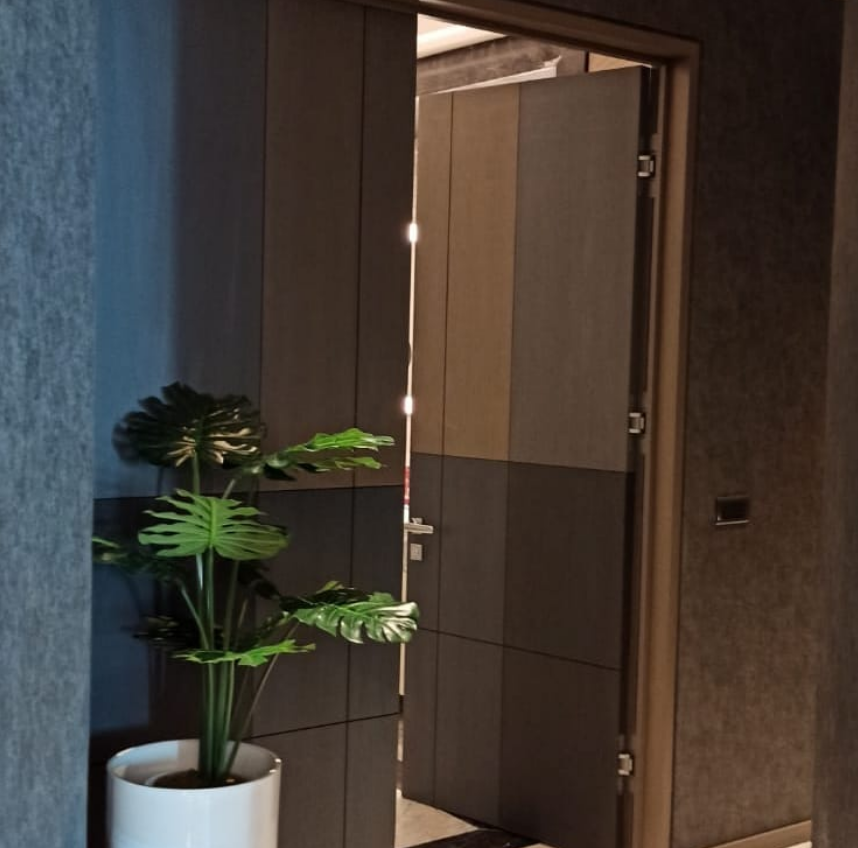
Butik Otel Mobilyaları
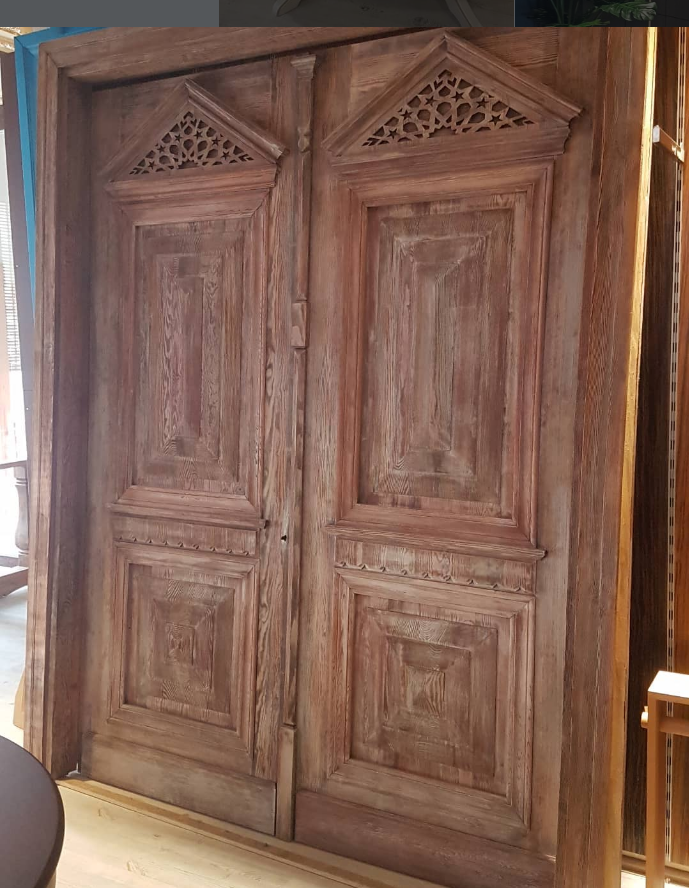
Butik Otel Mobilyaları
Tarihi Binaların Ahşap Dekorasyonları
Tarihi Ahşap restorasyonlari Kapılar
Tarihi binaların mobilya dekorasyonları


Butik Otel Mobilyaları
Etiket:5-Star Hotel Furniture Manufacturing Turkey, Custom Production Hotel Furniture Turkey, Hotel Bar Furniture Turkey, Hotel Chairs Turkey, Hotel Coffee Table Models Turkey, Hotel Furniture Technical Specifications Turkey, Hotel Restaurant Furniture Turkey, Hotel Suite Furniture Turkey, Hotel Tables Turkey, Hotel Wardrobe Internal Systems Turkey, Istanbul Hotel Furniture Turkey, King Suite Furniture Turkey, Open Wardrobe Models Turkey, Standard Hotel Room Decoration Turkey, VIP Lobby Furniture Turkey, Wholesale Hotel Furniture Turkey

Şunları da sevebilirsiniz
Pozantı Otel Mobilyaları | Adana Otel Mobilya Üretimi
Saimbeyli Otel Mobilyaları | Adana Otel Mobilya Üretimi