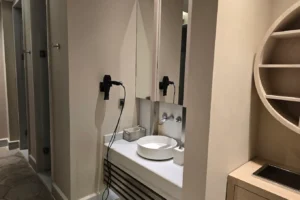
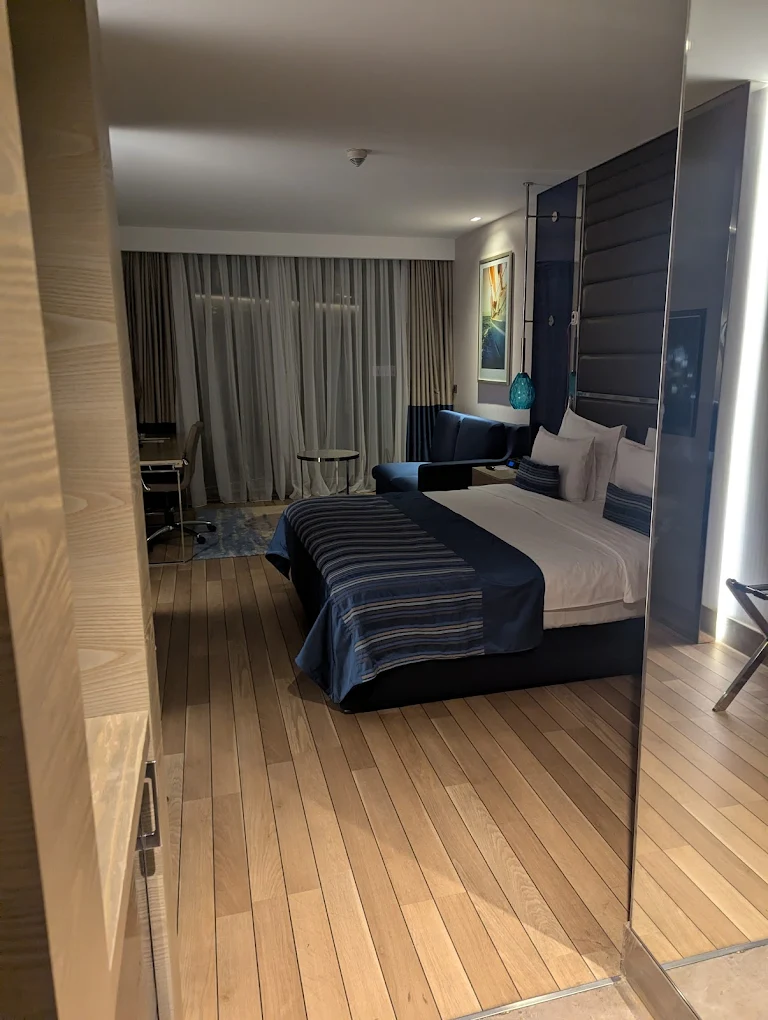
Hotel Room FurnitureTurkey
Hotel Room Furniture Turkey: The Definitive B2B Procurement and Engineering Guide
The guestroom is the foundational revenue generator and the ultimate testing ground for any hospitality property. While breathtaking lobbies and vibrant public spaces capture initial guest interest, the long-term profitability, guest satisfaction scores, and online reviews of a hotel depend entirely on the comfort, functionality, and durability of the guestroom environment.
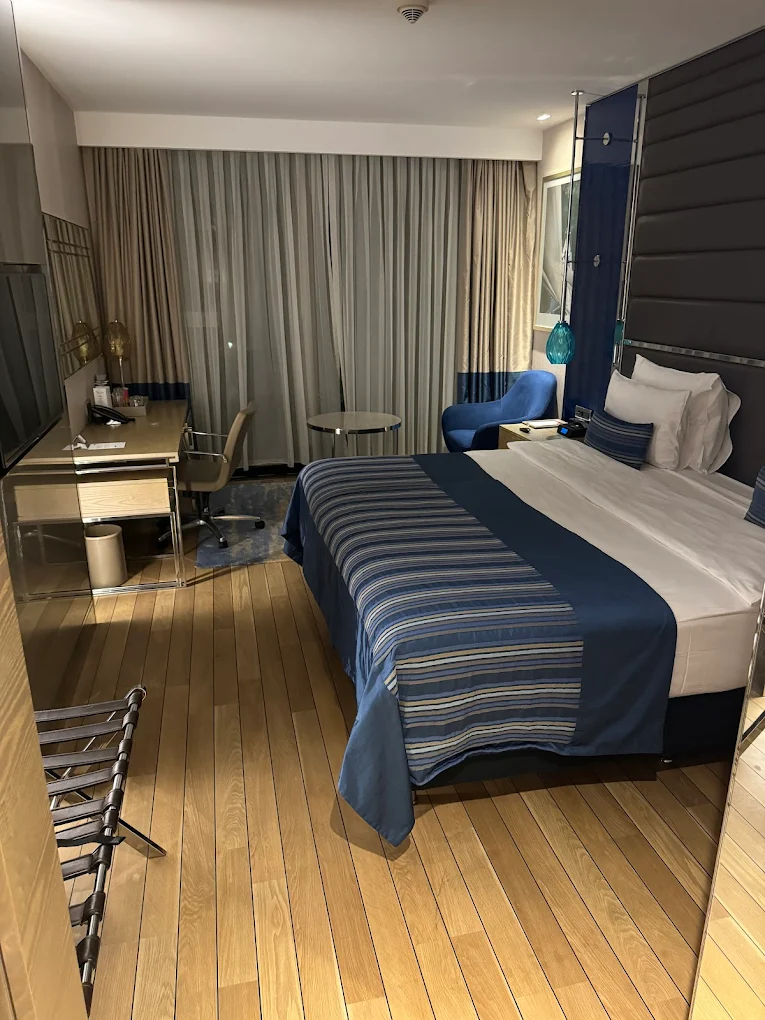
Global hotel brands, procurement companies, and hospitality interior designers are increasingly sourcing Hotel Room Furniture Turkey to execute large-scale, high-end guestroom fit-outs. Turkey’s specialized manufacturing centers have transitioned from traditional woodworking shops into advanced, vertically integrated engineering facilities. These factories successfully balance the precision of European machinery with the cost-efficiency of nearshore manufacturing, making them a premier destination for contract-grade hospitality furniture.
This technical guide delivers an in-depth analysis of the design parameters, value engineering processes, material science, quality assurance workflows, and logistics required to successfully source guestroom furniture from Turkey.
1. The Engineering Requirements of Contract-Grade Guestroom Furniture
Residential furniture is designed for careful use by a single family. In contrast, guestroom furniture must withstand non-stop use by hundreds of rotating guests every year. Sourcing Hotel Room Furniture Turkey connects buyers with engineering teams that design furniture to handle the heavy wear and tear of a commercial hospitality environment.
Guest Turnaround ➔ Heavy Luggage Impacts ➔ High Ambient Moisture/HVAC Shifts ➔ Strict Sanitation Regimes
Structural Integrity and Load Distribution
Wardrobes, luggage racks, and bed bases must support heavy loads and accidental impacts without bowing or joint separation. Turkish contract manufacturers build casegoods using advanced joining techniques rather than relying on standard wood glue and nails. Factories utilize heavy-duty cam-and-dowel fittings, deep mortise-and-tenon joints, and internal corner blocks secured with metal brackets. This ensures that a desk or minibar cabinet remains perfectly rigid even when loaded with heavy guest luggage or room equipment.
Resistance to Moisture, Humidity, and Temperature Spikes
Hotel rooms experience rapid shifts in temperature and humidity when guests adjust HVAC systems or leave bathroom doors open. In tropical resorts, these fluctuations are even more severe. Standard solid woods or cheap particleboards can quickly warp, swell, or crack under these conditions. Sourcing Hotel Room Furniture Turkey ensures that core components are built with high-density Moisture-Resistant Medium Density Fiberboard (MR-MDF) or multi-layered marine plywood. These engineered cores maintain their shape and stability despite ongoing atmospheric changes.
Chemical Durability Against Intense Cleaning Protocols
Housekeeping staff must clean rooms quickly between check-ins, often using strong commercial disinfectants to maintain health and safety standards. These frequent cleaning cycles can cause cheap surface varnishes to soften, turn sticky, or change color. Turkish manufacturers protect surfaces with multi-layer polyurethane, cross-linked acrylics, or ultraviolet (UV) cured coatings. These industrial finishes provide an invisible barrier that resists water rings, hot coffee mugs, rubbing, and alcohol-based sanitation sprays.
2. Turkey’s Primary Manufacturing Clusters for Guestroom Furniture
The Turkish furniture industry is organized into distinct geographical regions, each specializing in different material disciplines, production volumes, and price points. Knowing how these hubs operate helps procurement managers send their tenders to the right factories.
| Manufacturing Hub | Specialization | Material & Technology Focus | Target Project Profile |
|---|---|---|---|
| İnegöl (Bursa) | Industrial-scale customization, modular panel systems, automated casegoods. | High-speed CNC routers, automated edge banding, MR-MDF, Melamine. | High-Volume 3 to 5-Star Hotels, Select-Service Brands, Mega-Resorts. |
| Masko & Modoko (Istanbul) | Premium luxury custom fit-outs, artisan veneers, complex mixed-materials. | Exotic book-matched veneers, PVD metals, integrated glass and LEDs. | 5-Star Luxury Flagships, Heritage Properties, Bespoke Boutique Hotels. |
| Ankara (Siteller) | Heavy solid wood fabrication, traditional joinery, premium turned wood components. | European beechwood, white oak, walnut, classic structural timbers. | Traditional Luxury Hotels, Upscale Historic Properties, Executive Suites. |
| Kayseri | Mega-scale automated assembly, commercial mattresses, upholstered bed frames. | Tubular steel frame processing, injection foam, high-volume ticking. | Economy Brand Chains, Student Housing Projects, Cruise Ship Staterooms. |
İnegöl (Bursa): The Automation and Scalability Hub
İnegöl functions as a highly optimized manufacturing center. The local industrial zones focus on automated wood panel processing. If your project requires hundreds of matching guestroom keys delivered on a tight schedule, İnegöl factories offer the necessary production speed. Their production lines feature advanced European machinery networks that handle high-speed CNC cutting, zero-joint laser edge-banding, and automated drilling, keeping product quality perfectly consistent from the first room to the five-hundredth.
Istanbul (Masko, Modoko, and Free Zones)
For high-end luxury properties requiring complex custom designs and integrated architectural millwork, Istanbul is the preferred hub. Manufacturers here are highly adept at mixing materials, seamlessly combining custom cast glass, brushed brass detailing, natural marble surfaces, and integrated LED lighting into unified architectural statements. Istanbul manufacturers are highly experienced in working directly with international interior design firms and translating complex design intents into detailed shop drawings.
3. Detailed Engineering for Key Guestroom Furniture Items
A standard hotel guestroom requires a specialized collection of loose furniture and fixed casegoods. Every piece must be engineered to optimize room space, simplify housekeeping access, and withstand heavy daily use. Sourcing Hotel Room Furniture Turkey means collaborating with factory engineers who understand how to design these specific hospitality fixtures.
Architectural Concept Design ➔ Shop Drawing Engineering ➔ Value Engineering Review ➔ Approved Production Blueprint
Bed Headboards and Integrated Accent Panels
The bed wall is the visual center of the room. Modern designs often blend the headboard, nightstands, wall paneling, and electrical controls into one seamless assembly:
- Hidden Split-Batten Hanging Systems: Headboards are mounted using heavy-duty, interlocking aluminum split-battens (French cleats). This system keeps panels perfectly flush against the wall, distributes weight evenly, and allows housekeeping teams to easily remove panels for wall maintenance or deep cleaning.
- Integrated Electrical and Lighting Cutouts: Turkish factories use precision CNC machinery to cut out openings for electrical outlets, light switches, reading lamps, and USB charging ports based on your shop drawings. The interior of the panels includes hidden router lines and fire-rated plastic channels to hide all wiring safely.
- Material Combinations: Headboards frequently mix materials, pairing performance fabrics or eco-leathers with natural wood accents, stainless steel trim, or backlit acrylic accent strips.
Wardrobes, Closets, and Minibar Cabinets
Wardrobes and minibar enclosures must maximize storage space while protecting delicate internal appliances and wiring:
- Heavy-Duty Continuous Hardware: In commercial settings, standard cabinet hinges will quickly loose or sag. Turkish manufacturers specify 110-degree or 165-degree continuous hinges, soft-close drawer slides rated for 50kg loads, and heavy-duty sliding door tracks that won’t jump their rails.
- Ventilation and Heat Management: Minibars and safe boxes generate continuous dry heat. If this heat is trapped, the appliance will fail or scorch the surrounding wood cabinetry. Turkish fabricators build custom cabinets with CNC-routed ventilation grilles at the base and back, creating a natural chimney effect that vents warm air away safely.
- Integrated Sensor Lighting: Wardrobes feature recessed LED light strips that turn on automatically using micro-switches or motion sensors when the doors open, adding a premium feel while saving energy.
Multifunctional Desks and Integrated Luggage Racks
The luggage rack receives direct impacts from heavy, metal-cornered suitcases, making it one of the most vulnerable pieces in the room:
- Heavy-Impact Protective Surfaces: Luggage platforms are topped with highly durable materials like natural granite, sintered quartz stone, or thick high-pressure laminate (HPL).
- Stainless Steel Protective Slats: To stop luggage from scratching wood veneer surfaces, manufacturers embed solid stainless steel or heavy rubber bumpers into the top surface of the rack.
- Wall Protection Guards: Luggage racks include an integrated vertical backrest panel that keeps suitcases from rubbing against or denting the guestroom’s painted or wallpapered walls.
4. Material Selection and Performance Specifications
To ensure your furniture holds up under heavy use, your procurement specifications must meet strict international performance standards. Turkish manufacturers regularly source and certify materials to comply with these global testing metrics.
Technical Substrates and Wood Cores
The longevity of your furniture depends on the quality of its hidden internal core. Reputable factories producing Hotel Room Furniture Turkey match specific wood substrates to the exact wear demands of each piece:
Raw Substrate Choice ➔ Density & Moisture Check ➔ Surface Veneering ➔ Edge Lapping & Sealing
- Moisture-Resistant MDF (MR-MDF): This core material features a high internal bond density mixed with moisture-repelling resins, making it the industry standard for wardrobes, desks, and nightstands.
- Multi-Layered Birch Plywood: Used for high-stress structural parts like bed frames, curved armchair frames, and heavy table legs. Plywood provides excellent screw-holding strength and won’t warp or split over time.
- High-Pressure Laminate (HPL): Applied over wood cores for high-wear areas like desk tops, room key drops, and minibar counters. HPL provides excellent protection against impact, scratches, and stains.
Commercial Wood Veneers and Lacquer Finishes
If your guestroom design uses natural wood grain, the surfaces must be sealed properly to protect them from stains, sunlight, and wear:
- Veneer Splicing and Book-Matching: Turkish workshops are experts at slicing and splicing premium natural veneers like European walnut, white oak, and ash. Veneers are applied using hydraulic hot presses to guarantee zero bubbling or peeling along the edges.
- UV-Cured Lacquers: For large, flat panels, factories use automated ultraviolet (UV) rolling lines. This process applies and instantly cures multi-layered coatings, creating an incredibly hard, clear surface that won’t yellow from sunlight exposure.
- Polyurethane Matte and Gloss Finishes: For custom, shaped components, workers spray multi-part polyurethane lacquers inside dust-free cleanrooms. This creates an even, premium finish that completely seals the wood from external moisture.
5. Contract Upholstery Fabrics and Ergonomic Foams
Guestroom accent chairs, chaise lounges, desk seating, and upholstered headboards must balance long-term comfort with simple maintenance. Sourcing Hotel Room Furniture Turkey ensures your products utilize advanced textile and foam technologies engineered specifically for demanding commercial spaces.
Heavy-Traffic Contract Fabric Requirements
Residential fabrics will stretch, tear, and fade within months of deployment in a busy lobby. Turkish mills engineer high-performance contract textiles that meet strict international testing standards:
- Abrasion Resistance (The Martindale Test): While guestrooms can use fabrics rated at 30,000 rubs, high-use hotel lobbies require fabrics that can withstand at least 80,000 to 100,000+ continuous rubs (EN ISO 12945-2) without wearing through the backing fibers.
- Pilling Control: To prevent fuzzy fabric balls from forming on high-friction areas like seats and armrests, materials must score a Grade 4-5 minimum on the pilling resistance scale.
- Hydrophobic and Stain-Resistant Treatments: Fabrics are treated with advanced molecular barriers like Nano-Tex, Crypton, or Teflon. These coatings prevent liquid spills (such as coffee, wine, or juices) from soaking into the cushion fibers, allowing staff to easily wipe them away.
Global Fire Retardancy Compliance
Fire safety compliance is a critical legal requirement for public assembly spaces. Turkish manufacturers construct and certify their lounge seating to meet the exact regulations of your destination country:
- United Kingdom: Furniture complies with BS 5852:2006 (Crib 5), which tests components against substantial smoldering and flame sources.
- European Union: Materials conform to the EN 1021-1 and EN 1021-2 flame-equivalent benchmarks.
- United States: Seating assemblies comply with the rigorous California Technical Bulletin 133 (CAL 133) full-scale flammability test for high-risk public spaces.
High-Resilience Foam Engineering
The foam inside a lobby sofa must balance deep comfort with excellent shape retention. If the foam is too soft, it will sag and wrinkle the outer fabric. Turkish upholstery shops solve this issue by using multi-density, layered Combustion Modified High Resilience (CMHR) foams:
- Base Layer Support: A firm structural base layer with a density of \(40\text{ kg/m}^3\) to \(50\text{ kg/m}^3\) carries the primary weight and prevents guests from sinking down to the frame.
- Comfort Wrap Layer: A softer top comfort layer with a density of \(30\text{ kg/m}^3\) to \(35\text{ kg/m}^3\) provides an inviting, premium seating feel.
- Molded Polyurethane Core: For sculptural, curved organic chairs, manufacturers use specialized industrial machines to inject liquid polyurethane foam into custom steel molds. This produces a single, highly durable piece of foam with an integrated internal frame that retains its precise shape over years of use.
6. The Step-by-Step B2B Procurement and Engineering Timeline
Successfully executing an international hotel project requires a structured, step-by-step approach to keep production on track, control costs, and ensure everything is built to specification.
Tender/RFQ Pack ➔ Value Engineering (VE) ➔ Prototypes & Mock-ups ➔ Full Production ➔ Third-Party Inspection ➔ Global Shipping
1. The Tender and RFQ Phase
The procurement process begins with a detailed Request for Quote (RFQ) package. To get fast, accurate pricing, ensure your package contains:
- Complete interior design concept plans and detailed space layouts.
- Bill of Quantities (BOQ) showing exact item counts and target dimensions.
- Full material requirements, including specific gloss levels, metal finishes, and fabric rub ratings.
- Target delivery schedule and on-site completion dates.
2. Value Engineering (VE) and Manufacturing Optimization
During this phase, factory production engineers review the designs to optimize production processes and reduce material waste without compromising style or strength:
- Recommending alternative, cost-effective materials, such as replacing a low-use vertical wood veneer with a matching, durable laminate surface.
- Adjusting interior construction layouts to maximize material use from standard sheets, lowering raw material costs.
- Streamlining complex internal joints to reduce manual assembly time, which speeds up factory production.
3. The Full-Scale Prototype Sign-Off
Before starting mass production, reputable Turkish manufacturers build full-scale prototypes of key furniture pieces:
- Physical Inspection: The hotel owner, interior designer, and procurement team check the physical furniture to verify proportions, material finishes, and seating ergonomics.
- Functional Hardware Testing: Teams test integrated elements, making sure wire management flaps, drawer slides, and built-in lighting operate smoothly.
- Production Refinement: The factory uses this phase to optimize assembly steps, ensuring consistent quality across the entire mass production run.
7. Factory Quality Control and Compliance Audits
To guarantee your guestroom furniture holds up under years of heavy use, factories must follow strict, structured quality assurance steps at every stage of production.
Raw Material Inspection ➔ CNC Precision Calibration ➔ Post-Assembly Structural Audit ➔ Packing Compliance Sign-Off
Essential Quality Management Certifications
When vetting potential manufacturing partners in Turkey, verify that the factory holds these recognized international quality and operations certifications:
- ISO 9001 (Quality Management System): Confirms the factory uses consistent, well-documented workflows from the initial design phase through final production.
- ISO 14001 (Environmental Management System): Validates that the manufacturer uses sustainable production methods, manages waste responsibly, and minimizes environmental impact.
- ISO 45001 (Occupational Health and Safety): Ensures the factory maintains a safe, fair, and supportive working environment for its entire team.
Testing Structural Strength and Mechanical Durability
Contract public furniture must pass rigorous physical testing to ensure it can safely handle heavy daily use in busy communal spaces:
- Static Load and Impact Testing: Lounge seating undergoes mechanical stress testing (such as EN 1728 or ANSI/BIFMA X5.4) where automated machinery runs thousands of compression cycles on seats, backs, and arms to simulate years of heavy use.
- Functional Cycle Testing: Drawer tracks, cabinet glides, and heavy reception cabinet hinges are tested over 50,000+ open-and-close cycles to ensure they will not loose, sag, or fail over time.
8. Heavy-Duty Export Packaging and Ocean Freight Logistics
Transporting large volumes of custom public area furniture from a Turkish factory to an international site requires robust packaging and careful shipping coordination.
Multi-Layered Packaging Engineering
To protect items from scratches, structural impacts, and ocean moisture during transport, furniture is packed using high-quality protective layers:
- Impact Protection: Vulnerable furniture corners are fitted with thick, high-density polyethylene foam caps and wrapped in heavy-duty corrugated edge guards.
- Surface Shielding: Polished wood veneers, delicate lacquered finishes, and premium metal accents are covered with a protective PE scratch-resistant film.
- Cushioning and Stabilization: Items are securely packed inside thick, double-wall corrugated cardboard boxes lined with expanded polystyrene (EPS) foam sheets to absorb shocks.
- Moisture Defense: Industrial silica gel packs are added to every box and container to absorb ambient moisture, preventing mold growth or wood warping during sea transit.
[Furniture Frame] ➔ [PE Scratch Layer] ➔ [EPS Foam Blocks] ➔ [Double-Wall Box] ➔ [Reinforced Wood Crate]
Smart Container Loading and Transit Efficiency
Experienced Turkish logistics teams use dedicated software to plan container loading, ensuring everything arrives safely:
- Stable Weight Distribution: Heavy casegoods, stone countertops, and metal frames form a secure base at the bottom of the container, while lighter upholstered pieces sit safely on top.
- Secure Bracing Systems: Wood blocks, cargo straps, and heavy-duty inflatable dunnage bags are installed throughout the container to stop items from sliding or tipping during rough sea conditions.
9. Sustainable Production and Green Certifications
Sustainability is now a top priority for modern hospitality brands. The Turkish furniture sector has updated its manufacturing infrastructure to meet international green building and environmental standards.
Sustainable Wood (FSC) ➔ Eco-Friendly Processing (Low-VOC) ➔ Clean Manufacturing Energy Use
Responsibly Sourced Timber Networks
- FSC Chain of Custody Certification: Leading Turkish manufacturers hold full Forest Stewardship Council (FSC) certification. This ensures that all solid woods, plywoods, and MDF cores can be traced back to legally managed, sustainable forests.
- Protecting Regional Ecosystems: Using FSC-certified timber guarantees that logging practices preserve forest biodiversity, prevent illegal logging, and protect local water basins.
Low-Emission Coatings and Healthy Indoor Air Quality
Indoor air quality is essential for guest comfort and well-being. Sustainable factories use low-emission finishes to protect indoor environments:
- E1 and E0 Engineered Wood Standards: Wood cores meet strict European E1 or E0 standards, ensuring formaldehyde emissions stay well below hazardous levels.
- Eco-Friendly Water-Based Finishes: Factories use water-based polyurethane coatings and natural oils instead of traditional solvent varnishes. This reduces Volatile Organic Compound (VOC) emissions, keeping the air clean for both production workers and future hotel guests.
10. Navigating Contracts, Incoterms, and Payment Milestones
Working with international manufacturing partners requires clear, legally binding commercial agreements to protect both parties and ensure project success.
Understanding International Commercial Terms (Incoterms)
Your production contract must clearly state which Incoterm applies, defining exactly who handles transport costs, customs clearances, and shipping risks:
- EXW (Ex Works): The buyer assumes full responsibility, managing transport and insurance from the factory floor all the way to the final hotel project site.
- FOB (Free On Board): The manufacturer manages local transport and export clearance, handing responsibility over once the containers are loaded onto the ship at the Turkish port (such as Ambarlı, İzmir, or Gemlik).
- DDP (Delivered Duty Paid): The manufacturer manages the entire shipping process, including ocean freight, import duties, local customs clearance, and final delivery directly to the hotel construction site.
Structured Payment Milestones
B2B hospitality manufacturing contracts typically use a milestone-based payment structure to keep project cash flow steady, balanced, and predictable:
30% to 40% Advance Deposit ➔ 50% to 60% Mid-Line/Post-Inspection ➔ 10% Final Performance Retainage
- Advance Deposit (30% to 40%): Paid to lock in raw material prices, book factory production slots, and start engineering shop drawings.
- Mid-Line or Post-Inspection Milestone (50% to 60%): Released after the mid-production quality inspection passes, right before containers are sealed and shipped.
- Final Balance (10%): Held as a performance retainage, released once the shipment arrives safely at the destination site or after final installation sign-off.
Conclusion: Maximizing ROI with Turkish Manufacturing Partners
Sourcing Hotel Room Furniture Turkey provides global hospitality brands with an exceptional combination of structural durability, reliable logistics, and advanced value engineering. By choosing a manufacturer that aligns with your design language, project scale, and material requirements, you can build a striking, high-performance public space that welcomes guests and supports efficient daily operations.
Partnering with certified Turkish factories ensures your custom reception counters, high-traffic lounge seating, and architectural millwork will look impressive, comply with international fire codes, and withstand the demands of a busy hotel environment for years to come.
To help tailor this guestroom furniture sourcing strategy to your specific project, let me know:
- Your hotel’s brand tier and design concept (e.g., modern select-service, ultra-luxury boutique, or resort keys).
Butik Otel Mobilyaları
Butik Otel Mobilyaları
Butik Otel Mobilyaları


Butik Otel Mobilyaları

Şunları da sevebilirsiniz
Pozantı Otel Mobilyaları | Adana Otel Mobilya Üretimi
Saimbeyli Otel Mobilyaları | Adana Otel Mobilya Üretimi