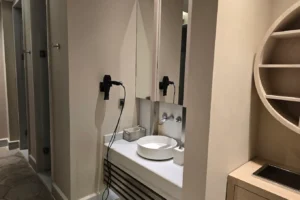
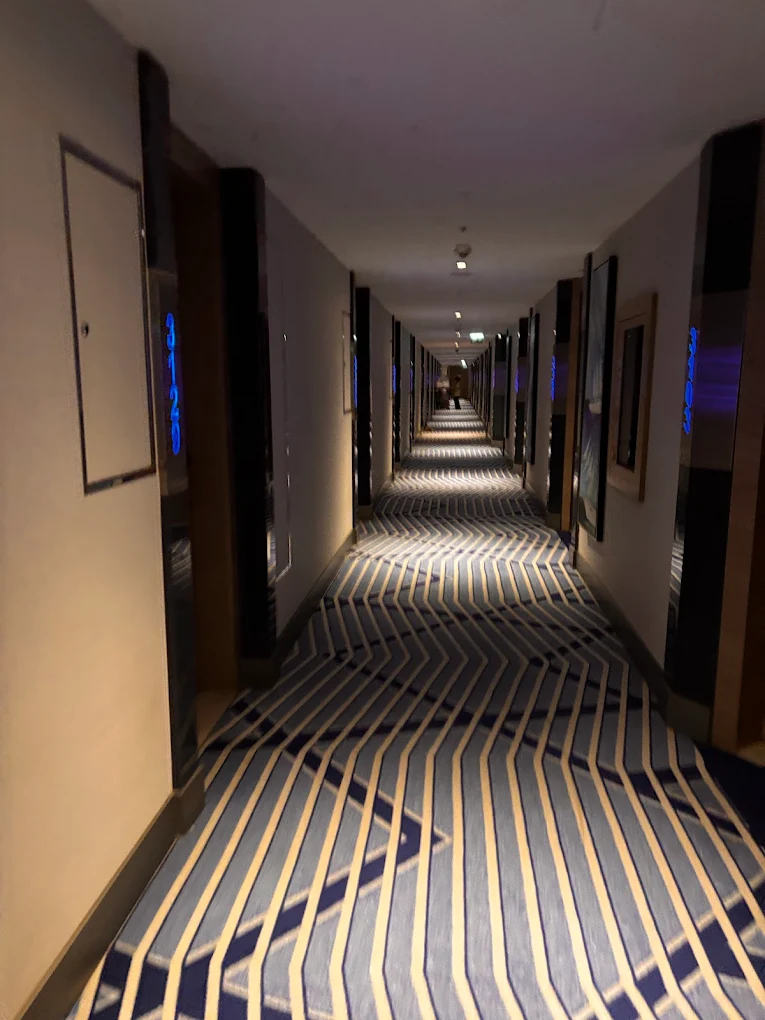
Hotel Furniture
Hotel Furniture: The Definitive Technical Guide to Hospitality FF&E Procurement, Commercial Durability Standards, and Asset Lifecycle Engineering
Hotel furniture represents a critical capital expenditure (CapEx) that directly impacts guest satisfaction, operational efficiency, and a property’s long-term commercial valuation. Unlike residential furnishings, contract-grade hotel furniture must endure high-impact, continuous utilization cycles while meeting rigid global safety, flammability, and environmental regulations.
For developers, interior architects, and procurement managers, understanding the material science and structural engineering behind hospitality Furniture, Fixtures, and Equipment (FF&E) is essential. This comprehensive technical guide analyzes the structural standards, manufacturing protocols, and design strategies required to specify high-performance hotel furniture that maximizes return on investment (ROI).
1. Structural Engineering and Joinery Standards for Commercial Performance
The fundamental metric of contract-grade hotel furniture is structural integrity. Residential furniture pieces placed in a commercial guestroom or lobby will rapidly fail under the mechanical stress of continuous guest turnover.
Advanced Joinery Methods
To prevent structural loosening, warping, or joint failure, commercial hospitality casegoods and seating rely on traditional, high-strength industrial joinery:
- Mortise and Tenon Construction: The primary structural junction for casegoods and seating frames, machined to sub-millimeter tolerances and reinforced with water-resistant wood adhesives.
- Double-Doweled and Blocked Corners: Every high-stress angle on an upholstered chair or sofa frame is backed by solid wood corner blocks that are both glued and mechanically secured with twin-threaded pocket screws.
- Threaded Metal-to-Metal Inserts: For components requiring on-site assembly—such as oversized presidential desks or modular headboards—manufacturers avoid standard wood screws. Instead, they embed threaded steel inserts and machine bolts into the timber frame, allowing secure tightening and clean disassembly without stripping the wood fiber.
Rigorous Mechanical Testing and Compliance
Before specification, contract-grade hotel furniture must pass independent laboratory validation protocols. In North America, the primary benchmark is BIFMA (Business and Institutional Furniture Manufacturers Association) standards, while European markets require EN 527 and EN 1728 compliance. These protocols subject lounge seating, bed foundations, and work surfaces to thousands of cycles of static load, severe drop, and impact testing to eliminate property liability risks.
2. Material Science in Hospitality Casegoods and Seating Manufacturing
The longevity of hotel furniture is dictated by the chemical and physical composition of its outermost surfaces and core substrates. Specifiers must balance authentic natural luxury with industrial surface resilience.
Engineered Isotropic Substrates vs. Solid Hardwoods
While solid wood is prized for high-end accent pieces, large solid panels are susceptible to volumetric expansion and contraction due to fluctuating indoor humidity and climate changes. Professional hospitality manufacturing strategically deploys:
- High-Density Fiberboard (HDF) and MDF: Used as the primary core substrate for wall panels, headboards, and wardrobes because its uniform, isotropic nature prevents linear grain splitting or warping under variable HVAC conditions.
- Marine-Grade Baltic Birch Plywood: Utilized in high-moisture hospitality zones—such as bathroom vanities, spa reception desks, and beachfront indoor-outdoor transition lounges—to prevent substrate delamination.
- Premium Wood Veneers: Natural hardwood logs are sliced into thick sheets (typically 0.6mm to 2.0mm) and bonded to engineered cores. This achieves the authentic visual and tactile warmth of premium timber while ensuring structural stability.
Horizontal Surface Protection
Horizontal surfaces on hotel furniture—specifically nightstands, writing desks, and minibars—are highly vulnerable to physical scratches, impact, and chemical burns from housekeeping cleaning agents. Specifiers protect these zones using:
- High-Pressure Laminates (HPL): Applied to high-touch surfaces to provide exceptional resistance to impact, heat, and moisture ring marks left by guest beverages.
- Catalyzed Polyurethane Finishes: Real wood veneer surfaces receive multi-layered factory applications of cross-linked polyurethane or UV-cured topcoats to seal the timber pores against liquid penetration.
3. Strict International Fire Safety and Ecological Regulatory Compliance
Deploying furniture within public accommodations requires strict compliance with regional building safety laws and environmental metrics. Reliable contract factories engineer their complete product assemblies to pass the world’s most demanding certification pathways.
Global Flammability Mandates
Because upholstery represents a high fuel load in a building fire scenario, all padded hotel furniture must actively resist ignition:
- BS 5852 (Crib 5): The standard regulatory benchmark across the United Kingdom, Europe, and many luxury international jurisdictions, requiring the synchronization of fire-resistant exterior textiles with combustion-modified high-resiliency (CMHR) cushioning foams.
- CAL 133 Certification: For North American real estate developments, public area seating is engineered with an internal, specialized aramid fire-blocking liner directly beneath the fabric layer. This construction allows the complete furniture assembly to pass full-scale open-flame ignition tests.
Environmental Certificates and Indoor Air Quality
Modern corporate booking requirements and global institutional investment funds demand clear sustainability records. Contract manufacturers of hotel furniture deliver validated data paths:
- Greenguard Gold Certification: Verifies that all lacquers, stains, wood veneers, and assembly adhesives emit ultra-low volatile organic compounds (VOCs), preserving pristine indoor air quality within sealed guestrooms.
- FSC Chain-of-Custody Sourcing: Proves that all solid hardwoods and decorative wood veneers originate exclusively from responsibly managed, sustainable forests certified by the Forest Stewardship Council.
4. Advanced Textile Engineering and Cushioning Foam Science
The visual lifecycle of upholstered public area and guestroom furniture depends entirely on the technical parameters of the selected performance fabrics and foam inserts.
Textile Abrasion Resistance and High Rub Counts
Lobby lounges, reception seating, and fine-dining chairs must resist severe friction from heavy luggage zippers, rivets on denim, and aggressive daily housekeeping sanitation routines. Performance contract textiles are evaluated via rigorous testing:
- Martindale and Wyzenbeek Metrics: Fabrics specified for high-traffic hotel lobbies must clear a minimum threshold of 100,000 to 150,000 double rubs, while guestroom upholstery requires at least 30,000 double rubs.
- Composition Stability: Manufacturers utilize high-performance synthetic fiber blends, including solution-dyed acrylics and inherently flame-retardant Trevira CS yarns, to resist structural degradation and fading from intense UV exposure near expansive lobby glazing.
- Nanotech Surface Barriers: Textiles are integrated with advanced moisture and stain barriers that prevent liquid spills from soaking through the fabric and into the internal padding, eliminating the risks of mold accumulation and deep-set odors.
Polyurethane Foam Density Layering
To prevent public seating areas from developing permanent sagging or body indentations over time, hotel furniture utilizes high-density, cold-cure molded polyurethane foam:
- The Structural Core: A high-resiliency (HR) core base featuring a minimum density of 2.8 to 3.5 lbs/cu.ft. (45 to 55 kg/m³) provides firm, lasting ergonomic resistance.
- The Ergonomic Comfort Wrap: A secondary plush layer of lower-density flame-retardant foam or specialized dacron wraps the core. This setup offers an inviting initial contact point for the guest without altering the long-term structural shape memory of the main seat cushion.
5. Ergonomics and Operational Optimization for Housekeeping Efficiency
Smart hotel furniture design focuses heavily on the property’s daily operational velocity. Furniture configurations must enhance guest comfort while minimizing the time required for environmental services (EVS) teams to clean and turn over guestrooms.
Smart Technology Integration
As business travel blends with leisure, guestroom desks and public tables must function as high-efficiency work hubs. Contract engineers seamlessly embed technology into these pieces:
- Hidden Wire-Management Ducts: Internal pathways are precision-milled inside solid timber or metal table legs, routing electrical cabling invisibly from floor outlets up to the surface.
- Flush-Mounted Surface Hubs: CNC machines cut precise apertures into wood veneers or anti-fingerprint laminates to install premium panels equipped with international power sockets, USB-C rapid charging ports, and integrated wireless charging pads.
Designing for Housekeeping Speed
Housekeeping labor represents one of a hotel’s highest ongoing operational costs. Strategic hotel furniture engineering mitigates this:
- Wall-Mounted and Floating Casegoods: Floating vanities, nightstands, and headboards clear floor space entirely. This allows housekeepers to vacuum or mop rapidly without moving heavy items or bumping furniture legs with heavy equipment.
- Solid Plinth Foundations: Swapping out exposed delicate wooden legs for solid, recessed metal or laminate plinth bases on platform beds and lounge seating completely eliminates the open space beneath the furniture. This design choice eliminates dust accumulation zones and prevents guests from dropping trash or personal items under the bed, drastically reducing room turnover speeds.
6. Navigating the Procurement, Prototyping, and Quality Control Pipeline
To ensure absolute execution accuracy and eliminate costly property opening delays, purchasing managers and design teams should enforce a highly structured procurement protocol.
Phase 1: Precision Shop Drawing Submittals
The factory’s technical design department translates the concept sketches and 3D renderings from the interior design firm into millimeter-precise, production-ready shop drawings. This blueprint phase determines precise wood grain orientations, exact metal gauge selections, weld points, and integrated wiring pathways.
Phase 2: The Physical Prototype (Mock-Up Room) Protocol
Before launching mass factory production for hundreds of guestrooms, ordering a physical mock-up room is a critical quality milestone. The manufacturer produces one complete master set of custom furniture for on-site inspection. This allows owners, designers, and operations managers to physically test the ergonomics, evaluate custom color stains under the property’s specific local lighting conditions, and confirm the exact clearance tolerances of the hardware.
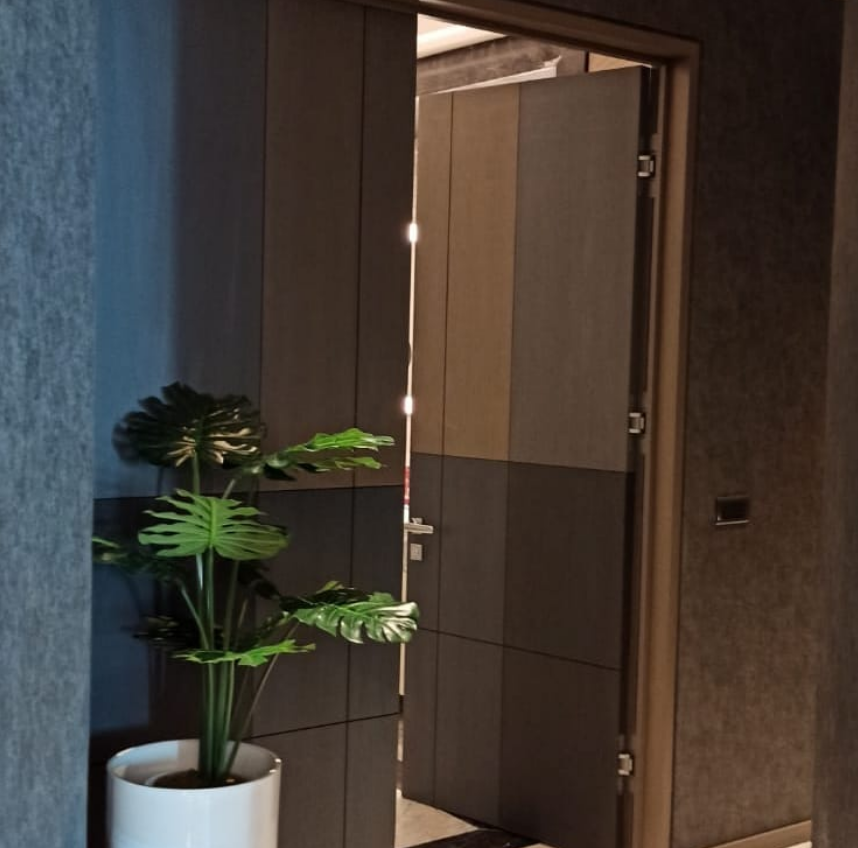
Butik Otel Mobilyaları
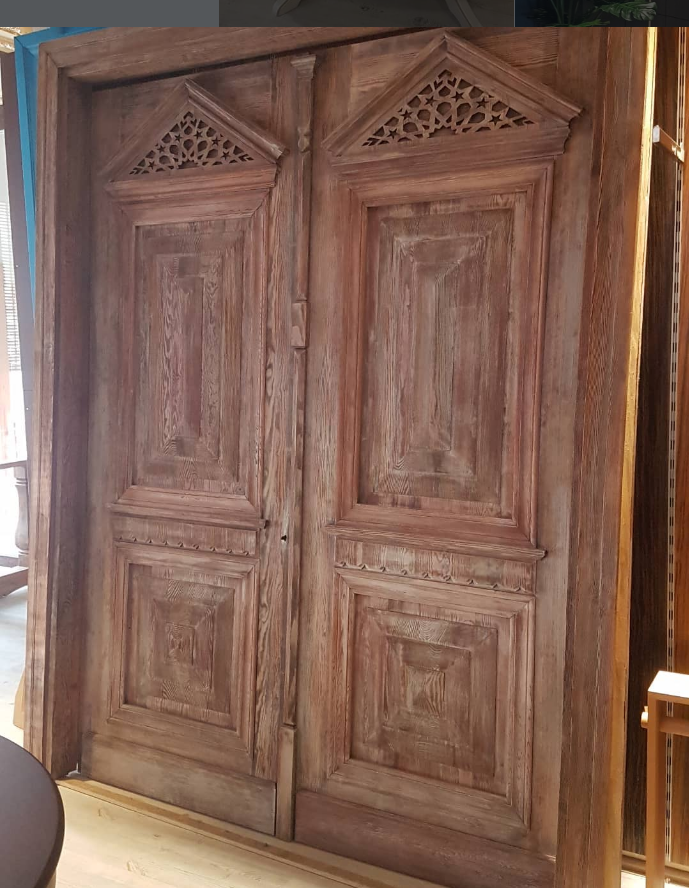
Butik Otel Mobilyaları
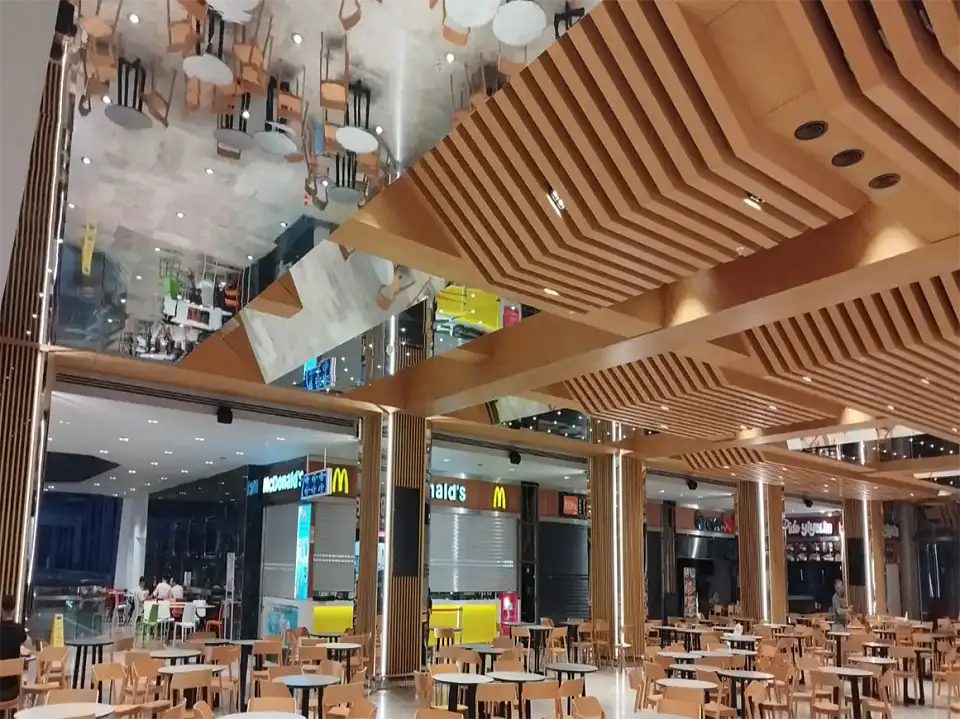
Tarihi Binaların Ahşap Dekorasyonları
Tarihi Ahşap restorasyonlari Kapılar
Tarihi binaların mobilya dekorasyonları
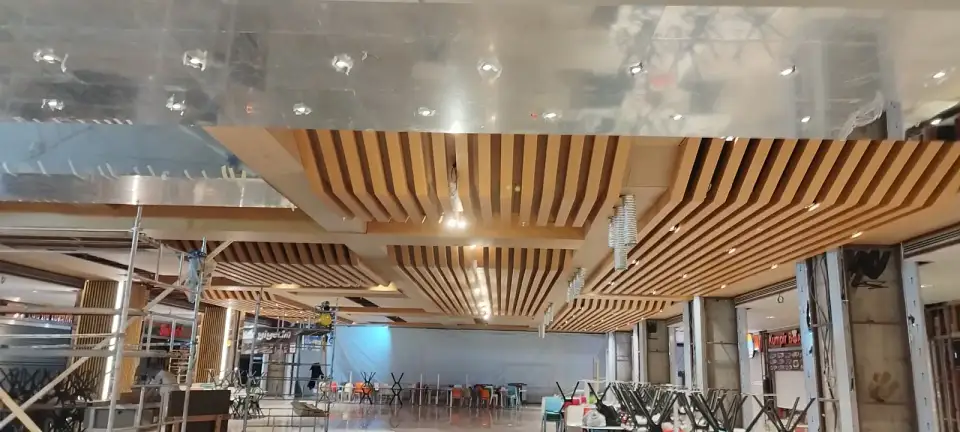
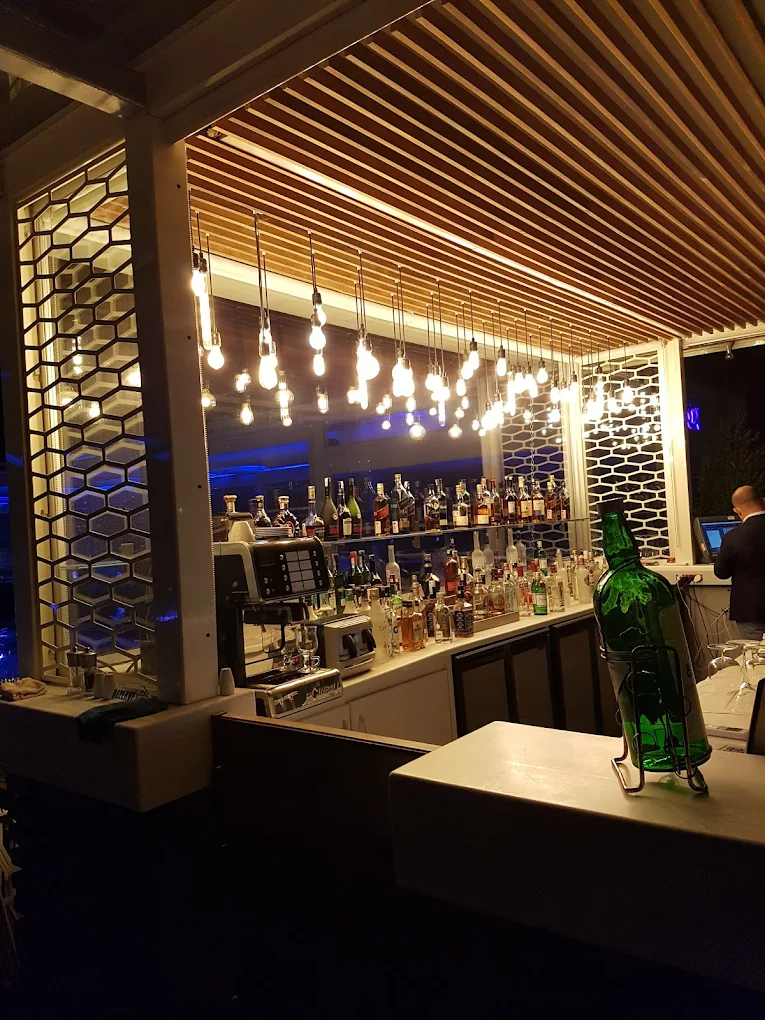
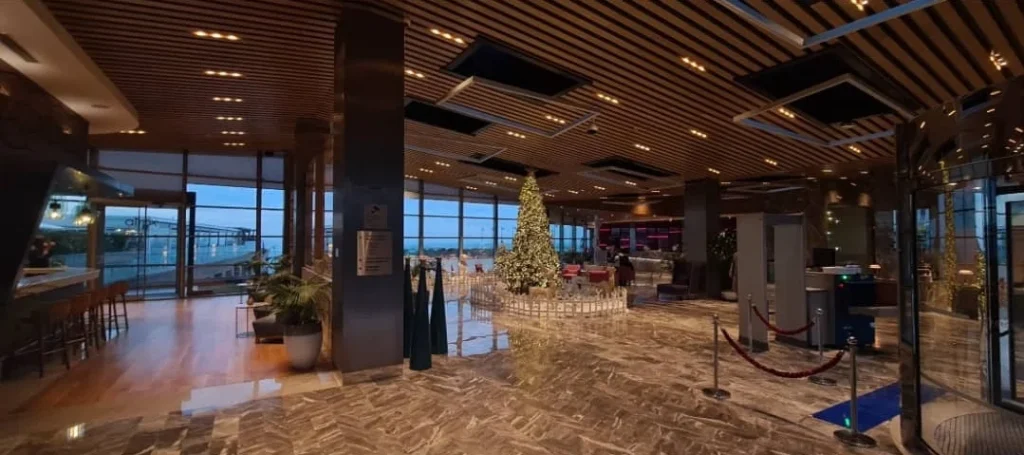
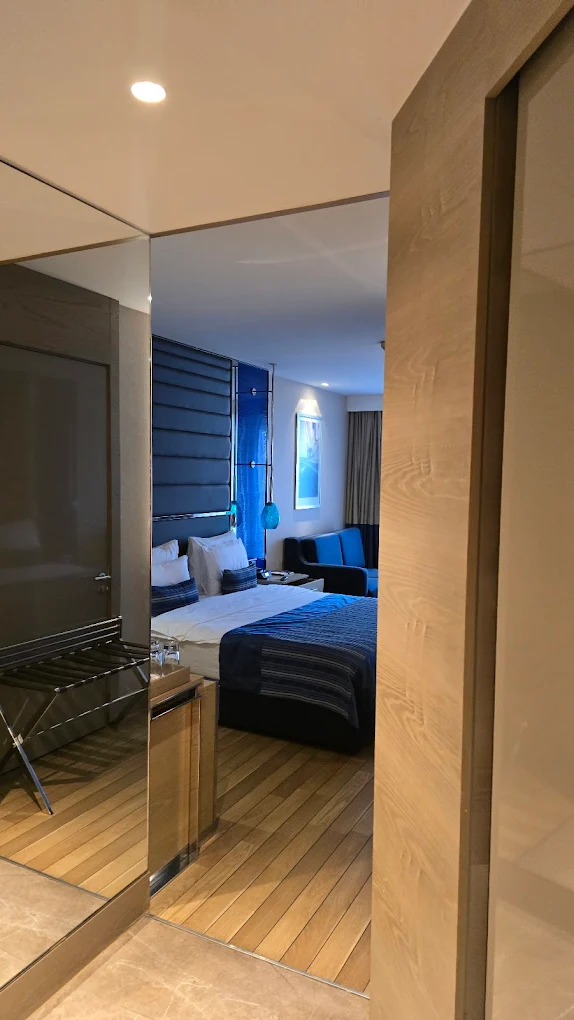
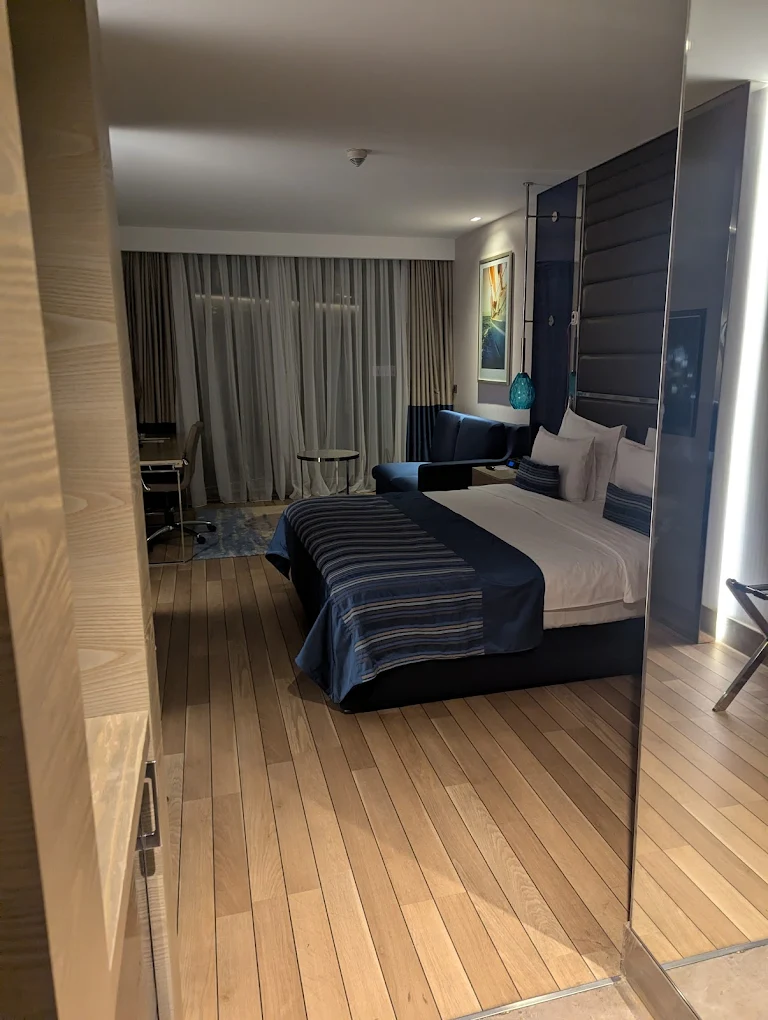
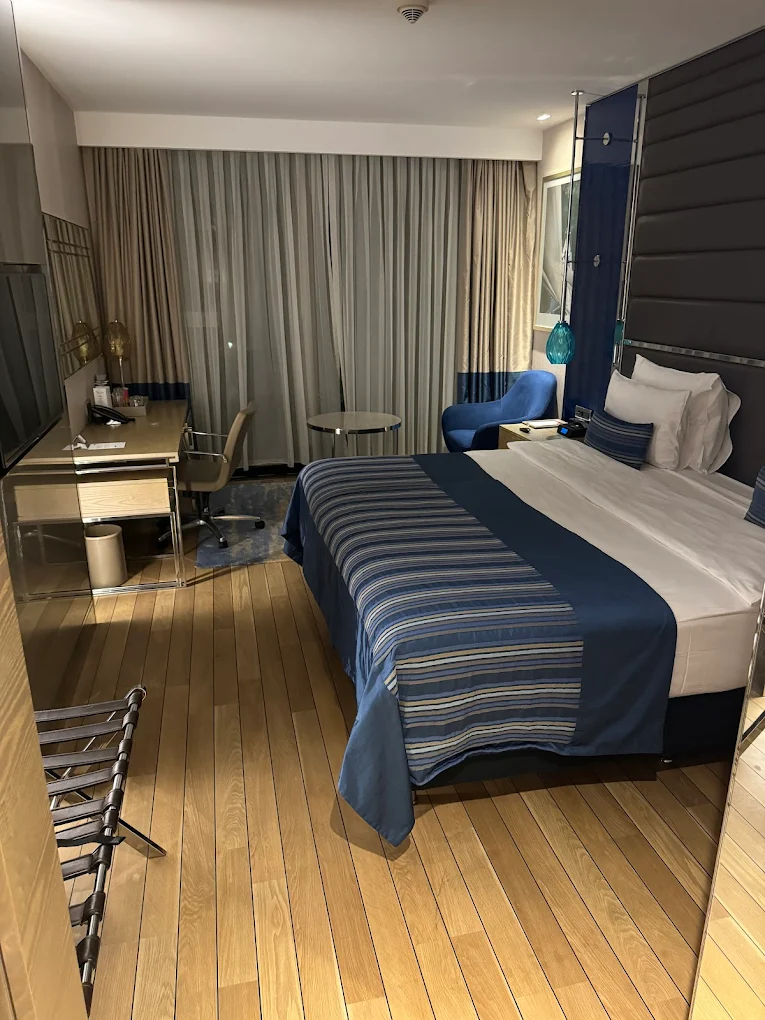
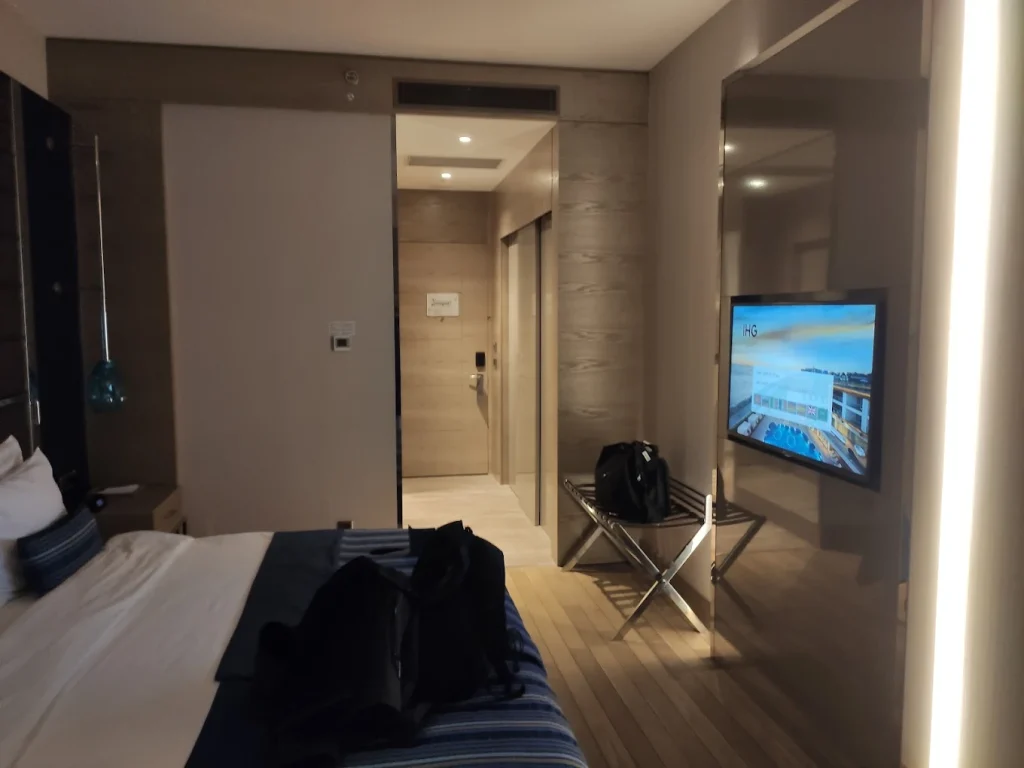
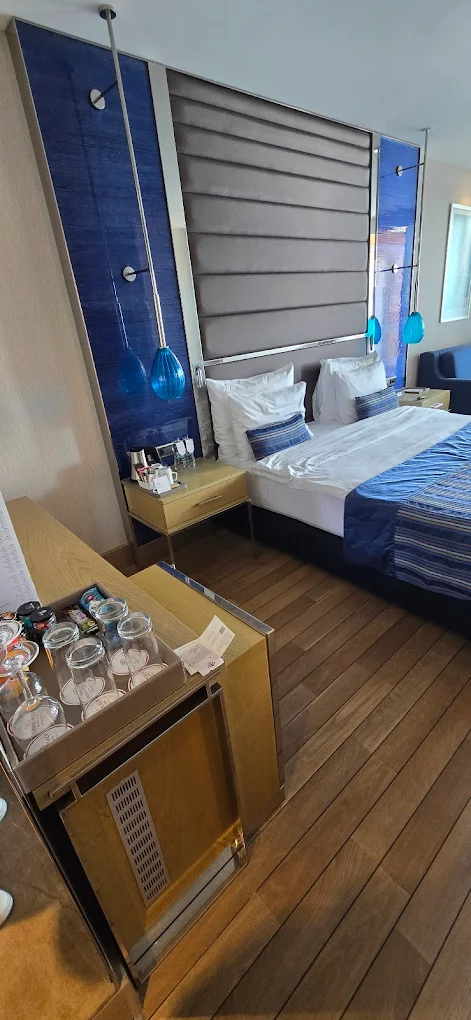


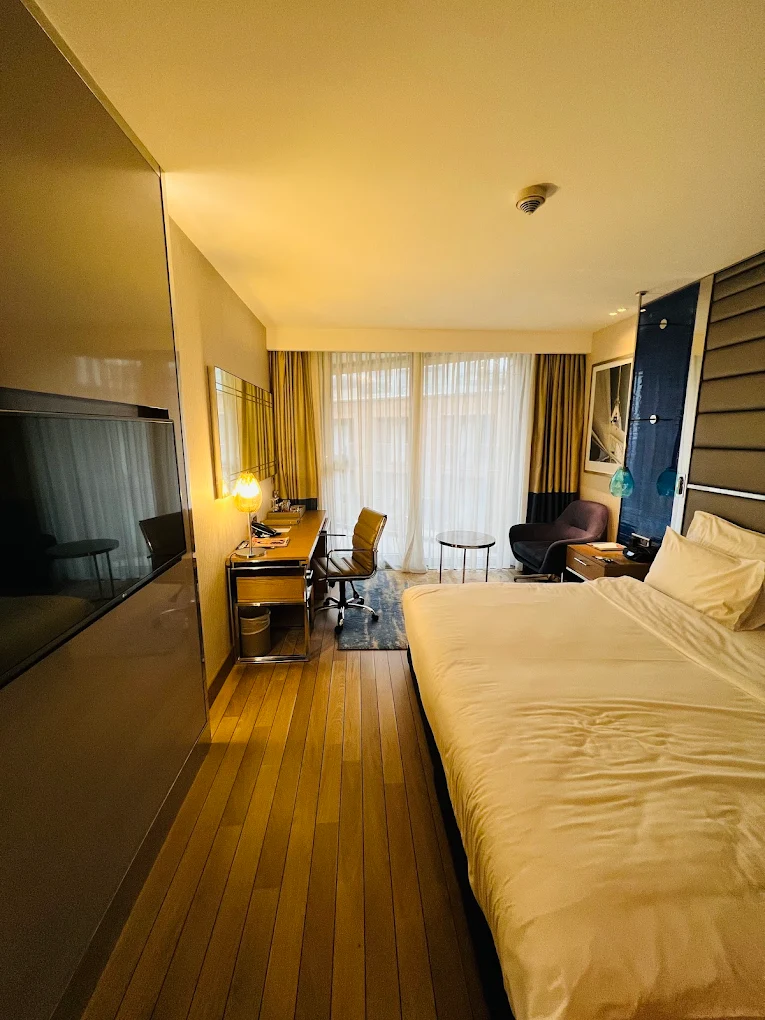
Butik Otel Mobilyaları
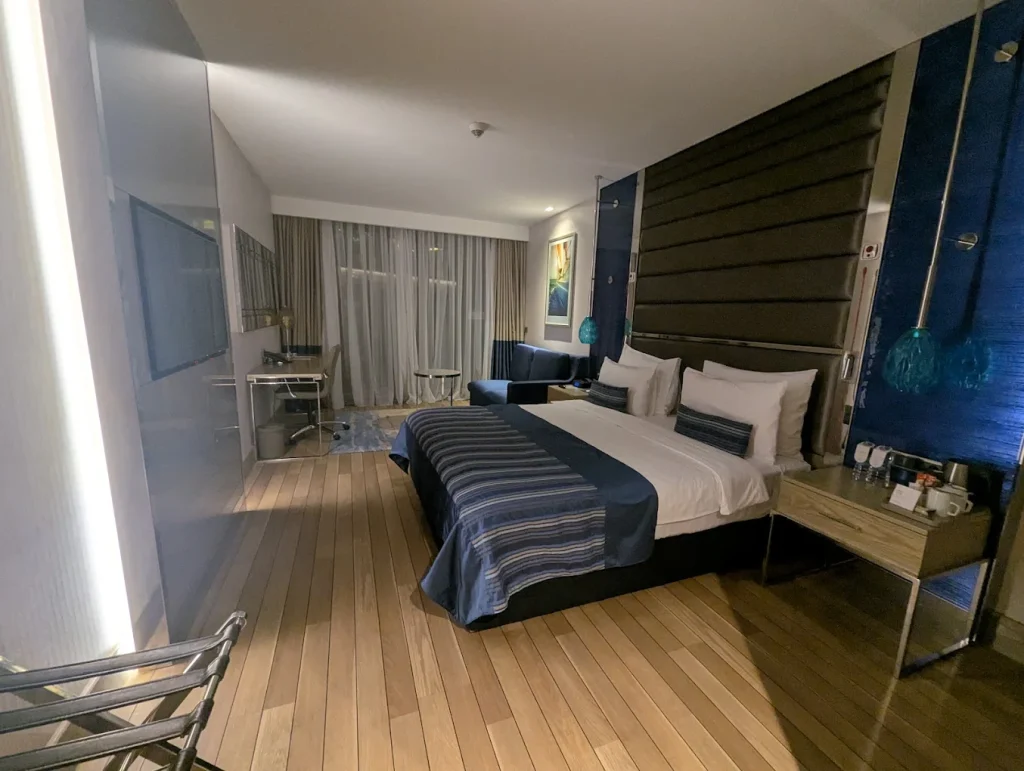
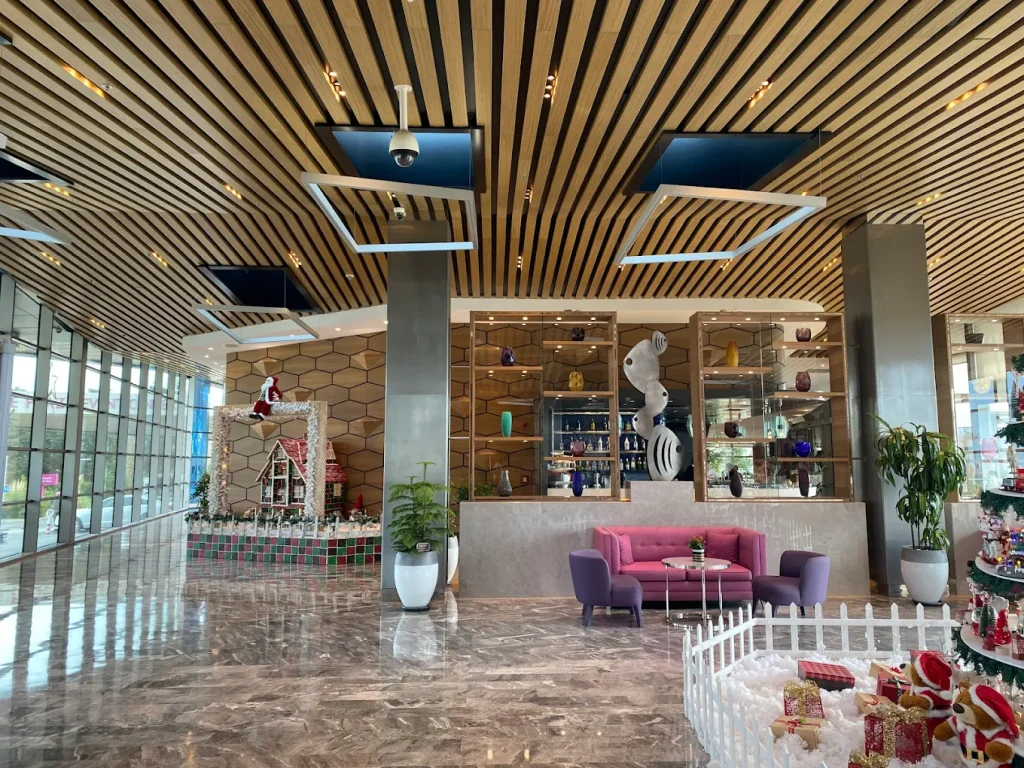
Etiket:Distressed Wood Hotel Furniture Turkey, Hotel Doors Turkey, Hotel Entrance and Hotel Lobby Furniture Turkey, Hotel Entrance Furniture Turkey, Hotel Furniture, Hotel Furniture Decoration Turkey, Hotel Furniture Istanbul Turkey, Hotel Furniture Manufacturing Turkey, Hotel Furniture Turkey, Hotel Lobby Furniture Turkey, Hotel Room FurnitureTurkey, Hotel Wood Decoration Turkey, Luxury Hotel Furniture Turkey, Solid Wood Hotel Furniture Turkey, Wooden Hotel Furniture Turkey

Şunları da sevebilirsiniz
Pozantı Otel Mobilyaları | Adana Otel Mobilya Üretimi
Saimbeyli Otel Mobilyaları | Adana Otel Mobilya Üretimi