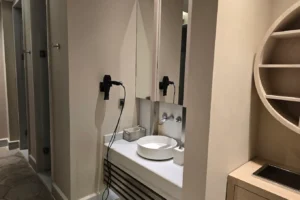
Hotel Lobby Furniture Turkey
Hotel Lobby Furniture Turkey: The Technical Guide to Hospitality FF&E Engineering, Commercial Durability Standards, and Public Space Sourcing
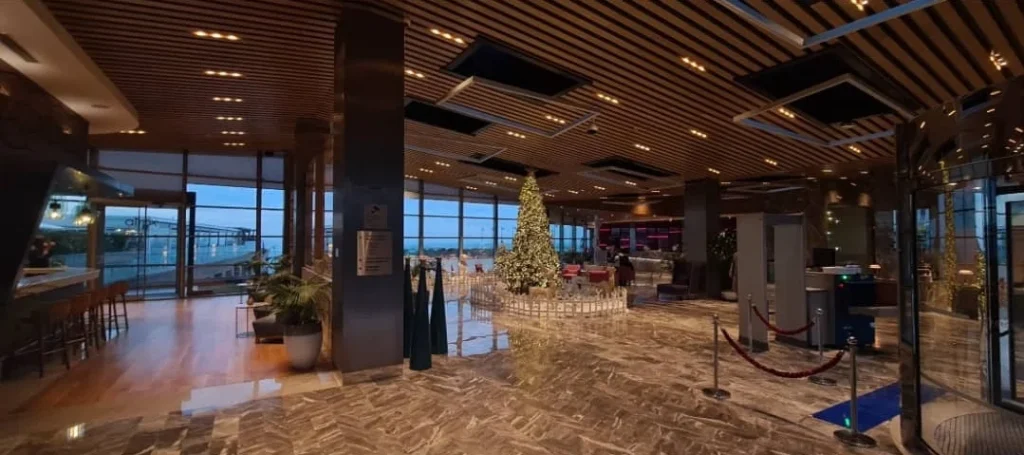
The modern hotel lobby has evolved from a static reception zone into a dynamic, revenue-generating ecosystem. Acting as co-working spaces, casual dining zones, and brand statement hubs simultaneously, hospitality public spaces demand a highly strategic approach to Furniture, Fixtures, and Equipment (FF&E). For international hotel developers and procurement agents, sourcing hotel lobby furniture Turkey has become a premier mechanism to balance cutting-edge architectural aesthetics with rigorous contract-grade durability metrics.
Turkey’s position as a global leader in textile weaving, advanced metal fabrication, and automated wood engineering makes it a critical hub for contract hospitality manufacturing. This comprehensive guide delivers a technically in-depth analysis of the structural standards, material sciences, and procurement protocols essential when specifying hotel lobby furniture Turkey for high-traffic commercial real estate.
1. Structural Engineering and Joinery for High-Traffic Public Assembly Zones
Lobby seating and casegoods endure exponentially higher mechanical wear and tear than guestroom items. When engineering hotel lobby furniture Turkey, commercial contract manufacturers apply specific industrial design metrics to eliminate structural fatigue and liability risks.
Kiln-Dried Hardwood Selection and Moisture Management
Residential-grade frames quickly warp or snap under continuous public use. Heavy-duty hotel lobby furniture Turkey relies on a solid foundation of premium European hardwoods, primarily hornbeam, beech, and oak. These lumbers undergo rigorous kiln-drying protocols to reduce internal moisture content to a precise 8% to 10% equilibrium. This targeted range prevents the internal timber frame from splitting, expanding, or loosening at the joints when exposed to fluctuating large-scale commercial HVAC environments.
Advanced Joinery Protocols
To ensure long-term stability under severe static and dynamic weight loads, the internal frames of hotel lobby furniture Turkey discard standard wood screws in favor of robust, industrial joinery:
- Mortise and Tenon Integration: The primary structural junctions are machined using heavy-duty mortise and tenon joinery.
- Corner-Block Reinforcement: Every high-stress angle is backed by solid wood corner blocks that are both glued with industrial-grade polymer adhesives and secured with heavy-duty twin-threaded pocket screws.
- Hidden Steel Skeletons: For sweeping, multi-tiered modular sectionals common in grand luxury atriums, Turkish contract factories embed internal, cold-rolled steel sub-frames. This prevents center-point sagging and counteracts the leverage forces applied when multiple guests sit down simultaneously.
2. Advanced Material Science in Commercial Lobby Upholstery and Cushioning
The lifespan of public area furniture is dictated by the chemical and physical composition of its outermost layers. Procuring hotel lobby furniture Turkey provides direct factory access to cutting-edge textile technologies and high-resiliency foam formulations.
Textile Abrasion Resistance and High Rub Counts
Lobby fabrics must resist severe friction from heavy luggage zippers, rivets on denim, and aggressive daily housekeeping sanitation routines. Turkish textile mills specialize in engineering contract-grade performance fabrics evaluated by international standards:
- Martindale and Wyzenbeek Metrics: Fabrics designated for public areas must clear a minimum threshold of 100,000 to 150,000 double rubs.
- Composition Stability: Manufacturers utilize high-performance synthetic fiber blends, including solution-dyed acrylics and inherently flame-retardant Trevira CS yarns. These yarns resist structural degradation and fading from intense UV exposure near expansive lobby glazing.
- Nanotech Surface Barriers: Textiles are integrated with advanced moisture and stain barriers (such as Crypton or eco-certified fluorocarbon-free finishes). These treatments prevent coffee, wine, or water from soaking into the internal padding, allowing environmental services teams to achieve rapid spot-cleaning without leaving damp rings.
Polyurethane Foam Density Layering
To prevent public seating areas from developing permanent sagging or body indentations over time, hotel lobby furniture Turkey utilizes high-density, cold-cure molded polyurethane foam:
- The Structural Core: A high-resiliency (HR) core base featuring a minimum density of 2.8 to 3.5 lbs/cu.ft. (45 to 55 kg/m³) provides firm, lasting ergonomic resistance.
- The Ergonomic Comfort Wrap: A secondary plush layer of lower-density flame-retardant foam or specialized dacron wraps the core. This setup offers an inviting initial contact point for the guest without altering the long-term structural shape memory of the main seat cushion.
3. Strict International Fire Safety and Ecological Regulatory Compliance
Deploying furniture within public assembly spaces requires strict adherence to regional fire codes and structural building safety laws. Factories exporting hotel lobby furniture Turkey are globally vetted to manufacture product lines that meet or exceed these mandatory legal standards.
Global Flammability Standards
- BS 5852 (Crib 5): Essential for projects across the United Kingdom, Europe, and many luxury international jurisdictions. This standard requires the synchronization of fire-resistant exterior textiles with combustion-modified high-resiliency (CMHR) foam fills.
- CAL 133 Compliance: For North American real estate developments, public area seating is engineered with an internal, specialized aramid fire-blocking liner directly beneath the fabric layer. This construction allows the complete furniture assembly to pass full-scale open-flame ignition tests.
Environmental Certificates and Indoor Air Quality
Modern corporate booking requirements and global institutional investment funds demand clear sustainability records. Reputable manufacturers of hotel lobby furniture Turkey deliver validated data paths:
- Greenguard Gold Certification: Verifies that all lacquers, stains, wood veneers, and assembly adhesives emit ultra-low volatile organic compounds (VOCs), preserving indoor air quality in tightly sealed hotel common areas.
- FSC Chain-of-Custody: Proves that all solid hardwoods and decorative wood veneers originate from sustainably managed forests certified by the Forest Stewardship Council.
4. Architectural Spatial Optimization and Functional Engineering for ROI
Selecting hotel lobby furniture Turkey allows developers to collaborate with factories that adapt pieces to the functional needs of the digital traveler, driving longer guest stays and increased food and beverage (F&B) revenue.
Co-Working Communal Connectivity Tables
As business travel blends with leisure, lobby tables must function as high-efficiency work hubs. Turkish contract engineers seamlessly embed technology into these pieces:
- Hidden Wire-Management Ducts: Internal pathways are precision-milled inside solid timber or metal table legs, routing electrical cabling invisibly from floor outlets up to the surface.
- Flush-Mounted Surface Hubs: CNC machines cut precise apertures into wood veneers or anti-fingerprint high-pressure laminates (HPL) to install premium pop-up panels equipped with international power sockets, USB-C rapid charging ports, and integrated wireless charging pads.
Operational Longevity and Housekeeping Velocity
- Interlocking Modular Configurations: High-traffic lounges require adaptability. Turkish manufacturers utilize heavy-duty, hidden steel ganging brackets that allow hotel staff to securely lock sectional units together or separate them for large corporate mixers or tour group arrivals.
- Protective Plinth Foundations: To avoid damaged or scuffed furniture legs caused by heavy commercial vacuum cleaners, luggage carts, and floor buffers, exposed wooden feet are replaced with recessed solid metal or laminate plinth bases. This minor engineering adjustment dramatically lowers ongoing maintenance, repair, and replacement costs.
5. Navigating the Procurement, Prototyping, and Quality Control Pipeline
To fully capitalize on the competitive advantages of purchasing hotel lobby furniture Turkey, purchasing managers and design teams should enforce a highly structured procurement protocol.
Phase 1: Precision Shop Drawing Submittals
The engineering department of the chosen Turkish factory translates the interior designer’s conceptual 3D renderings into highly detailed, millimeter-accurate factory shop drawings. This blueprint phase determines precise grain configurations, exact metal gauge selections, weld points, and internal wiring layouts.
Phase 2: Factory Prototyping and Model Room Inspection
For large-scale or high-end custom lobby projects, producing a physical master prototype is a critical milestone. Hoteliers and architects travel to industrial manufacturing centers in Istanbul, Modoko, or Inegöl to physically sit on, inspect, and evaluate the prototype’s scale, ergonomics, seam stitching, and material color rendering under factory settings. This live verification step eliminates construction and design mismatches prior to initiating full mass production.
Phase 3: Comprehensive Pre-Shipment Quality Assurance
Before the finished items are secured in heavy-duty export packaging and loaded into shipping containers, an independent third-party inspection firm conducts a formal Factory Acceptance Test (FAT). The inspectors systematically test moisture content equilibrium, verify textile batch color uniformity, check power hub connectivity, and run structural stress tests. This rigorous oversight ensures that your final investment in hotel lobby furniture Turkey delivers a flawless, long-lasting public environment that enhances the guest experience and maximizes the commercial value of the asset.
Butik Otel Mobilyaları

Butik Otel Mobilyaları
Etiket:5-Star Hotel Furniture Manufacturing Turkey, Fire-Rated Hotel Furniture Turkey, Fireproof Doors Turkey, Fireproof Hotel Furniture Turkey, Hotel Bed Base Turkey, Hotel Decoration Turkey, Hotel Desk Turkey, Hotel Furniture Companies Turkey, Hotel Furniture Prices Turkey, Hotel Headboard Turkey, Hotel Lobby Decoration Turkey, Hotel Luggage Rack Cabinets Turkey, Hotel Nightstand Models Turkey, Hotel Reception Desk Turkey, Hotel Wardrobes Turkey, Mini Bar Cabinet Turkey

Şunları da sevebilirsiniz
Pozantı Otel Mobilyaları | Adana Otel Mobilya Üretimi
Saimbeyli Otel Mobilyaları | Adana Otel Mobilya Üretimi